
SpaceX Starship Achieves Orbit in Landmark Test Flight
SpaceX's Starship successfully reached low-Earth orbit for the first time during its latest test flight, marking a significant milestone for the reusable rocket program.

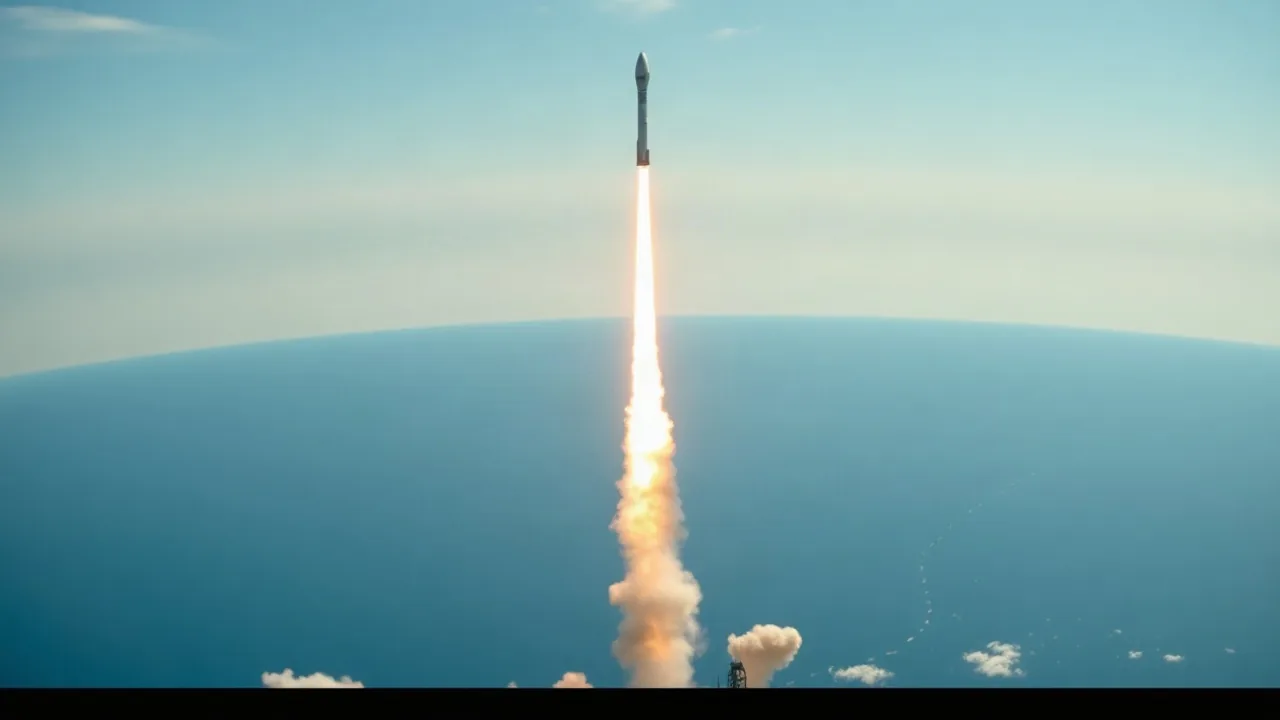
SpaceX achieved a major milestone on September 29, 2026, as its Starship rocket successfully reached low-Earth orbit for the first time. The experimental vehicle, launched from Starbase in Boca Chica, Texas, completed its primary objective of achieving orbital velocity, although the full mission duration was cut short as is typical for such test flights. This achievement represents a critical step forward in the development of SpaceX's fully reusable super heavy-lift launch system.
The success of this test flight is crucial for SpaceX's ambitious plans to revolutionize space travel, enabling missions to the Moon, Mars, and beyond. Reaching orbit demonstrates the rocket's capability to perform the complex maneuvers required for interplanetary journeys. While the exact cause for the early termination of the flight was not immediately detailed, the primary goal of achieving orbital insertion was met, according to company statements.
Starship's Orbital Debut and Future Implications
This orbital test is the culmination of years of development and numerous preceding test flights. Previous attempts focused on validating ascent capabilities, stage separation, and atmospheric re-entry. This latest flight, often referred to by enthusiasts and analysts as Starship Flight 14, was designed to push the envelope further by proving the vehicle's ability to sustain itself in orbit. The ability of SpaceX to achieve orbit is a strong indicator that the company is on track to meet its ambitious launch schedule for future missions, including the deployment of more Starlink satellites and eventual crewed voyages.
During the flight, telemetry data indicated that all systems performed nominally as Starship ascended. The Super Heavy booster successfully detached, and the Starship upper stage continued its journey. While specific details regarding the end-of-flight sequence were limited following the mission, the focus remains on the data gathered. This information will be invaluable for refining the rocket's design and operational procedures for future flights.
Elon Musk, the founder and CEO of SpaceX, has repeatedly emphasized the importance of reusability for making space exploration economically viable. Starship is designed to be fully reusable, capable of launching payloads and eventually people to distant destinations and returning to Earth for rapid refurbishment and relaunch. This test flight's success in reaching orbit is a significant de-risking event for the program, bringing the prospect of regular orbital launches and commercial lunar and Martian missions closer to reality.
The aerospace industry is closely watching the progress of Starship. Its development has the potential to dramatically reduce launch costs and increase access to space for both scientific research and commercial enterprises. Companies and space agencies worldwide are anticipating the full operational capability of Starship, which could usher in a new era of space exploration and utilization. The successful orbital flight is a powerful testament to the engineering prowess and relentless pursuit of innovation at SpaceX.