
SpaceX Starship V3: Heat Shield Inspection on Flight 12 Mission
SpaceX's Starship V3 is set for its 12th test flight on May 19, featuring an unprecedented heat shield self-inspection system using dummy Starlink satellites. The mission aims to gather crucial data for reusability.

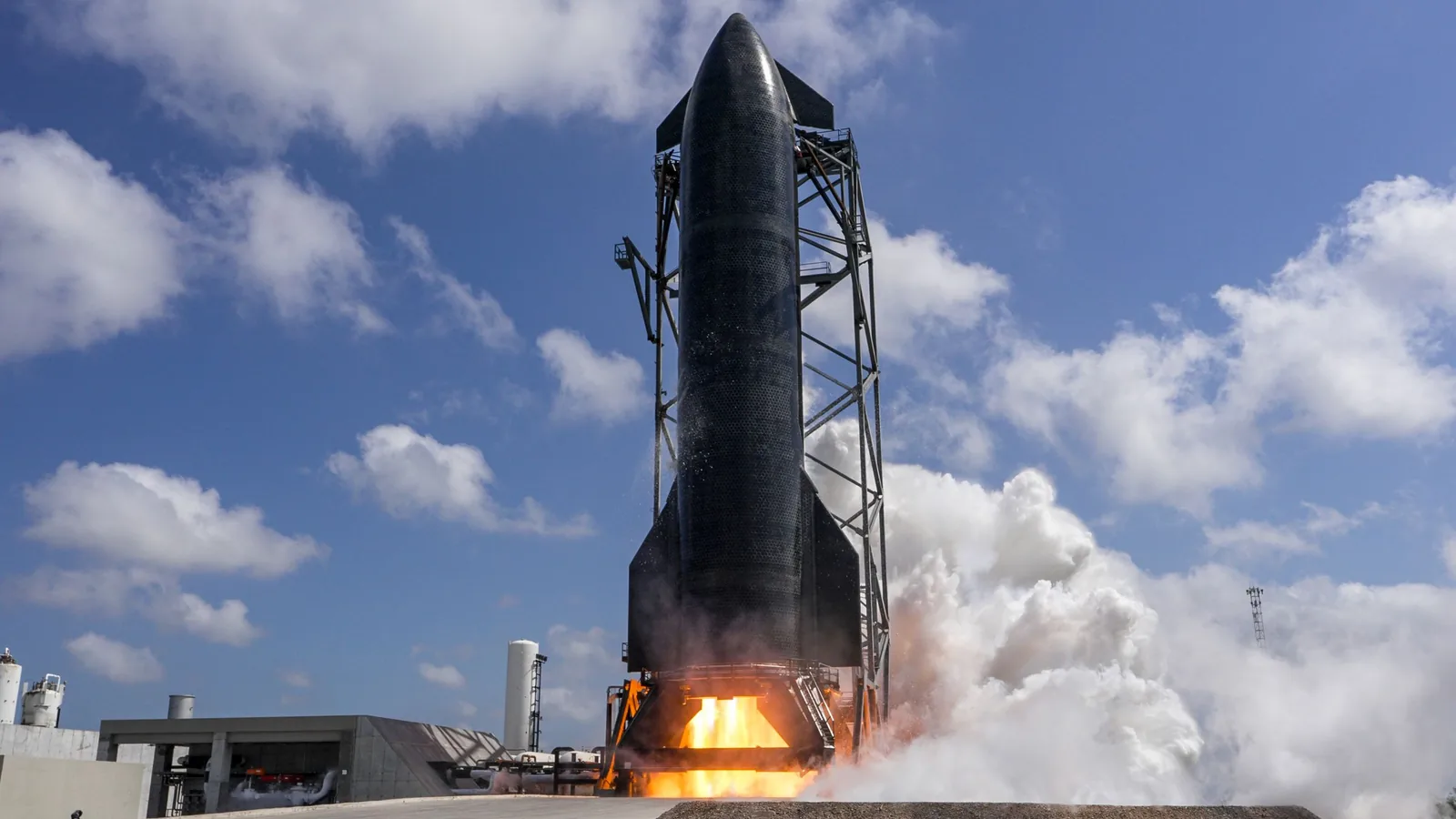
SpaceX is preparing for the 12th test flight of its Starship megarocket, scheduled for May 19. This mission marks the debut of the advanced V3 vehicle, incorporating significant upgrades. For the first time, the Starship upper stage, known as Ship, will deploy 22 dummy spacecraft designed to resemble next-generation Starlink satellites. This deployment is a critical step in testing SpaceX's ability to eventually build out its Starlink constellation.
A key innovation for Flight 12 involves two specialized inspector spacecraft within the dummy batch. These will closely examine Starship's heat shield, transmitting imagery to ground operators. The objective is to evaluate methods for assessing the heat shield's readiness for return-to-launch-site procedures on future missions. To facilitate this testing, several tiles on the Starship's heat shield have been painted white, simulating missing tiles and serving as distinct targets for the inspector spacecraft.
Assessing Heat Shield Reusability Challenges
The intense focus on the heat shield is unsurprising, given its critical role in protecting returning spacecraft during atmospheric reentry. This challenge is magnified for Starship, which is designed for rapid and complete reusability, aiming for multiple flights per day. In contrast, single-use heat shields, like the one on NASA's Orion capsule for the Artemis program, have different performance requirements.
SpaceX founder and CEO Elon Musk has identified the heat shield, composed of approximately 40,000 hexagonal tiles, as the primary obstacle to Starship's full operational capability. "The single biggest remaining problem for Starship? It's having the heat shield be reusable," Musk stated on the Dwarkesh Podcast in February. He elaborated that creating a reusable orbital heat shield has never been achieved, and it must withstand ascent without losing tiles while also enduring reentry without compromising the airframe.
While Starship's heat shield has successfully protected the vehicle during previous test flights, allowing for soft ocean splashdowns, significant improvements are necessary for SpaceX's ambitious reusability goals. Musk noted that previous flights resulted in substantial tile loss, necessitating extensive refurbishment, which is incompatible with a rapid turnaround model. "If you want to be able to land it, refill propellant and fly again, you can't do this laborious inspection of 40,000 tiles type of thing," he explained.
The upcoming Flight 12 mission will also see the first stage, the Super Heavy booster, perform a controlled splashdown in the Gulf of Mexico approximately seven minutes after liftoff. This will not involve the tower's "chopstick" arms catching the booster, a maneuver attempted in prior flights. The Starship upper stage is expected to splash down in the Indian Ocean about 65 minutes post-launch, following a familiar trajectory. However, the real-time, in-space views of the heat shield's performance during reentry will provide invaluable data, offering crucial insights into the vehicle's durability and the viability of SpaceX's reusability objectives.