
Venus, Jupiter, Mercury Align: Best Viewing Times in June 2026
A rare planetary alignment featuring Venus, Jupiter, and Mercury will grace the night sky in June 2026. The celestial event offers a unique opportunity for stargazers across North America.

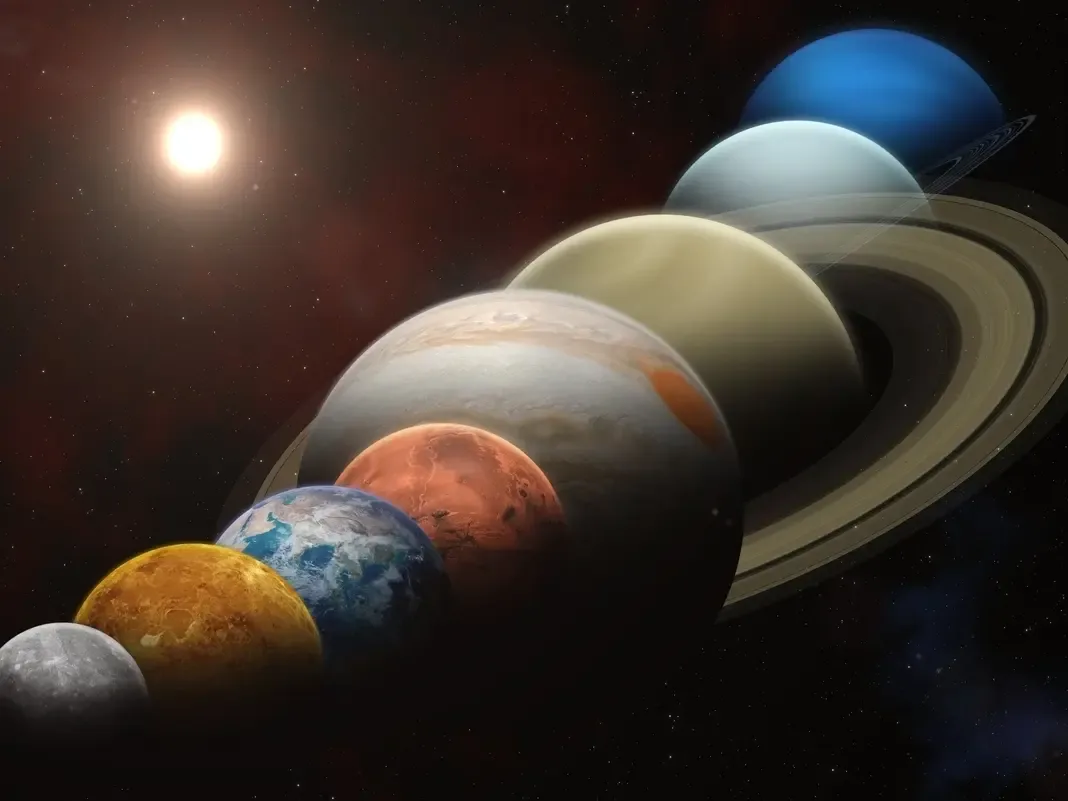
Stargazers across North America are in for a treat this week as a rare celestial event unfolds: a planetary alignment featuring Venus, Jupiter, and Mercury. This astronomical spectacle, which NASA notes will be visible after sunset, offers a prime opportunity to witness several of our solar system's planets appearing unusually close together in the sky.
The primary event begins around June 9, when Venus and Jupiter, two of the brightest planets observable from Earth, will converge in the western sky shortly after the sun dips below the horizon. This close proximity, known as a planetary conjunction, occurs when planets align in a way that makes them appear side-by-side from our vantage point on Earth. The visibility of this alignment is particularly good for observers in parts of the United States, Canada, Brazil, and Venezuela.
A Celestial Parade Continues
The planetary show doesn't end with just Venus and Jupiter. From June 11 through June 15, Mercury will join the dazzling display, creating what some are calling a "planet parade." This triple conjunction will be visible low on the western horizon each evening after sunset. While Venus is expected to be the easiest planet to spot due to its brightness, spotting Mercury may prove more challenging, requiring a clear, unobstructed view of the horizon.
Adding to the celestial wonders, the Moon will also make an appearance, seeming to pass close to Venus on June 17. In some fortunate locations, observers might even witness the Moon performing a lunar occultation, where it passes directly in front of the planet, temporarily obscuring it from view. NASA advises that looking west shortly after sunset will provide the best chances for optimal viewing of these planetary arrangements.
Planetary alignments like this one are more than just a beautiful sight; they offer a tangible connection to the vastness of the cosmos and the predictable, yet awe-inspiring, movements of celestial bodies. These events remind us of our place within the solar system and provide valuable opportunities for both amateur and professional astronomers to study planetary atmospheres and orbital dynamics. Observing such alignments can foster a greater appreciation for science and inspire future generations of explorers.