
Winter Weather Warning: Preparing for 2026 Extreme Conditions
The National Weather Service is warning of severe winter conditions across much of the U.S. in 2026. Learn critical preparedness steps for extreme cold, heavy snow, and hazardous ice.

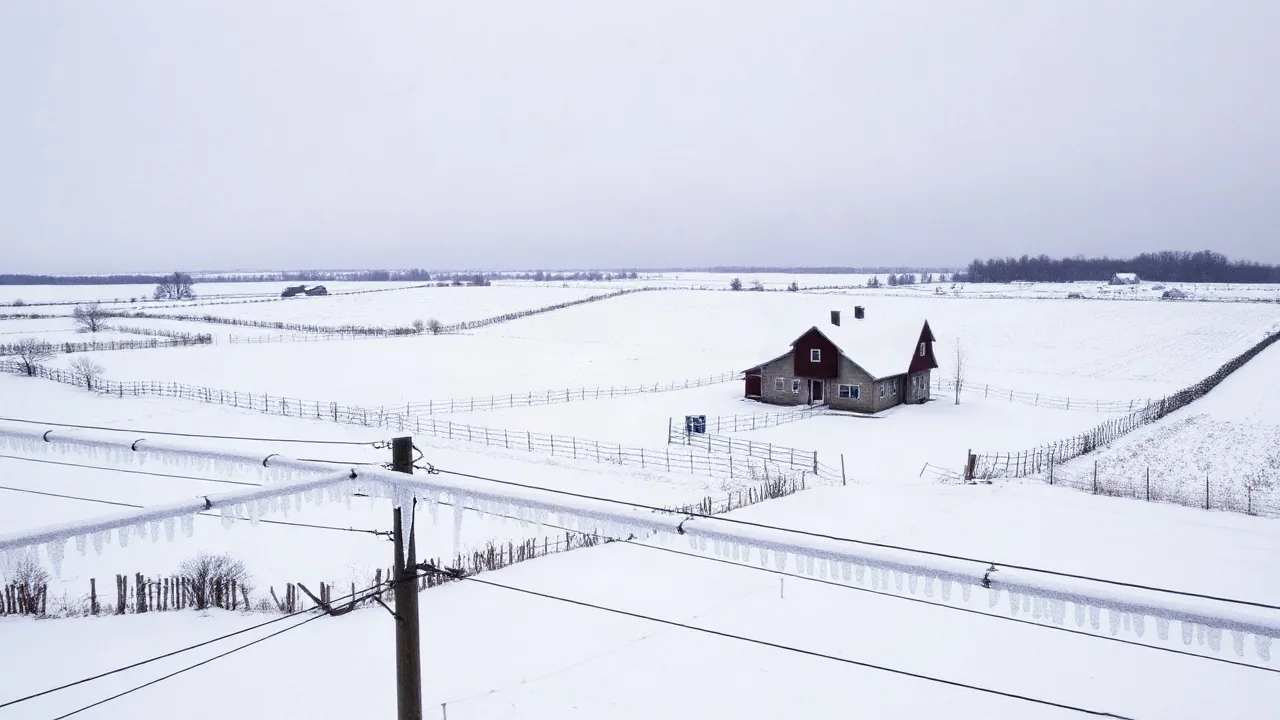
The National Weather Service issued multiple winter weather warnings across 14 states on September 4, 2026, signaling an unusually early onset of severe winter conditions this season. Meteorologists are pointing to atmospheric patterns that suggest a particularly harsh winter cycle, with temperature anomalies and precipitation forecasts tracking above historical averages for the 2026-2027 season.
Early warnings of this magnitude typically arrive in November or December, not early September. The timing reflects growing confidence in long-range models and a shift in how forecasters communicate risk to the public. "We're seeing a confluence of factors, including La Nina development and Arctic oscillation patterns, that strongly suggest this will be a challenging winter for much of North America," said Dr. Patricia Chen, lead meteorologist at the National Oceanic and Atmospheric Administration's Climate Prediction Center, in a statement released September 3, 2026.
Preparedness officials in states from Montana to Pennsylvania have already begun public awareness campaigns. The concern is not just magnitude of snow or cold, but the compounding effects of multiple storm systems and extended periods of subfreezing temperatures.
What the 2026 Forecast Shows
Current seasonal models indicate above-normal snowfall across the Great Lakes, Northeast, and Northern Plains through March 2027. The Climate Prediction Center projects December through February precipitation will run 110 to 130 percent of the 30-year normal in these regions. Cold temperature anomalies are forecast to persist, particularly in January and February.
The 2026 forecast also flags heightened risk for ice storms, which pose distinct hazards from heavy snow alone. Ice-laden power lines can fail under load, leaving communities without heat during peak cold periods. Infrastructure vulnerability remains a central concern for state emergency management agencies.
- December through February precipitation running 110-130 percent of normal across Great Lakes and Northeast
- Extended cold episodes expected January through early March
- Elevated risk of ice storms in the Mid-Atlantic and upper Midwest
- Reduced solar radiation and shortened daylight hours compounding cold stress
Modeling uncertainty remains significant at this range. Some ensemble members predict even more severe conditions, while others show near-normal patterns. The consensus, however, leans firmly toward above-normal severity.
Essential Winter Safety and Preparedness Steps
The Federal Emergency Management Agency and the American Red Cross have updated their weather preparedness guidance for 2026, emphasizing early action. Waiting until November or December to prepare significantly raises injury and mortality risk, especially for vulnerable populations.
Households should prioritize the following actions before October 31, 2026:
- Service heating systems and have chimneys inspected by licensed professionals
- Stock at least two weeks of non-perishable food, water, and medications
- Install or test backup power sources, including generators, with proper outdoor placement to prevent carbon monoxide poisoning
- Winterize vehicles with functioning batteries, coolant, and snow tires rated for extreme cold
- Ensure weatherproofing of doors, windows, and pipes vulnerable to freezing
- Charge portable batteries, flashlights, and emergency communication devices
Renters and those in apartments should communicate with landlords and building management immediately. Shared heating systems require coordinated maintenance, and individual preparedness may depend on collective action in multi-family buildings.
Communities with aging electrical grids and water infrastructure face compounded risk. Municipalitieslike Pittsburgh, Pennsylvania and Buffalo, New York have announced increased staffing for public works through March 2027 to manage snow removal and ice management on a sustained basis.
Why Natural Disasters and Climate Patterns Matter Now
Understanding the link between atmospheric conditions and severe natural disasters helps explain why forecasters sound alarms months in advance. Extreme weather events carry cascading effects: prolonged power outages, transportation disruptions, and medical emergencies concentrated in days when health systems are already strained.
Historical data from the 2013-2014 winter, which saw similar early warnings and above-normal snow across the Northeast and Midwest, documented over 2,000 cold-related deaths nationally and estimated economic losses exceeding $5 billion. That winter included multiple ice storms that crippled electricity delivery for weeks in some regions.
Vulnerable populations, including seniors living alone, people experiencing homelessness, and those without reliable housing, face the highest mortality risk during prolonged cold snaps. Community-level winter safety planning must include outreach to these groups before severe conditions arrive.
Corporate and industrial sectors are also mobilizing. Utilities are stockpiling repair materials and pre-positioning crews in high-risk zones. Major retailers have accelerated orders for generators, space heaters, and snow removal equipment, with some warning of inventory constraints by late October 2026.
The convergence of atmospheric science, infrastructure readiness, and public awareness represents the modern approach to weather preparedness. Early action, grounded in credible forecasts and historical precedent, remains the most effective strategy for reducing harm when severe winter arrives.