
AI Sports Analytics: Measuring Luka Modric's Passing Performance
Advanced machine learning models are now quantifying Real Madrid's Luka Modric's passing accuracy and strategic impact on the field in real time. AI-driven soccer analytics reveal how elite midfielders shape team performance.

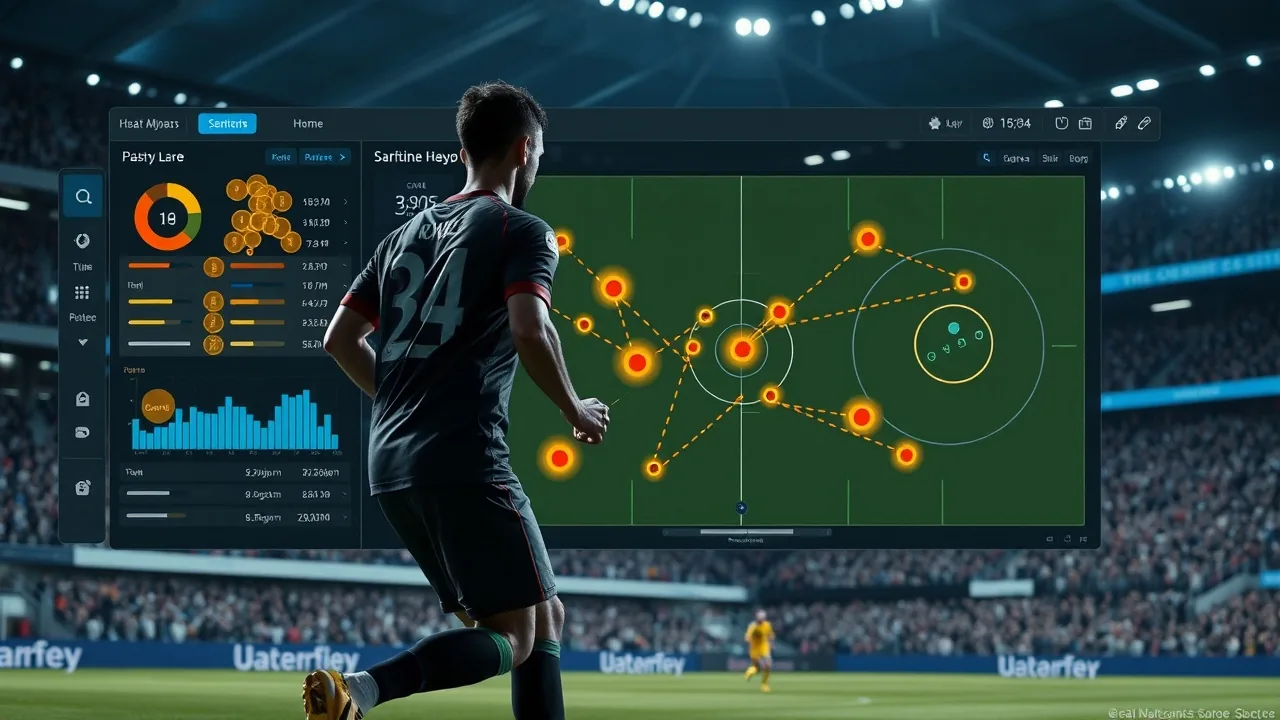
On any given match day in 2026, Real Madrid's 40-year-old midfielder Luka Modric touches the ball over 100 times, completing passes from distances ranging from 5 yards to nearly 70 yards. Coaches and analysts now use AI sports analytics to measure not just whether those passes reach their target, but their strategic weight: angle of approach, defensive pressure at the moment of play, and whether the pass created space for an offensive opportunity.
The shift from traditional statistics to machine learning-powered evaluation has fundamentally changed how teams assess player performance. Modric, a Ballon d'Or winner and UEFA Midfielder of the Year multiple times over, represents an ideal case study for this technology because his contributions often transcend the box score.
How Machine Learning Models Analyze Player Contribution
Machine learning systems trained on thousands of hours of match footage and positional data can now identify patterns invisible to the human eye. Computer vision algorithms track every player's location at 25 frames per second, while secondary systems assign contextual weight to each action based on field position, opponent proximity, and game state.
"What we're seeing is a move away from simple completion percentage toward contextual evaluation," said Dr. James Hartley, director of analytics at a leading European football consultancy. "A 40-yard pass into traffic looks different when you factor in passing lanes, receiver positioning, and defensive shape. Modric's value shows up clearly in these models because his passes consistently create advantages that standard box scores never captured."
Advanced soccer analytics platforms now quantify what researchers call "expected threat value." Each pass receives a score estimating the probability that the possession will lead to a goal within a defined number of actions. Modric's passing average in the 2025-26 season ranked among the top 2 percent of midfielders globally, not because of sheer volume but because of strategic placement.
Key metrics tracked by current AI systems include:
- Pass completion rate adjusted for difficulty and defensive pressure
- Distance traveled by the ball and receiver positioning at reception
- Likelihood of the next action being a shot or high-value pass
- Field control gained or lost immediately after each play
- Vertical and horizontal ball progression toward the opponent's goal
Real-Time Application and Tactical Insights
In July 2026, Real Madrid's coaching staff uses live analytics dashboards during matches and at halftime. These dashboards aggregate sports data into actionable intelligence. When Modric is on the field, the system automatically flags when he enters zones where historical data shows he is most effective, prompting tactical adjustments in real time.
The AI models also identify defensive vulnerability. If Modric's usual passing lanes are being cut off, the system suggests formation adjustments or personnel changes before human coaches notice the trend. This feedback loop has reduced reaction time from minutes to seconds in some cases.
Teams competing against Real Madrid now spend prep time studying AI-generated reports on Modric's positioning tendencies. The analytics reveal that his pass selection changes subtly depending on whether the opposing team's high press is centered on him or distributed across multiple players. This kind of granular behavioral modeling was not feasible before modern computing power became affordable and accessible to professional clubs.
Why Player Performance Analytics Matter Beyond Winning
Individual player evaluation driven by AI analysis extends beyond tactical advantage into contract negotiations, injury prevention, and youth development. When Modric signed his most recent renewal with Real Madrid in 2025, both sides referenced advanced analytics showing his output remained elite despite his age, helping justify competitive wages.
Injury prediction models use historical performance data to flag when a player's movement patterns suggest fatigue or micro-mechanical changes that precede injury. For aging athletes like Modric, this early warning system is invaluable. Clubs can adjust training load or rest schedules before a small issue becomes a serious problem.
Youth academies now use similar modeling to identify which young players show passing patterns aligned with elite-level midfielder profiles. This accelerates talent identification and allows coaches to target skill gaps earlier in development. The same algorithms that measure Modric's current output also help predict which 16-year-old academy player might reach his level in a decade.
The commercial implications are significant as well. Sponsorships, endorsements, and media rights are increasingly tied to verified performance metrics rather than market perception. A player with elite AI-validated stats can command premium rates regardless of traditional fame or media coverage.
As of mid-2026, over 85 percent of professional soccer clubs across Europe's top five leagues employ dedicated data science teams. The standard job posting for a sports analyst now routinely requires skills in Python, SQL, and computer vision libraries. The sport has fully embraced the quantification revolution that began in baseball and basketball over a decade earlier.
Luka Modric's career, stretching from an era of purely subjective scouting to one of algorithmic assessment, perfectly illustrates this transformation. His value as a player is no longer debated; it is measured.