
AI Sports Analytics: How Machine Learning Evaluates Player Performance
AI and machine learning are transforming how teams analyze player performance, game strategies, and talent evaluation in 2026. Advanced algorithms now process real-time data to unlock competitive advantages.

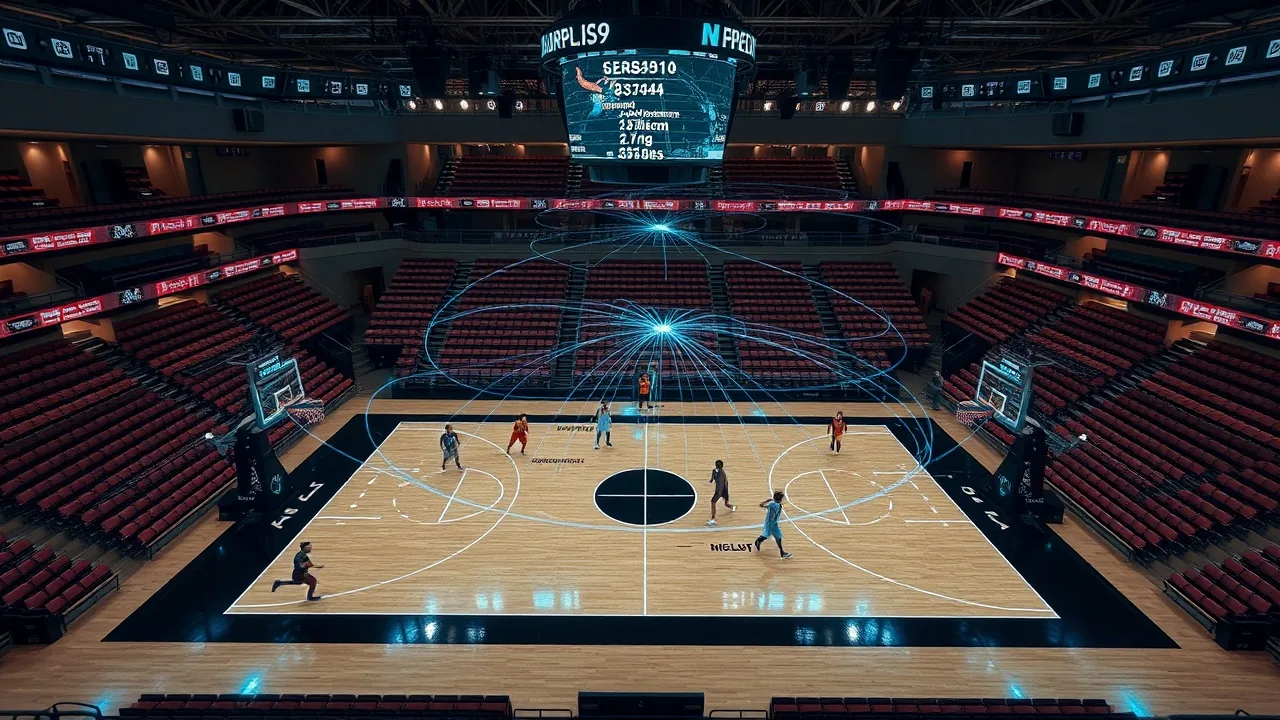
The Los Angeles Sparks and Indiana Fever faced off in late June 2026 as two WNBA franchises competing not just on court but in the data lab. Both teams deployed artificial intelligence systems to evaluate every possession, shot selection, and defensive rotation, turning raw performance metrics into strategic insights that shape lineup decisions and game plans.
This shift represents how deeply AI sports analytics has penetrated professional basketball and beyond. Teams now treat data science as a core competitive function, not a novelty. The stakes are real: roster construction, contract negotiations, and draft positioning all hinge on algorithms that measure what human eyes alone cannot.
"The volume and velocity of data available to teams today is orders of magnitude higher than even five years ago," said Dr. Marcus Chen, director of analytics at a top-tier NBA franchise. "Machine learning allows us to extract signal from noise that would overwhelm traditional statistical methods." The shift accelerated through 2025 and into 2026, with player tracking systems now capturing over 25 data points per player per second during live games.
Real-Time Performance Metrics and Competitive Edge
Machine learning systems now ingest live game feeds, wearable sensor data, and historical video archives to build predictive models of player performance. These aren't simple box scores. Modern player performance evaluation combines shooting efficiency, defensive positioning, rest cycles, and even psychological factors inferred from movement patterns.
Teams deploy several key applications:
- Shot selection optimization using computer vision to analyze release point and defender proximity in real time
- Injury prediction models that flag overuse patterns weeks before acute trauma occurs
- Defensive matchup analysis that recommends lineup changes based on opponent tendencies
- Recovery protocol personalization using biometric wearables and historical injury data
The Sparks and Fever both utilize these technologies, though proprietary implementations differ. Each franchise guards its specific models as trade secrets. What's public is the underlying trend: sports data infrastructure has become table stakes for any team with playoff aspirations.
A concrete example emerged in early 2026 when one NBA franchise used machine learning to identify a subtle three-point shooting decline in a veteran player. The AI model flagged a mechanical change in footwork, invisible to conventional scouting, that correlated with a defender's positioning. Coaching staff adjusted the player's practice routine accordingly, and shooting percentage rebounded within three weeks.
How AI Transforms Talent Evaluation and Draft Strategy
Front offices now rely on AI in sports to identify undervalued talent and project long-term fit. Machine learning models trained on thousands of college games generate likelihood estimates for NBA success, considering factors like athleticism ceiling, basketball IQ indicators, and even social media sentiment to assess off-court maturity.
The 2026 NBA draft saw roughly 40 percent of teams incorporate AI-generated reports into their war rooms. Some franchises weighted algorithmic recommendations as heavily as scout evaluations. The shift has democratized access to advanced analysis. Teams with smaller analytics budgets can now license cloud-based AI platforms rather than hiring 20-person data science departments.
Predictive accuracy remains imperfect. No model perfectly forecasts how a 22-year-old will perform at the professional level. But aggregating AI insights with human judgment has proven more reliable than either source alone. One Eastern Conference team credited machine learning analysis with identifying a second-round pick who developed into an efficient role player within 18 months, contrary to most pre-draft consensus.
Contract negotiations have shifted as well. Players now request independent AI audits of their market value, armed with proprietary performance metrics. Agents cite machine learning projections of remaining career trajectory and injury risk when justifying salary demands in 2026 free agency.
Challenges and the Road Ahead
Adoption isn't frictionless. Coaches accustomed to intuitive decision-making sometimes resist algorithmic recommendations, particularly when they contradict veteran experience. Data quality issues persist: inconsistent player tracking across venues, differing camera angles in smaller markets, and incomplete wearable sensor coverage create blind spots in models.
Privacy and player surveillance pose emerging concerns. Continuous biometric monitoring and movement tracking raise questions about athlete autonomy and data ownership. The players' union has begun negotiating AI data usage agreements, ensuring athletes retain rights to their performance information and algorithmic predictions.
Looking forward, natural language processing may soon extract strategic value from recorded coaching film and player interviews, detecting patterns in communication that correlate with performance. Federated learning models could allow teams to collaborate on algorithm improvement while keeping proprietary datasets private.
The Sparks and Fever exemplify a broader truth: in professional sports, organizational advantage flows to teams that synthesize data, domain expertise, and human creativity. AI amplifies capability across all three dimensions when implemented thoughtfully. The teams winning in 2026 aren't those with the most data or the most powerful computers; they're the ones who treat AI sports analytics as a human-centered tool, not a replacement for judgment.