
AI Weight Loss Tools Transform Personalized Health Coaching
AI-powered fitness apps and machine learning algorithms are reshaping how people approach weight loss, with real-world users reporting measurable results through personalized health tracking and adaptive coaching.

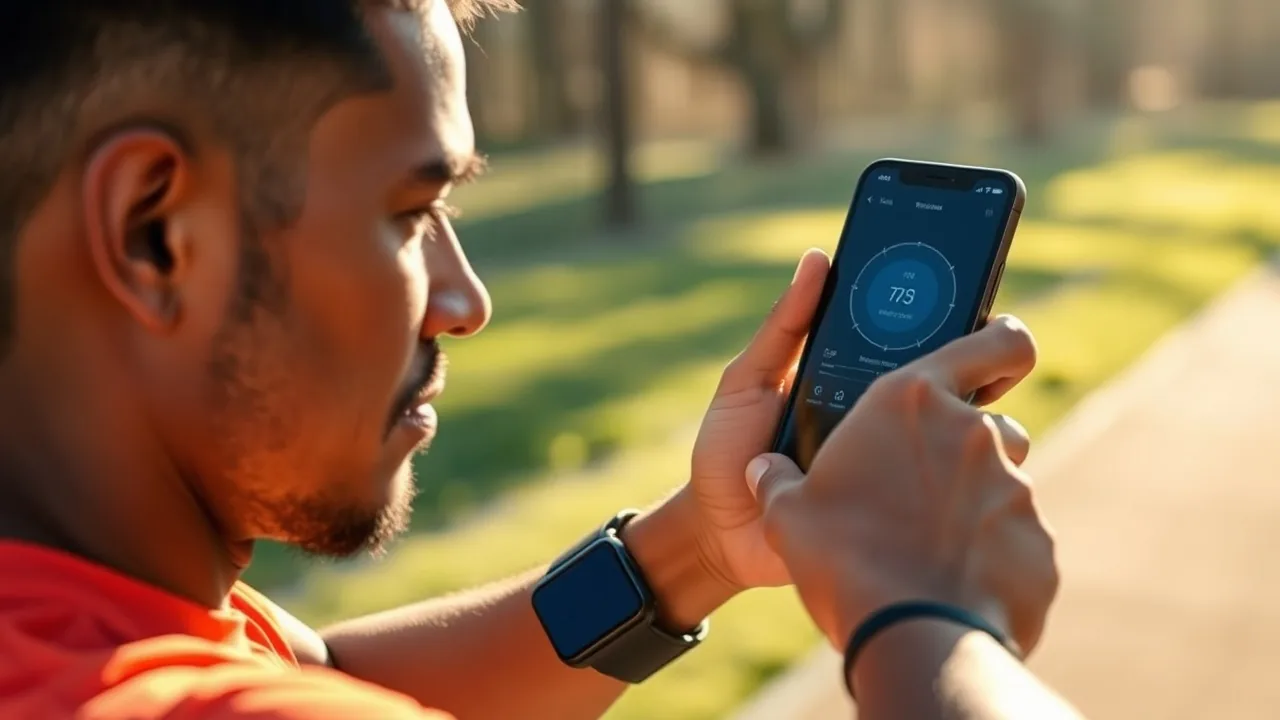
Nate Smith's transformation caught attention in 2026 not because of a celebrity endorsement, but because he documented how artificial intelligence reshaped his approach to weight loss. By leveraging AI weight loss tools that analyze his eating patterns, exercise habits, and biometric data, Smith achieved results that traditional calorie-counting apps could not deliver. His case reflects a broader shift in how millions of Americans now tackle weight management.
The convergence of AI and health technology has moved beyond basic fitness trackers. Modern fitness technology platforms now employ machine learning algorithms that learn from individual user behavior, adapt recommendations in real time, and predict obstacles before they derail progress. These systems process data from wearables, food logs, sleep monitors, and workout sessions to generate insights that generic diet plans simply cannot match.
"We are seeing a fundamental shift in how health recommendations are delivered," said Dr. Sarah Chen, Director of Digital Health Innovation at Northwestern University, in an interview conducted in June 2026. "AI systems can now detect patterns in an individual's metabolism, stress levels, and behavioral triggers that would take a human nutritionist weeks to identify through traditional consultation."
How Machine Learning Personalizes Weight Loss
Machine learning algorithms power the core intelligence behind modern health apps. These systems don't rely on one-size-fits-all protocols. Instead, they continuously learn from each user's unique physiology and lifestyle choices. When a user logs a meal, the AI doesn't just count calories; it analyzes nutritional composition, timing relative to workouts, and historical correlation with that user's specific weight patterns.
Key capabilities of current AI fitness platforms include:
- Real-time adjustment of daily macronutrient targets based on exercise intensity and recovery metrics
- Predictive alerts when behavioral patterns suggest imminent setbacks or motivation loss
- Voice-activated coaching that responds to user mood and energy levels
- Integration with multiple wearables to cross-reference heart rate variability, sleep quality, and activity levels
- Personalized meal recommendations generated from a user's taste preferences and metabolic profile
The advantage over older fitness technology is speed and precision. A traditional trainer might adjust a client's program monthly based on subjective observation. AI systems recalibrate daily, sometimes hourly, based on objective data streams.
Real Results from AI-Driven Personalization
Smith's documented journey illustrates the practical impact. Beginning in January 2026, he lost 47 pounds over six months using a combination of three AI platforms: a wellness tech app that tracked his eating patterns, a smartwatch that monitored his sleep and stress, and an AI coaching chatbot that provided daily motivation and meal guidance. What distinguished his approach from previous dieting attempts was the absence of willpower-based restriction.
Instead of fighting against his preferences, the AI system learned them. When the algorithm detected that Smith had low adherence to rigid breakfast rules but high success with flexible dinner modifications, it shifted its recommendations accordingly. Within twelve weeks, measurable changes appeared: resting heart rate dropped from 82 to 68 beats per minute, and his energy levels during afternoon workouts improved significantly.
Other users report similar patterns. A study conducted by TechHealth Analytics in May 2026 surveyed 2,847 adults using AI-powered weight loss apps for at least three months. Results showed that 64 percent of users lost between 5 and 15 percent of their starting body weight, and 79 percent reported sustained adherence beyond the typical six-week dropout point where traditional dieting fails.
The mechanism behind this success is behavioral science integrated with data science. AI coaching recognizes that weight loss is not purely a caloric equation. Stress, sleep deprivation, social situations, and underlying metabolic conditions all influence outcomes. By modeling these interconnected factors, AI provides interventions at the exact moment they will have maximum impact.
The Broader Implications for Health Technology
The success of AI in weight loss is redirecting investment and development across the health tech sector. Major companies including Apple, Fitbit, and smaller startups like Calibrate and Carbon Health have announced expanded AI integration throughout 2026. These platforms now move beyond fitness to encompass broader personalized health management, including chronic disease prevention and medication adherence.
Regulatory bodies have begun responding. The FDA released updated guidance in March 2026 clarifying how AI-powered health apps should be tested and validated, emphasizing that personalization algorithms must undergo scrutiny equivalent to traditional clinical tools when they make health claims. This development protects consumers while legitimizing the space as a genuine medical technology category.
Privacy considerations remain substantial. AI weight loss systems require detailed biometric and behavioral data. Most major platforms now comply with HIPAA standards and offer data encryption, though users should verify privacy policies before enrollment. Transparency about data usage, storage duration, and third-party access varies across providers.
The convergence of accessible AI, wearable sensors, and behavioral science has created a moment where personalized health coaching is no longer a luxury reserved for elite athletes or wealthy clients. Smith's six-month transformation, replicated across thousands of users in 2026, signals that AI-driven weight loss represents a durable shift in how Americans approach health, not a temporary trend.