
DC Fireworks 2026: How AI Powers Public Event Planning
Artificial intelligence now orchestrates crowd safety, logistics, and real-time decision-making at major public celebrations like Washington DC's July 4th fireworks display. New AI tools are reshaping how cities manage millions of visitors.

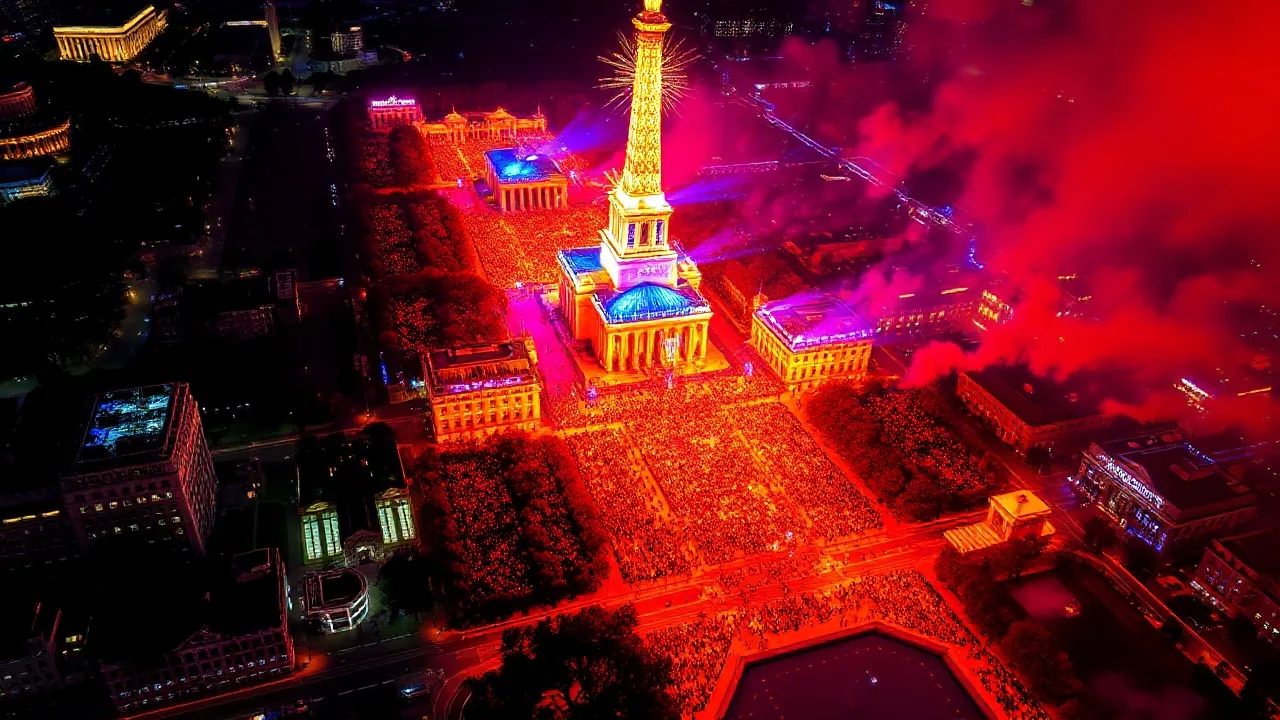
The National Mall in Washington, DC fills with nearly two million visitors each July 4th, and in 2026, artificial intelligence systems are now coordinating everything from pyrotechnic timing to emergency response. The District's event management team deployed machine learning models weeks before the holiday to predict crowd density, optimize traffic flow, and position medical resources at peak-density zones.
"We're using predictive analytics to understand where people will congregate in real time," said Sarah Chen, Director of Events for the DC Department of Parks and Recreation, in an interview this week. "AI allows us to make adjustments on the fly instead of relying on static plans from previous years."
AI public events management has accelerated significantly since 2024. Cities from Austin to Atlanta now integrate computer vision, crowd-counting algorithms, and sensor networks to handle large gatherings with minimal disruption. The 2026 DC fireworks event showcases this maturation at scale.
Real-Time Crowd Monitoring and Safety
DC's fireworks celebration relies on a network of 200-plus thermal and RGB cameras positioned across the Mall, feeding data to a central command hub. Machine learning models process this video stream to estimate crowd density, identify congestion points, and flag safety concerns. When a bottleneck forms near a bridge or intersection, traffic controllers receive immediate alerts.
The system also monitors for medical emergencies. AI-powered crowd analysis tools detect when someone falls or remains stationary in a moving crowd, triggering dispatch of paramedics to exact GPS coordinates. Officials estimate this capability reduces response time by 40 to 60 seconds compared to radio-based reports.
Emergency coordinators also rely on predictive heat maps. By analyzing historical foot traffic data from 15 previous years, plus real-time sensor input, the AI forecasts which zones will reach dangerous density levels and recommends barrier placement or access restrictions. DC's 2026 event plan includes three new holding areas identified purely through this algorithmic analysis.
Logistics, Scheduling, and Public Engagement
Behind the scenes, event technology coordinates hundreds of contractors, vendors, and city staff. AI scheduling systems optimize arrival times for fireworks barges, stage setup, and cleanup crews to avoid conflicts and idle periods. A machine learning model trained on five years of DC event data predicts how long each task actually takes, reducing guess work.
The public engagement layer uses natural language processing to monitor social media. Sentiment analysis flags misinformation spreading about event times, locations, or road closures. The city's official accounts receive AI-suggested responses to common questions, cutting customer service response time in half.
Mobile apps now push personalized recommendations. If a user indicates they're attending with children, the app suggests less-crowded viewing zones, nearby restrooms, and optimal entry times. The underlying public engagement algorithms learn from user feedback and adjust suggestions in real time.
Why Cities Are Adopting AI Event Tools Now
The shift toward AI-driven event management stems from both capacity and liability pressures. The DC Metro area population has grown 8 percent since 2010, yet the July 4th attendance has remained stable or grown. Without AI optimization, the risk of overcrowding, traffic gridlock, or medical delays increases annually.
Vendors like Crowd Dynamics, SafeZone, and Palantir have released specialized products targeting municipal events over the past 18 months. Prices range from $50,000 to $500,000 per event, depending on city size and feature scope. DC's 2026 budget allocated $280,000 for safety protocols and AI monitoring systems.
Insurance and legal teams also drive adoption. If an injury occurs at a city-managed event, demonstrating that the city used available technology to prevent it mitigates liability. Most large US cities now treat AI event management as a baseline due diligence measure.
The technology is not without limitations. AI models trained on historical data can perpetuate historical biases in crowd management or resource allocation. DC's team explicitly audited their models for geographic and demographic skew, adjusting algorithms to ensure equitable service across all neighborhoods and visitor demographics.
Looking ahead, DC officials plan to expand AI integration to other large gatherings, including the Cherry Blossom Festival in spring 2027 and New Year's Eve celebrations at the Lincoln Memorial. Early results from the 2026 July 4th event will inform those efforts and shape how other US cities approach 2026 celebrations and beyond.