
Google Gemini to Power Future Mobile, Desktop Apps; AI Studio Canceled
Google has canceled the planned AI Studio app for Android and iOS, redirecting efforts to integrate app creation capabilities directly into the Gemini AI chatbot. This move aims to let users build applications through everyday conversations with Gemini.

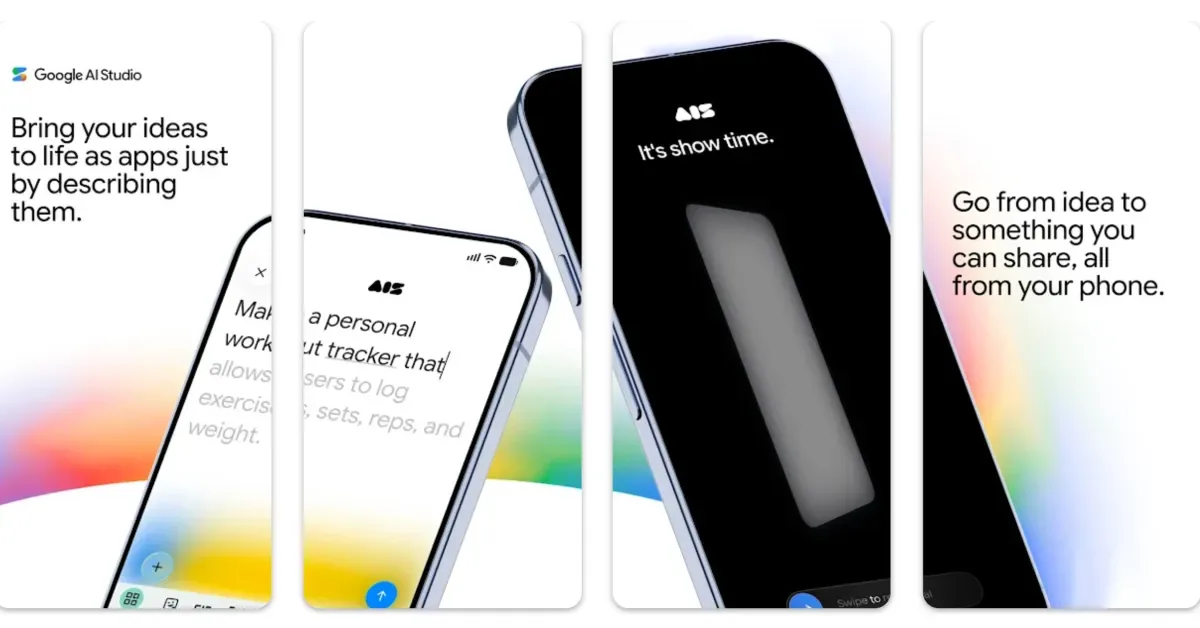
Google has officially canceled its planned AI Studio mobile application for Android and iOS, a move that signals a significant shift in the company's strategy for on-the-go AI development. Instead of a standalone app, Google intends to deeply integrate app creation features directly into the Gemini chatbot, allowing users to conceptualize and build applications through natural language conversations on both mobile and desktop platforms. The initial AI Studio app was designed to enable users to "capture an idea on the go and have a working prototype ready by the time you get to your desk," serving as a mobile alternative to the existing aistudio.google.com web interface.
The announcement comes after a strong initial response, with over 800,000 users pre-ordering the AI Studio app on Google Play and the App Store, indicating a clear demand for tools that facilitate mobile software development. However, a statement from the AI Studio team revealed the change in direction: "instead of asking you to download yet another app we’ve decided to take an entirely different approach: one where apps emerge naturally, in the course of your everyday conversations with Gemini." The company is now focusing on a partnership with the Gemini app team to realize this vision.
Future of App Creation with Gemini
While the standalone AI Studio mobile app will not be released, development on the AI Studio website will continue. This platform will cater to users who prefer to transition from an initial idea to a fully developed prompt and potentially a business solution. The mobile app listings have already been removed from app stores, and Google has stated that more details regarding the availability of the integrated app creation features within Gemini will be shared later. The development teams are reportedly working diligently to bring this new functionality to life.
This strategic pivot suggests a future where generative AI interfaces become more conversational and integrated into daily workflows. The potential implications for mobile application development are substantial. For instance, a user interested in starting a garden but lacking knowledge could hypothetically instruct Gemini to create a dedicated gardening assistant app. Such an application might include educational modules on plant care, a planting log, and timely reminders for watering and weeding, potentially organized with user-friendly tabs.
While features akin to this are already achievable through technologies like Gemini Canvas and Progressive Web Apps (PWAs), a native application experience, particularly on the Android platform, could offer enhanced performance, deeper system integration, and a more seamless user experience. This approach aligns with the broader trend of large language models evolving beyond simple chatbots into comprehensive productivity tools capable of generating functional software based on user prompts.
The decision reflects Google's ongoing efforts to consolidate its AI offerings and streamline user interaction with its advanced artificial intelligence models. By embedding app-building capabilities directly into Gemini, Google aims to lower the barrier to entry for aspiring developers and empower a wider range of users to create custom digital tools without extensive coding knowledge. The success of this integrated approach will likely depend on the intuitiveness of the conversational interface and the sophistication of the generated applications.