
Proton Lumo Desktop Privacy AI Assistant Launches on Windows and Mac
Proton has released Lumo Desktop for Windows, macOS, and Linux, providing a privacy-focused AI assistant that handles local tasks and file integrations.

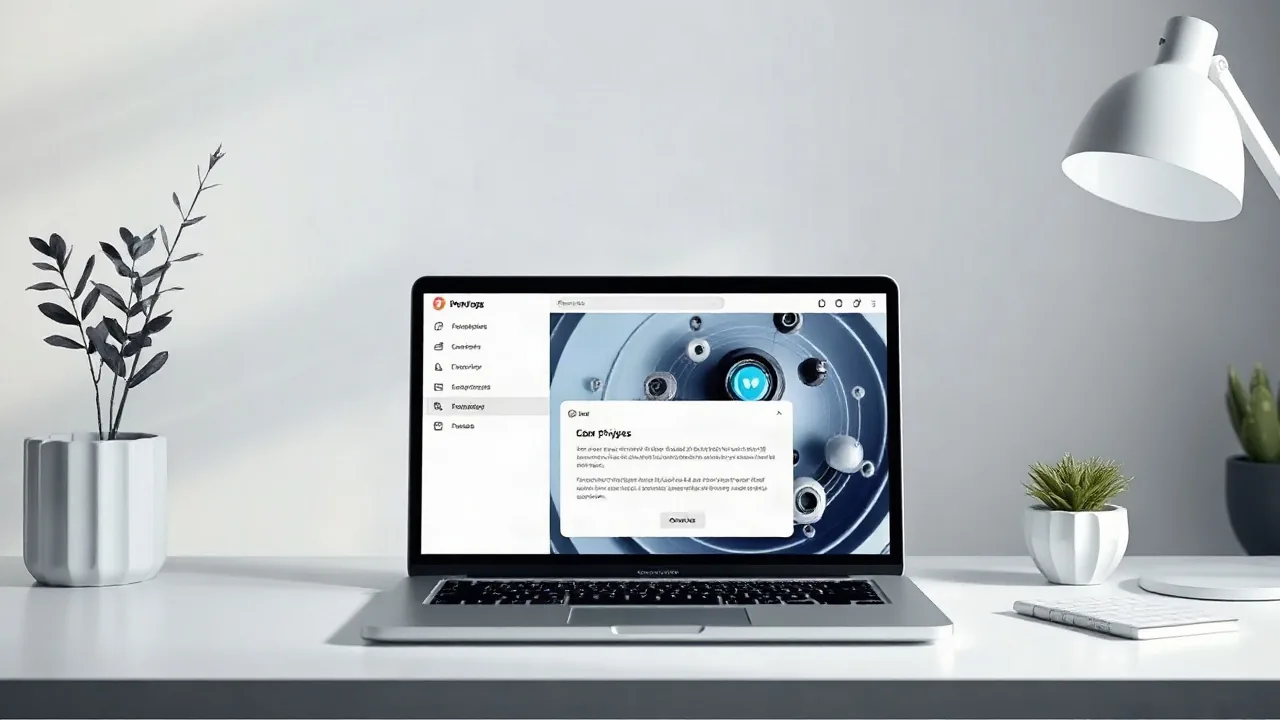
On Tuesday, Proton expanded its privacy-first ecosystem by launching Lumo Desktop for Windows, macOS, and Linux. The new application brings its AI assistant directly to personal computers, giving users the ability to execute local tasks involving connected apps, personal files, and various automated workflows.
The release arrives as consumer artificial intelligence shifts toward AI agents capable of performing active duties on a user's behalf. While major players like OpenAI and Anthropic offer similar desktop tools, those platforms often raise data security concerns. Apple recently addressed these issues by tightening security settings for applications requesting Full Disk Access. Proton positions Lumo Desktop as a secure alternative, granting users granular control over what information the software can access.
Connectors, Security, and Infrastructure
Lumo Desktop includes multiple connectors supporting local tools such as file-system access, shell execution, and browser content fetching. It also integrates with Proton's email app, alongside third-party platforms like Confluence, Dropbox, and Jira. Furthermore, the connectors support local and remote Model Context Protocol servers.
Users can configure permissions for each connector, determining whether actions execute automatically, require explicit approval, or remain blocked entirely. Proton states that chat history is secured using encryption so that only the user can read it, with no server-side logs kept. Data stored by the company falls under Swiss privacy law on European infrastructure, outside the reach of the U.S. CLOUD Act. Additionally, the company has deployed its first Nvidia B300 cluster built on Open Compute Project standards in Switzerland, while also supporting a Skills feature for saving instructions and templates across conversations.