
Christian Eriksen's Cardiology Breakthrough and Sports Medicine Recovery
Danish footballer Christian Eriksen's return to elite competition after cardiac arrest showcases how biotech and modern sports medicine enabled his remarkable recovery. His case illustrates advances in patient monitoring and rehabilitation technology.

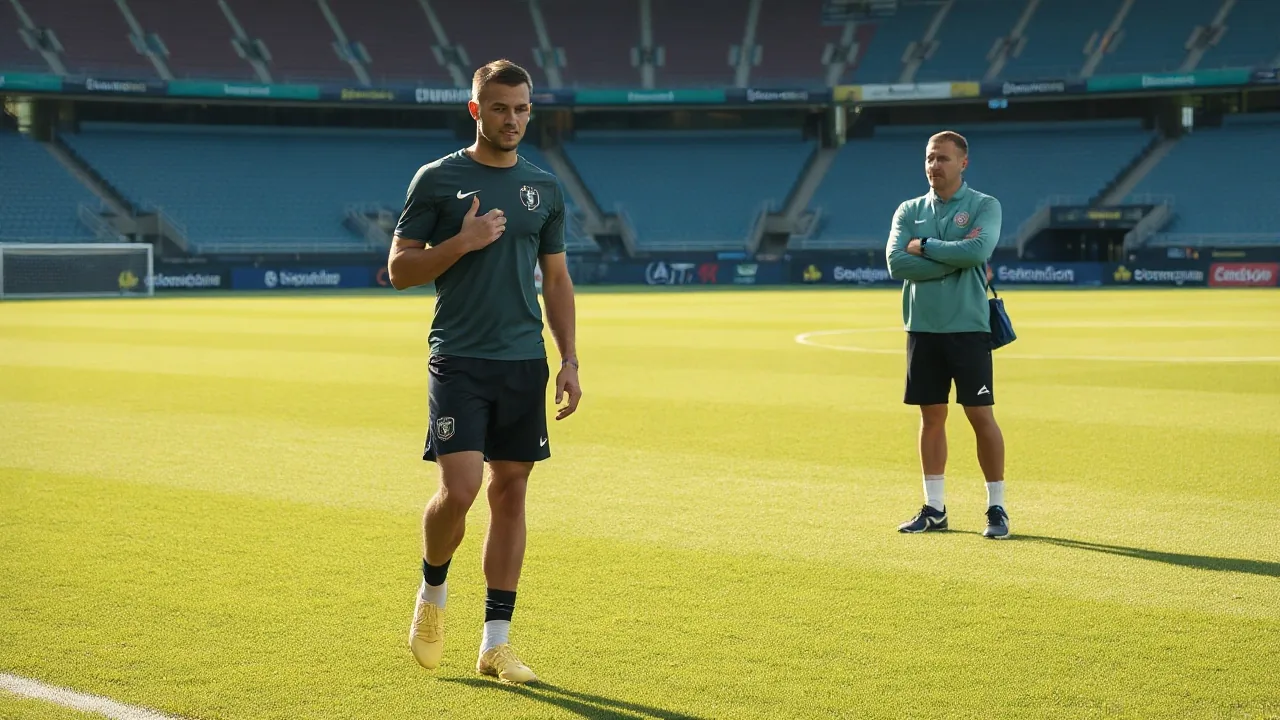
Christian Eriksen collapsed on the pitch during Euro 2020 in June 2021, his heart stopping during play. Medical staff revived him within minutes. The incident shocked the sports world and raised urgent questions about athlete safety and cardiac screening.
Eriksen's subsequent recovery and return to professional football represents a watershed moment for sports medicine and cardiac care. By June 2026, he has played multiple seasons at the highest level since his collapse, defying initial medical prognosis that his career might be over.
The Cardiac Arrest and Immediate Response
On June 12, 2021, during Denmark's opening match against Finland at Euro 2020 in Copenhagen, Eriksen suffered sudden cardiac arrest in the 42nd minute. He collapsed without contact with another player. Medical personnel applied CPR and defibrillation on the field within seconds, restoring his heart rhythm before emergency transport.
The speed of response proved critical. Dr. Morten Boesen, the Danish national team physician, later stated that immediate defibrillation and CPR directly enabled Eriksen's survival. The incident demonstrated the life-saving value of on-field medical preparedness and automated external defibrillators at major sporting events.
Eriksen remained in hospital for several days undergoing extensive cardiac testing. Doctors discovered he had suffered sudden unexpected nocturnal death syndrome, a rare condition affecting heart rhythm. The diagnosis required implantation of an implantable cardioverter-defibrillator (ICD), a device roughly the size of a matchbox that monitors heart rhythm and delivers electric shocks if needed.
Biotech and Monitoring Innovation in Recovery
The ICD device Eriksen received represents cutting-edge healthtech. Modern ICDs use wireless connectivity and cloud-based data transmission, allowing cardiologists to monitor patient heart rhythms remotely. This continuous surveillance proved essential during Eriksen's rehabilitation phase.
His care team utilized wearable sensors and real-time biometric monitoring throughout his recovery. These devices tracked heart rate variability, oxygen saturation, and electrical activity 24/7, providing immediate alerts if arrhythmias emerged during training or competition. Such technology was not widely deployed in professional football even five years prior.
Sports medicine physicians worked alongside cardiologists to design a gradual return-to-play protocol. The process involved:
- Baseline cardiac function testing through echocardiography and stress testing
- Progressive exercise tolerance evaluation across 8 to 12 weeks
- Sport-specific training under continuous device monitoring
- Psychological assessment and counseling
- Regular MRI and advanced imaging to assess myocardial scarring
This evidence-based approach reflected advancements in medical breakthroughs in sudden cardiac death prevention. Eriksen's case became a reference point for how athletes with ICDs could safely return to elite sport, contradicting older assumptions that device implantation meant career termination.
Return to Professional Play and Long-Term Outcomes
By March 2022, less than nine months after his collapse, Eriksen made his competitive return for Brentford FC in the English Premier League. The timeline shocked many in the medical community, though his team's careful progression made the feat possible.
Between 2022 and 2026, Eriksen completed four full seasons at the highest level of professional football. He transferred to Manchester United in 2023 and has maintained consistent performance metrics. His case provided clinicians with unprecedented data on athlete recovery following sudden cardiac arrest in a young, elite performer.
"Christian's return demonstrates that with modern cardiac devices, appropriate medical support, and psychological resilience, high-level athletes can safely compete following serious cardiac events," noted Dr. Aaron Baggish, director of the Boston Marathon Medical Team and Harvard cardiologist, in a 2024 sports cardiology symposium.
Research published in medical journals between 2023 and 2026 analyzed outcomes from similar cases worldwide. Studies showed that properly selected athletes with ICDs faced acceptable risk profiles when managed by multidisciplinary teams combining cardiology, sports medicine, and psychology expertise.
The financial and organizational investment in Eriksen's care also underscored evolving priorities in professional sports. Clubs now budget for advanced cardiac monitoring, dedicated sports cardiologists, and extended rehabilitation timelines. Insurance models have shifted to accommodate athletes returning after serious events.
Implications for Sports Safety Infrastructure
Eriksen's collapse and recovery accelerated adoption of on-field defibrillators and cardiac emergency protocols across European football leagues. By 2024, virtually every professional stadium in Denmark, England, and Germany had multiple AED units positioned for immediate access, with trained personnel stationed during matches.
Youth sports organizations also expanded cardiac screening programs. Pre-participation screening using ECGs became standard at many academies by 2025, allowing identification of inherited arrhythmia conditions before athletes suffered collapses. This preventive approach aims to identify at-risk individuals before cardiac events occur.
The Eriksen case contributed to growing recognition that sudden cardiac death remains a leading cause of sudden death in young athletes, claiming an estimated 1 in 50,000 to 1 in 80,000 annually across sports populations. Better screening and emergency response infrastructure directly saves lives.
Eriksen's visible recovery also reduced stigma around athletes living with cardiac conditions and device implants. His continued excellence at the sport's elite level demonstrated that cardiac disease need not end athletic careers when managed with modern medical technology and evidence-based protocols.