
Contagious Cancer Spreads Among North American Catfish
A novel contagious cancer has been identified in North American catfish populations. This marks a significant discovery in wildlife disease and ecological health.

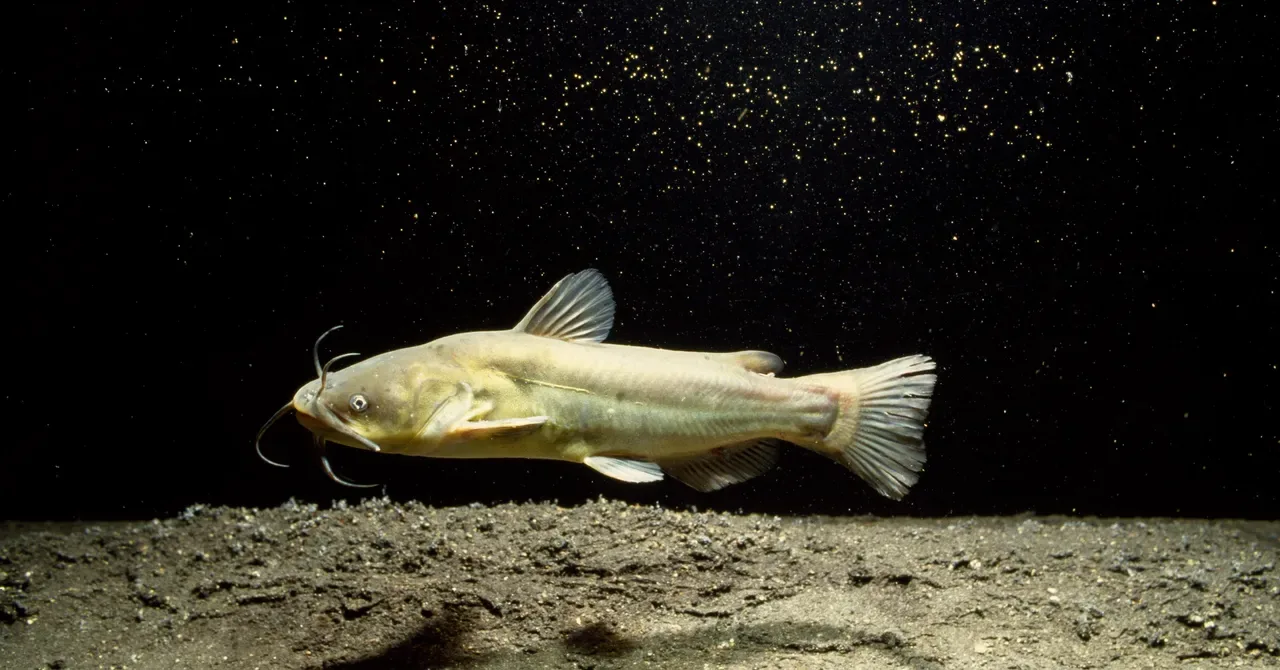
Scientists have identified a novel form of contagious cancer spreading among North American catfish, raising concerns about the health of aquatic ecosystems. The disease, a type of epitheliotropic alimentary canal lymphosarcoma, was first detected in channel catfish (Ictalurus punctatus) in the United States and has since been observed in other catfish species across the continent. This discovery marks the first instance of a contagious cancer being documented in wild fish populations in North America, presenting new challenges for conservation and wildlife management.
The cancer affects the alimentary canal and skin of the fish, causing visible tumors and lesions that can impair feeding and mobility. Unlike most cancers, which arise from genetic mutations within an individual, this particular form appears to be transmissible between fish, likely through direct contact or environmental exposure to infected cells. Researchers are still working to understand the exact mechanisms of transmission and the pathogen responsible, though early indications suggest it may be a viral or cellular agent.
Ecological and Health Implications
The emergence of contagious cancers in wildlife is a growing area of scientific concern. In marine mammals, the Tasmanian devil facial tumor disease has served as a stark warning of how such diseases can decimate populations. The identification of a similar phenomenon in freshwater fish like catfish highlights the need for comprehensive monitoring of aquatic animal health. Catfish are a crucial part of many North American freshwater food webs, serving as both predators and prey. Their decline due to disease could have cascading effects on other species and the overall health of rivers and lakes.
Dr. Mark Stoye, a lead researcher on the project from the U.S. Geological Survey, stated, "This finding is significant because it suggests that a transmissible cancer can emerge and spread within a wild fish population. We need to understand how this contagion works to assess the long-term risk to North American fisheries." The research team is conducting further genetic and molecular analyses to pinpoint the exact cause and transmission routes of the cancer.
The study, published in the journal 'Veterinary Pathology', analyzed samples from catfish exhibiting unusual growths. The team employed advanced genomic sequencing and histological examinations to confirm the cancerous nature of the lesions and their potential for transmission. This detailed investigation has provided crucial insights into the pathology of the disease and its unique contagious properties, distinguishing it from non-contagious tumors.
Beyond the immediate impact on catfish, the discovery prompts broader questions about the susceptibility of wildlife to novel pathogens and diseases, especially in environments altered by human activity, such as pollution or climate change. As aquatic environments face increasing stress, understanding these emergent diseases becomes paramount for effective conservation strategies. The ongoing research aims to develop diagnostic tools and potential intervention methods to help manage the spread of this contagious cancer and protect vulnerable fish populations across the United States and Canada.