
Gatorade Recall 2026: What Athletes and Consumers Should Know
A recent Gatorade product recall raises concerns about contamination and safety in sports beverages. Here's what affected consumers need to do and how to stay informed.

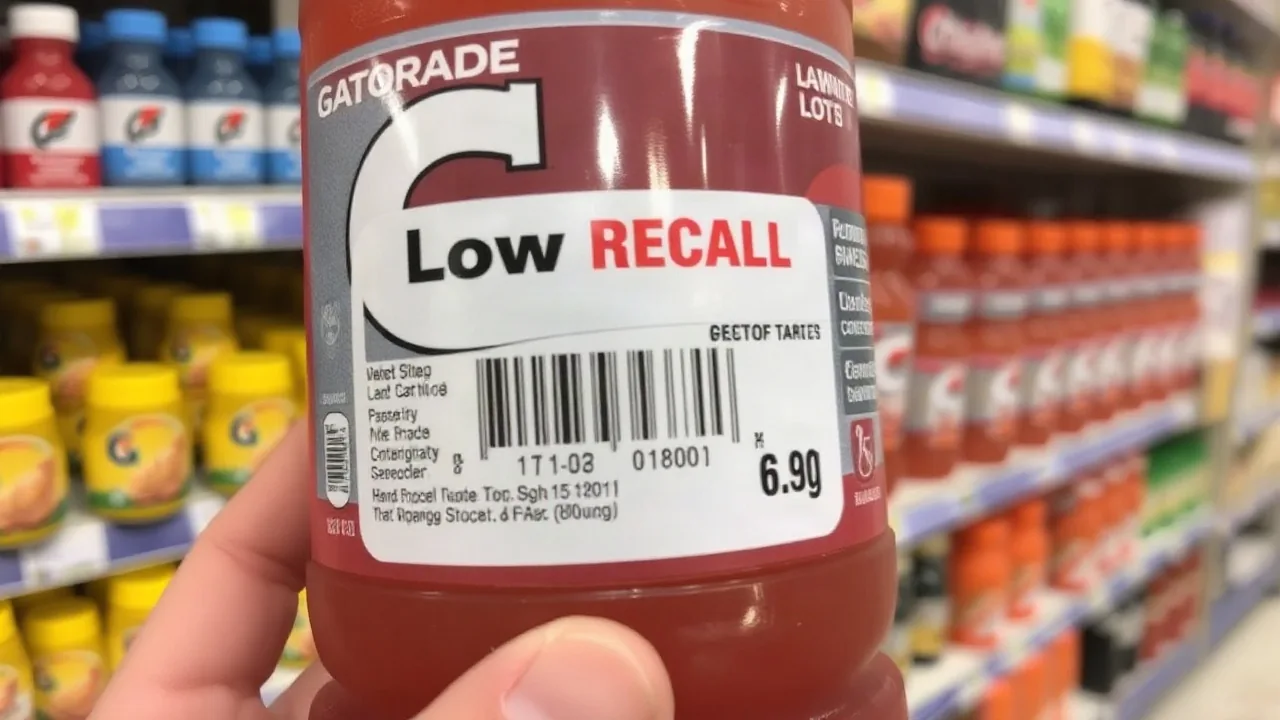
PepsiCo announced a voluntary Gatorade recall in October 2026 affecting specific batches of sports drink sold across the United States, prompting immediate action from the FDA and retailers nationwide. The recall centers on potential contamination discovered during routine quality testing, affecting an estimated 2.3 million units distributed between August and September 2026.
The affected products include select flavors of Gatorade Thirst Quencher in 20-ounce plastic bottles and multipacks, identifiable by lot codes beginning with "L8" and "L9" printed on the bottle neck. Consumers should check their purchases immediately; the company has established a dedicated hotline at 1-800-884-2345 for product verification.
Dr. Sarah Chen, a sports nutritionist at the American College of Sports Medicine, emphasized the importance of swift action: "Product recalls in the sports nutrition category demand consumer vigilance because these beverages are often consumed by athletes and active individuals who may be more susceptible to gastrointestinal complications."
Details of the Contamination and Health Risks
Testing revealed traces of mold metabolites in a small percentage of the recalled batches, originating from a single production facility in New Jersey. While PepsiCo stated that no illnesses have been confirmed as of early October 2026, the precautionary recall reflects established product recall protocols designed to prevent potential harm.
Mold-related contaminants can pose particular risks to individuals with mold allergies, compromised immune systems, or underlying respiratory conditions. Symptoms of exposure may include nausea, headache, or allergic reactions ranging from mild to severe depending on individual sensitivity and consumption volume.
The contamination was traced to moisture control issues in the production line, a problem PepsiCo claims has since been corrected and verified by independent auditors. The company conducted additional testing on 10,000 units from the affected facility and found no further contamination.
Consumer Response and Retail Impact
Major retailers including Walmart, Target, CVS, and Walgreens began removing affected inventory from shelves within 48 hours of the announcement. Store associates were instructed to inspect lot codes and assist customers seeking refunds or replacements without receipt requirements through October 31, 2026.
The recall affects consumer alerts systems across multiple state health departments, with information distributed through FDA channels, retailer websites, and social media platforms. The American Beverage Association released a statement reaffirming industry commitment to health safety standards in beverage production.
Consumer impact extends beyond refunds. Gym chains and sports facilities reported increased inquiries about alternative hydration options, with some universities and high schools temporarily substituting competing brands during the recall period. Market analysts project the incident could cost PepsiCo up to $50 million in direct and indirect expenses, including recall logistics, consumer compensation, and brand reputation management.
Online forums and social media groups dedicated to fitness and sports hydration filled with user discussions about the recall. Some consumers reported difficulty locating alternate electrolyte beverages as demand temporarily spiked for competing products, including Powerade, Body Armor, and coconut water alternatives.
Navigating Safety Protocols and Seeking Recourse
Consumers holding recalled products should not attempt to consume them. PepsiCo offered three options: dispose of the product safely, exchange it at the point of purchase, or request reimbursement by visiting gatorade.com/recall or calling the dedicated recall line with proof of purchase or lot code information.
The FDA maintains a public database of recalls and safety alerts, with updates posted in real time. Consumers can register email notifications through the agency's subscription service to receive alerts about future product safety issues in sports and energy beverages.
Industry experts note that this recall underscores the importance of checking lot codes before consumption, particularly for shelf-stable beverages. The FDA recommends that consumers store contact information for products they regularly purchase and periodically review recall notices, especially during peak athletic seasons when sports beverage consumption increases.
PepsiCo has committed to enhanced quality assurance measures, including more frequent environmental testing and additional moisture monitoring equipment at all production facilities manufacturing Gatorade products. The company stated that it anticipates resuming full production within 14 days and returning affected products to shelves by late October 2026 after verification testing is complete.