
Plastic Waste Transformed Into Edible Cookies by Scientists
Researchers have developed a method to convert plastic waste and agricultural byproducts into nutritious, edible food slurries, leading to the creation of cookies. The innovation aims to provide food in resource-limited environments, including space.

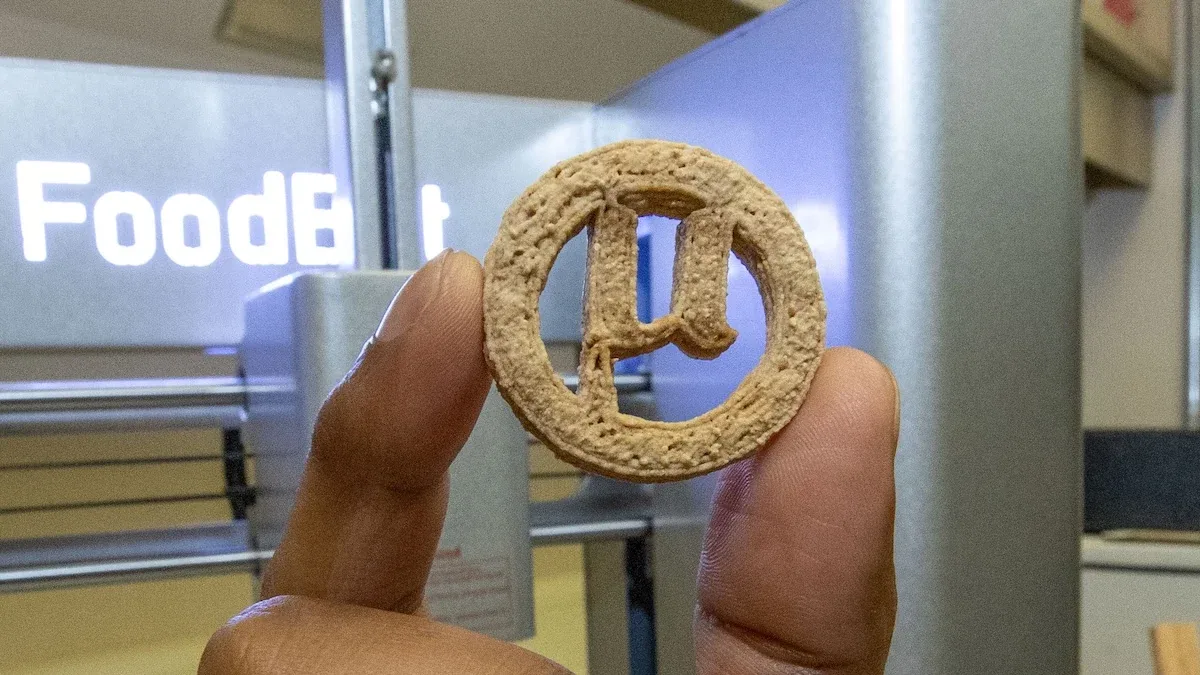
Scientists at Southern Illinois University (SIU) Carbondale have developed a groundbreaking method to transform recycled plastic waste and agricultural byproducts into edible food, demonstrated by the creation of cookies dubbed 'µBites'. This innovative process could offer a sustainable food source for extreme environments, from disaster relief zones to potential future space missions.
The research, which began as part of NASA's Deep Space Food Challenge, was recently presented at a symposium by the American Chemical Society. The core of the technology involves a process called oxidative hydrothermal dissolution, where PET plastic and agricultural waste are subjected to intense heat and pressure with oxygen and water. This breaks down the materials into their fundamental carbon building blocks, forming a liquid feedstock.
This feedstock is then consumed by specially engineered yeast strains. These microorganisms convert the carbon material into nutritious food slurries rich in proteins, lipids, and vitamins. Researchers have further refined the process by engineering yeast to produce specific flavorings, aromas, and colorings, such as vanillin for vanilla scent and beta-carotene for color and vitamin A.
The resulting nutrient-rich dough is then processed using a 3D food printer to create desired shapes. For their proof of concept, the team printed and then microwaved the dough into cookie form. "Converting (biodegradable) food-grade plastic into food is feasible," stated Lahiru Jayakody, a microbiologist at SIU. "The µBites system is a tunable and portable device that integrates all necessary components… These units could be deployed in submarines or disaster relief vehicles to produce on-demand, on-site food."
From Plastic Waste to Protein Slurry
The potential applications for this technology extend far beyond just cookies. The food ingredients produced can be utilized to create a variety of food products, including milk and meat alternatives. The team is also exploring its use in animal feed manufacturing. The process is particularly promising for utilizing carbon waste in challenging environments such as deserts, the Arctic, or the Antarctic, and ultimately, potentially for sustaining life on Mars or the lunar surface.
Plastic waste remains a significant global challenge, with much of it ending up in landfills despite recyclability. This new method offers a pathway to upcycle plastic, turning a persistent pollutant into a valuable resource. Previous research has explored converting plastic waste into materials, fuels, and even medicines, adding edible sustenance to this growing list.
While the 'µBites' cookies have not yet been taste-tested by humans, pending comprehensive safety analyses, initial sensory tests suggest they have an appealing aroma and texture. "We have comprehensively analyzed the food products we created in the lab, as well as through accredited third-party laboratories, to ensure µBites cookies are free from toxic chemicals, heavy metals, allergens, and food pathogens," Jayakody assured. "We are conducting simulated digestive studies and other necessary analyses in preparation for human trials.".
The current system can convert over 50 percent of carbon from waste materials into food products within one to two days. The SIU team aims to optimize this conversion rate to nearly 100 percent in future iterations by recirculating unconverted carbon. While designed for a zero-waste concept, about 10 percent of the carbon material may be released as waste gas or remain unconverted. A significant hurdle remains in adapting the technology for use in microgravity conditions for space missions, but its terrestrial applications are already substantial.