
Space Fungi Pose Growing Health Risks for Astronauts
Researchers have identified fungi thriving in spacecraft environments that could endanger astronaut health during long-duration missions. New studies reveal contamination rates and mitigation strategies.

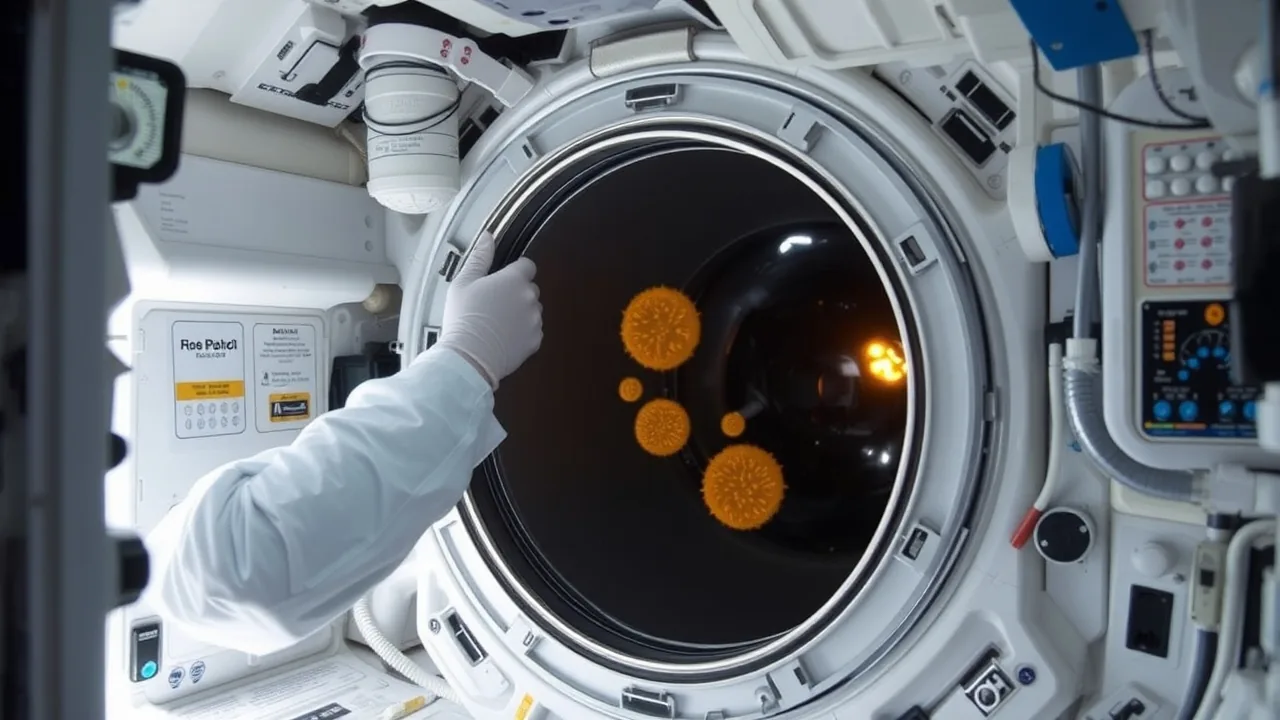
A Delta flight returning from the International Space Station last week carried more than exhausted crew members and scientific samples - it brought renewed focus on a quiet but serious threat to human spaceflight: microbial contamination. Recent findings on fungi colonizing spacecraft interiors have prompted NASA and international space agencies to reassess health protocols for missions lasting months or years in orbit.
The discovery of active fungal colonies in the ISS environment represents a significant concern for long-duration spaceflight. Unlike Earth-based facilities, spacecraft present unique conditions - microgravity, recycled air, sealed compartments, and limited cleaning protocols - that may accelerate fungal growth and create health hazards for crews in close quarters.
Dr. Kasthuri Venkateswaran, a microbiologist at NASA's Jet Propulsion Laboratory, has documented multiple fungal species aboard the ISS over the past decade. "We've identified Aspergillus, Penicillium, and Candida species in various locations within the station," Venkateswaran noted in recent research published in the International Journal of Astrobiology. "The concern isn't just contamination - it's whether these organisms pose respiratory or systemic health risks to crews isolated in space."
The Fungal Threat in Microgravity
Fungi thrive in warm, humid environments with poor air circulation. Spacecraft share most of these traits. The ISS maintains cabin temperatures between 18-24 degrees Celsius and relies on active water recycling systems that create moisture-rich pockets in equipment bays and air ducts.
Studies conducted between 2014 and 2023 documented fungal growth on interior surfaces, ventilation grilles, and water reclamation equipment. In one analysis of swab samples from the ISS, researchers identified fungal DNA in 31 percent of tested locations. The species found include common terrestrial fungi capable of producing spores that, when inhaled in microgravity, may behave differently than in normal gravitational conditions.
Astronaut safety protocols currently include routine surface cleaning and air filtration, but these measures were designed before the extent of fungal colonization became clear. Spacecraft air filters operate at high efficiency for particulate matter but may not capture all fungal spores or volatile organic compounds produced by active colonies.
The health implications remain partially unknown. While most identified fungi are opportunistic pathogens - meaning they pose minimal risk to healthy individuals on Earth - the stresses of spaceflight alter immune function. Radiation exposure, microgravity deconditioning, and psychological stress suppress immune responses in astronauts. A fungal species benign at ground level could become pathogenic during a six-month mission.
New Detection Methods and Mission Planning
Microbiology teams are developing faster detection systems for future spacecraft. Real-time fungal monitoring devices using DNA sequencing technology are being tested for the next generation of long-duration vehicles designed for lunar and Martian missions.
NASA's proposed habitat modules for the Artemis program - which aims to establish a sustained human presence on the Moon by 2030 - incorporate improved air handling systems and antimicrobial coatings. These upgrades cost additional millions but directly address lessons learned from ISS operations.
Engineers are also redesigning water systems and ventilation ducts to minimize condensation and stagnant zones where fungi establish colonies. Materials engineers at the European Space Agency have tested copper-silver ion coating applications that inhibit fungal growth without generating hazardous chemical byproducts in sealed environments.
The crew selection process for extended missions is beginning to incorporate fungal sensitivity screening. Astronauts with history of allergic responses to mold or fungal exposure now undergo additional baseline immunological testing before assignment to long-duration flights.
Implications for Deep Space Exploration
As human spaceflight extends beyond low Earth orbit, space health challenges become more critical. A crewed mission to Mars lasting 2-3 years cannot rely on resupply missions or emergency return options available near Earth. Every aspect of crew health, including microbial threats, must be controlled or managed with on-board resources alone.
Dr. Adrija Bajaj, chief medical officer for deep space exploration at the Johnson Space Center, stated in an interview this month: "Fungal contamination might seem minor compared to radiation or bone loss, but it's a controllable variable that we must address before committing crews to multi-year missions. The cost of prevention now is far less than the cost of treating a serious infection on a spacecraft millions of miles from Earth."
Current research suggests that establishing stringent sterilization protocols and monitoring systems will prevent fungal outbreaks in vehicles designed for deep space exploration. However, complete sterilization remains impractical - some microbes are virtually impossible to eliminate from large, complex structures.
The focus has shifted toward medtech solutions: portable diagnostic equipment capable of identifying fungal infections in astronauts and pharmaceutical options for treating infections during mission operations. Pharmaceutical companies are developing antifungal medications effective in microgravity and stable without refrigeration for extended storage.
The fungal contamination issue illustrates a broader reality of advanced human spaceflight: success requires integrating multiple disciplines - microbiology, materials science, medicine, and engineering - into a cohesive system. As spaceflight programs expand beyond government agencies to include commercial operators, establishing universal standards for microbial monitoring and contamination control becomes increasingly urgent.
The Delta flight last week returned crew members in good health, but the samples it brought back will contribute to ongoing research into fungal behavior in space and methods to protect future explorers. The work is unglamorous and unnoticed by most observers, yet it stands between astronauts and invisible threats that could transform a historic mission into a medical emergency.