
iPhone Security: Data Protection Features in 2026
Apple's 2026 iPhones introduce advanced encryption and biometric safeguards, but users must actively configure privacy settings to block emerging threats targeting mobile data.

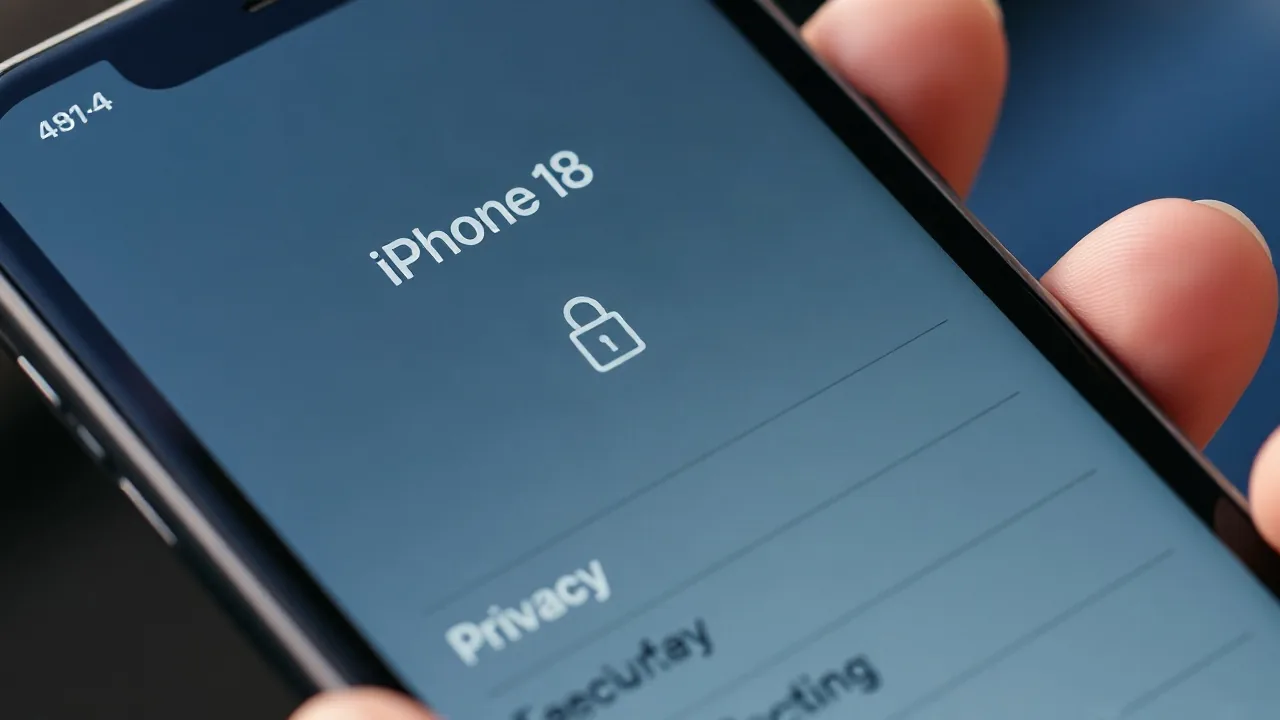
Apple released its iPhone 18 line in September 2026 with enhanced encryption protocols designed to withstand quantum computing threats, marking a significant shift in how the company approaches long-term data security. The new models introduce post-quantum cryptography standards that protect stored data against theoretical attacks that could emerge over the next decade, a move that signals growing concern within the industry about future vulnerability windows.
The 2026 iPhone lineup features an upgraded Secure Enclave processor that isolates sensitive operations from the main processor, making it harder for malware to capture authentication credentials or financial information. Apple's security engineering team has also expanded biometric authentication beyond Face ID and Touch ID, adding behavioral pattern recognition that flags unusual device access patterns in real time.
"We're seeing a fundamental shift in how device manufacturers think about security," said Dr. Maria Chen, senior threat researcher at the Cybersecurity Institute of North America. "The challenge in 2026 is not just protecting data at rest, but detecting sophisticated attacks that arrive through app ecosystems and cloud services that users trust implicitly."
New Privacy Controls and Hidden Vulnerabilities
iOS 18, released alongside the iPhone 18 hardware, introduces granular app permission revocation that lets users grant temporary access to location, camera, and microphone features. Users can now set expiration dates on app permissions, forcing applications to request access again after a set period. This addresses a common complaint from privacy advocates who noted that many users never review permissions after initial installation.
However, security researchers have identified gaps in Apple's approach to data protection across iCloud services. Several enterprise clients reported in August 2026 that photos uploaded to iCloud Photos were being indexed by on-device machine learning models without explicit consent settings, raising questions about the company's interpretation of user privacy during automated sync processes.
The iOS security posture has also been complicated by the proliferation of sideloading apps in the European Union. Apple now allows alternative app stores in EU-regulated devices, and this has created a secondary attack surface that many users do not fully understand. Apps distributed outside the official App Store receive less rigorous security review, and they can exploit looser sandbox restrictions.
- Advanced app sandboxing with real-time permission monitoring
- Temporary access tokens for sensitive device features
- On-device encryption for Messages and FaceTime audio streams
- Automatic clearing of cached credentials after 24 hours of disuse
- Quarterly security updates (previously released monthly) with extended testing cycles
Practical Steps for Users in 2026
Cybersecurity experts recommend several concrete actions that iPhone owners should take immediately. First, enable the new Lockdown Mode feature, which is now accessible through Settings > Privacy & Security. This mode restricts JavaScript execution in Safari, disables certain sharing features, and requires manual approval for FaceTime calls from unknown contacts.
Second, review all active app subscriptions and permissions through the dedicated App Privacy Report in Settings. iOS 18 now displays which apps have accessed sensitive data in the past 24 hours, the past 7 days, and the past 30 days. Many users discover that background app refresh has been enabled for applications they haven't used in months.
Third, configure iCloud Keychain to use a strong passphrase rather than relying solely on the six-digit recovery key option. Apple offers an extended recovery contact feature that allows trusted family members to regain access if the primary user forgets their credentials, but this must be set up in advance through Family Sharing settings.
Users should also activate the new Automatic Security Notifications feature, which sends alerts when an unauthorized device attempts to log into the Apple ID account from an unfamiliar location. During the 2026 fiscal year, Apple reported a 34 percent increase in attempted account takeovers targeting high-profile users and business executives, many of which were caught by these notification systems before damage occurred.
Persistent Challenges in iPhone iPhone security
Despite improvements, iPhone users remain vulnerable to phishing attacks that exploit trust in the Apple ecosystem. Security researchers at VirusLabs documented 47 phishing campaigns in Q2 2026 that impersonated Apple Support and directed users to fake credential entry pages. These attacks succeed because they arrive through legitimate email accounts and SMS messages, contexts where iOS does not yet provide robust warning systems.
Zero-day vulnerabilities continue to pose problems even for the most security-conscious users. In July 2026, researchers discovered a memory corruption bug in the WebKit rendering engine that could allow attackers to escape the Safari sandbox through malicious websites. Apple released a patch within 48 hours, but the vulnerability highlighted that even well-resourced companies face ongoing challenges in securing complex software.
Another persistent issue involves password manager security. Users often store sensitive information like banking credentials and cryptocurrency wallet passphrases in apps that are themselves vulnerable. Apple's native Keychain system has improved, but third-party password managers installed through the App Store operate under iOS sandbox restrictions that sometimes prevent secure credential autofill in certain applications.
The most critical action users can take is establishing a regular security maintenance routine. Check for iOS updates every two weeks, review app permissions monthly, and enable two-factor authentication on all accounts linked to the Apple ID. These habits, combined with iPhone's native security architecture, provide robust protection against the majority of current and foreseeable threats.