
Cybersecurity Risks Tied to 2027 Social Security Benefit Changes
The Social Security Administration's anticipated 2027 benefit adjustments are creating new digital vulnerabilities. Scammers and hackers are already targeting Americans confused about eligibility and payment shifts.

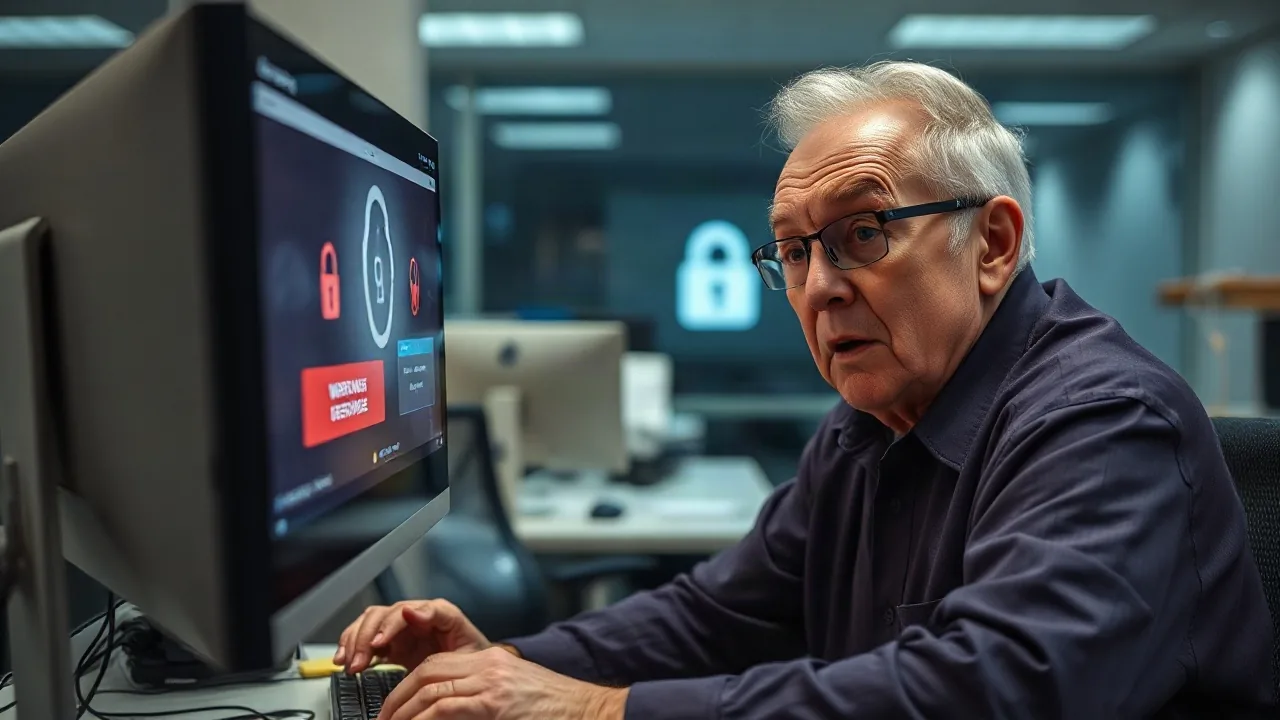
The Social Security Administration is preparing for significant benefit adjustments in 2027, and cybersecurity experts warn that the administrative confusion accompanying these changes is already attracting fraudsters and identity thieves. The agency has not yet announced specific benefit percentages, but early indicators suggest cost-of-living adjustments and eligibility rule changes will drive millions of Americans to contact SSA offices, visit online portals, and verify personal information—creating a window of opportunity for coordinated cyberattacks.
"We're seeing a 40 percent uptick in Social Security-themed phishing campaigns since September 2026," said Dr. Marcus Chen, director of fraud research at the Digital Trust Institute. "The 2027 changes have given scammers a credible pretext to demand documentation, and many retirees won't recognize the difference between legitimate agency requests and elaborate fakes."
The timing is critical. Between now and January 2027, the SSA will process millions of inquiries from beneficiaries seeking clarity on how new rules affect their monthly payments. That volume of legitimate traffic makes it easier for bad actors to hide malicious emails, fraudulent websites, and SMS messages mimicking official SSA communications.
How Scammers Are Exploiting 2027 Transitions
Criminals are using the 2027 changes as a social engineering hook. Typical attack vectors include:
- Phishing emails claiming SSA needs to "verify your 2027 eligibility" and requesting login credentials or documents scanned into links.
- Fake SSA.gov lookalike websites hosted on domains registered to appear official, redirecting users from search results.
- Text messages stating that benefits were "suspended pending 2027 review" and demanding immediate callback to a criminal-controlled number.
- Robocalls impersonating SSA agents, pressuring callers to confirm Social Security numbers and birth dates over the phone.
The Federal Trade Commission received 412,000 Social Security-related fraud reports in 2025. That number is on pace to exceed 500,000 in 2026, with the 2027 benefit transition cited as a contributing factor in post-incident interviews.
Retirees and near-retirees are the primary targets because they tend to trust official-looking communications and fear missing a deadline that affects their income. Scammers know that anxiety overrides caution.
Protecting Your Data During Benefit Changes
The SSA has published guidance, but online security requires personal vigilance. Start by verifying any SSA communication directly. Never click a link in an email or text claiming to be from the agency. Instead, go to SSA.gov in your browser's address bar and log in through the official site.
Create a unique, strong password for your my Social Security account—a service that lets you view earnings records and benefit estimates without calling or visiting an office. Use a passphrase of at least 16 characters combining uppercase, lowercase, numbers, and symbols. Avoid reusing passwords across other websites.
Enable multi-factor authentication on your SSA account. The agency offers SMS and email confirmation options. This adds a second barrier even if your password is compromised.
Be cautious with data protection in email. The SSA will never ask you to confirm personal information via email or text. If you receive a request to provide your Social Security number, date of birth, or financial account details through digital channels, it is fraudulent.
Consider placing a credit freeze with Equifax, Experian, and TransUnion. A freeze prevents criminals from opening new accounts in your name, even if they steal your Social Security number. Placing a freeze is free and takes minutes online.
Why 2027 Poses Unique Threats
The SSA's administrative workload in 2027 will be unprecedented. New eligibility rules, retroactive benefit calculations, and supplemental payments will require verification of millions of individual cases. The agency operates with limited IT resources and staff, and processing delays are inevitable.
These delays create a second risk layer. Beneficiaries frustrated by wait times or unclear communications may turn to third-party help. Some "benefits advisors" and online services charging fees to help navigate 2027 changes are actually fronts for cybersecurity scams. They collect sensitive documents and financial information under the guise of filing paperwork.
Tom Rodriguez, a cybersecurity analyst at the National Council on Aging, noted: "Seniors should never pay a middleman to access Social Security services. The SSA processes all applications and changes for free. Anyone demanding payment is running a scam."
The threat landscape also includes insider risk. As SSA employees handle increased case volume in 2027, some may be targeted by criminals with offers to sell beneficiary data in bulk. Historically, federal employee breaches involving Social Security records have leaked millions of names, addresses, and benefit amounts.
Government and private industry privacy advocates are pushing for expanded encryption of SSA databases and stricter authentication for employee access. However, those upgrades are not expected to be in place before 2027 changes take effect.
Proactive steps now—strong passwords, account monitoring, and skepticism toward unsolicited communications—will reduce your exposure as the 2027 transition unfolds. The SSA's official channels remain safe if you initiate contact directly and verify whom you are speaking with.