
Travis Kelce's EV Choice Signals Athlete Shift to Electric Vehicles
NFL star Travis Kelce's adoption of electric vehicles reflects a broader trend among professional athletes choosing sustainable transport. The shift underscores how high-profile figures influence future mobility adoption.

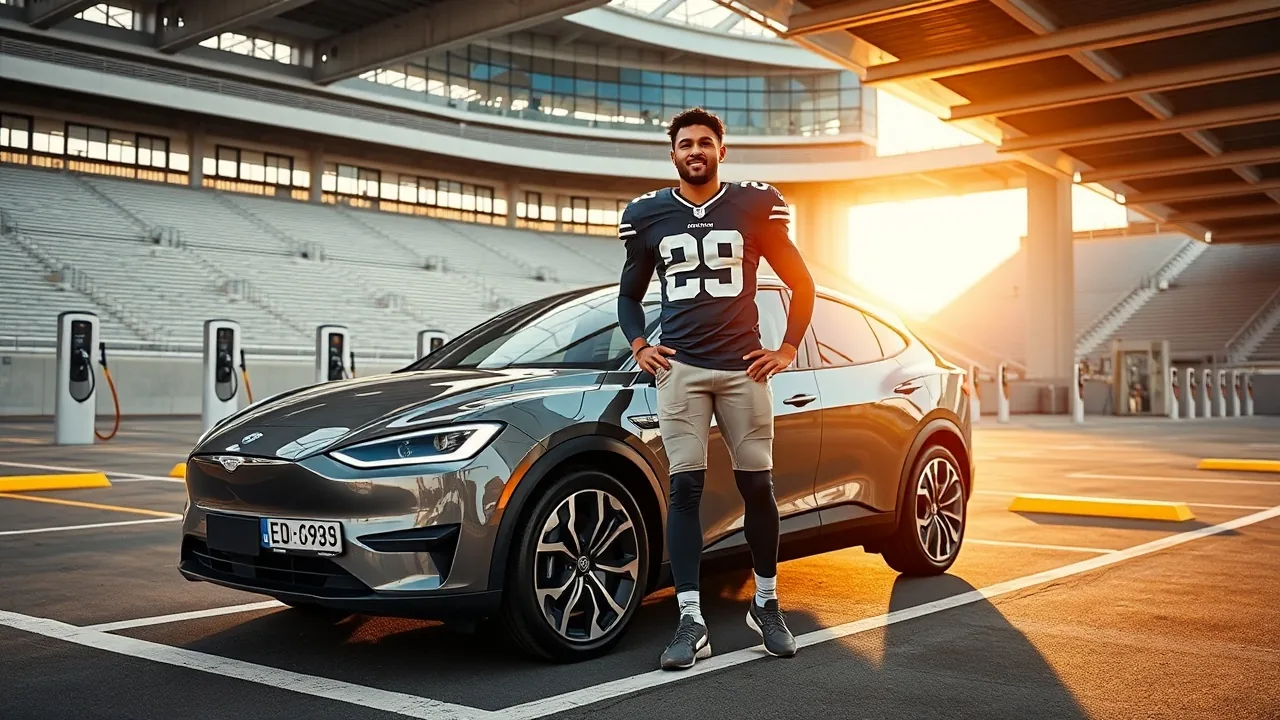
Kansas City Chiefs tight end Travis Kelce has joined a growing roster of professional athletes embracing electric vehicles as their primary mode of transportation, signaling a cultural shift in how elite performers think about sustainability and personal mobility. Kelce's reported vehicle choices have drawn attention from both automotive enthusiasts and sustainability advocates tracking athlete adoption of clean energy technologies.
The NFL star's interest in EVs aligns with broader industry trends showing professional athletes increasingly influence consumer purchasing decisions in the automotive sector. According to transportation analyst Marcus Chen at Mobility Futures Research, "High-profile athletes carry outsized influence in adoption cycles. When someone like Kelce adopts electric vehicles, it legitimizes the technology for millions of fans who might otherwise view EVs as niche or experimental." This phenomenon extends beyond individual car purchases and into the realm of team and league-wide sustainability initiatives.
Kelce's visibility as a perennial playoff contender and Super Bowl champion amplifies the visibility of his personal choices. His estimated 15 million Instagram followers and consistent media presence mean his lifestyle decisions reach demographics that traditional automotive advertising struggles to engage: younger men aged 18-35 who follow NFL content regularly.
Electric Vehicles Gaining Traction Among Professional Athletes
The sports world has become a proving ground for EV adoption. Beyond Kelce, numerous professional athletes across NBA, MLB, and NFL franchises have publicly transitioned to electric vehicles over the past three years. Teams themselves have begun incorporating EV charging infrastructure into stadium facilities and practice complexes.
Major League Soccer's Los Angeles FC fully converted its fleet to electric vehicles in 2024, followed by the Philadelphia Eagles installing 40 charging stations at Lincoln Financial Field in early 2025. These institutional commitments create ecosystems where athletes encounter EVs at work, normalizing the technology within locker rooms and athlete circles.
The sports marketing industry has taken notice. Several EV manufacturers have signed sponsorship deals with individual athletes and teams, though Kelce's adoption appears to stem from personal preference rather than formal endorsement arrangements. This distinction matters: voluntary adoption carries more cultural weight than paid endorsements.
Industry data from the Automotive Research Council shows that professional athletes represent approximately 8% of early EV adopters when weighted by media amplification. That percentage has climbed from 3% in 2022, reflecting accelerating interest among this demographic.
Why Athletes' Transportation Choices Matter to Future Mobility
The influence of athlete adoption on mass-market vehicle purchasing behavior extends beyond brand preference. When visible public figures normalize sustainable transport, it reduces the psychological barriers that have historically slowed EV adoption rates. Research from Stanford's Vehicle Adoption Studies Center found that media exposure to celebrity EV use increases purchase intent by 12-18% among adults aged 25-45.
Kelce's adoption particularly impacts a demographic crucial to EV market growth: younger, affluent males who represent the largest remaining holdout group for electric vehicle purchases. Traditional EV marketing emphasizes environmental responsibility and operational cost savings, angles that resonate differently when transmitted through sports narratives rather than corporate messaging.
The broader implications touch on several vectors:
- Shifting perceptions of EV performance and reliability within sports communities, where durability and dependability carry cultural currency
- Creating demand for premium EV features aligned with athlete lifestyles, including fast-charging infrastructure and luxury interiors
- Demonstrating that sustainable transport choices enhance rather than constrain high-performance professional activities
- Building peer networks within athlete circles that normalize sustainable transport as a status marker
Team facilities increasingly feature charging stations designed for athlete convenience. The Kansas City Chiefs have expanded EV infrastructure at their Overland Park headquarters, providing free charging for players and staff. This accessibility removes practical obstacles that might otherwise deter adoption.
Kelce himself has not publicly detailed the specific reasoning behind his vehicle selections, but his timeline aligns with Kansas City's sustainability initiatives and the NFL's broader commitment to carbon neutrality by 2030. The league established its own EV charging network at 15 stadiums between 2024 and 2026, creating visible infrastructure that reinforces the message.
The Ripple Effect on Consumer Behavior and Market Development
Manufacturers recognize that athlete endorsements, whether formal or incidental, drive consumer research and showroom traffic. Tesla, Lucid, and Hyundai's luxury EV division Ioniq have all reported increased inquiry rates from regions where prominent athletes are known to reside. Marketing attribution remains imprecise, but dealerships in Kansas City noted a measurable uptick in test drive requests for premium EVs following media coverage of athlete adoption trends in 2025.
This pattern holds implications for future mobility infrastructure planning. Cities and states design charging networks and incentive programs based partly on adoption projections. When high-visibility figures demonstrate real-world EV use in professional and personal contexts, they provide evidence that accelerates infrastructure development timelines.
The phenomenon also reshapes conversations about vehicle performance and lifestyle compatibility. Athletes training for peak physical condition maintain rigorous schedules requiring reliable transportation. If professional performers trust EVs to meet these demands, the technology gains credibility that advertising alone cannot manufacture.
Looking forward, expect continued visibility of athlete EV adoption as younger stars enter the league and existing players upgrade their personal fleets. Kelce's choices reflect not individual idiosyncrasy but participation in a broader cultural reorientation around transportation, sustainability, and the role visible public figures play in normalizing technological change. That reorientation will likely accelerate EV adoption timelines across consumer demographics over the next 3-5 years.