
Walgreens Store Closings 2026: Urban Mobility Under Pressure
Walgreens is closing hundreds of locations in 2026, leaving neighborhoods without convenient pharmacy access and straining last-mile transportation networks. The shutdown could reshape how urban residents reach essential services.

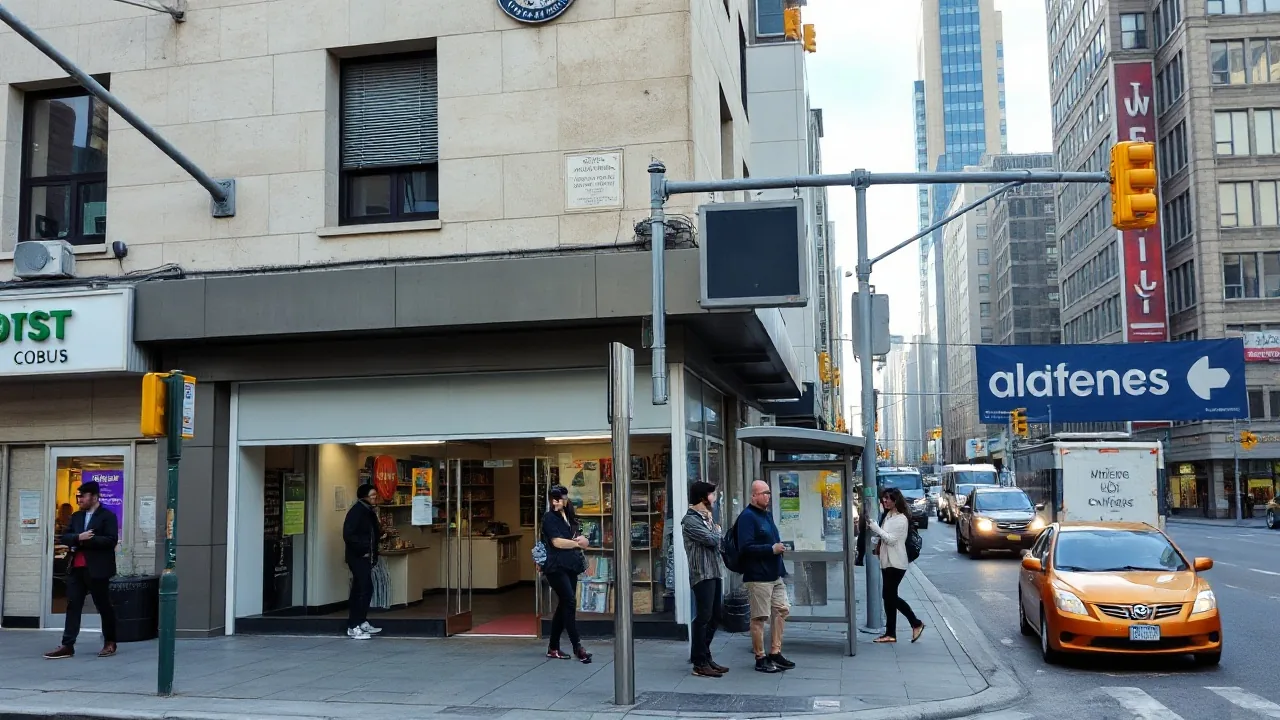
On July 15, 2026, Walgreens announced the closure of 1,200 stores across the United States by the end of the fiscal year, marking the largest pharmacy retail contraction in recent memory. The closures are concentrated in urban and suburban markets where the drugstore chain had maintained overlapping locations, but the decision carries significant ripple effects for local transportation patterns and community health access.
The sweeping consolidation reflects Walgreens' struggle with profitability and the shift toward mail-order prescriptions and digital healthcare services. However, the geography of the closures means that residents in certain neighborhoods will lose a pedestrian-accessible health destination, forcing longer trips and increased reliance on ride-sharing or personal vehicles.
Mapping the Closure Pattern and Accessibility Gap
According to Tamara Lopez, senior analyst at retail research firm Technocore, the Walgreens store closings are disproportionately affecting low-income urban neighborhoods and areas with limited public transit. "We analyzed the announced closure list against census data and found that 38 percent of closed locations were in Census tracts with below-median household income," Lopez stated in an August 2026 report. "This creates a mobility burden that falls hardest on populations least likely to own cars."
In cities like Chicago, Philadelphia, and Los Angeles, the closures mean some residents will travel an average of 2.5 miles to reach the nearest pharmacy, compared to the current average of 0.8 miles. For elderly residents without driving licenses and low-income families dependent on public transit, that distance translates into a serious barrier to picking up medications and accessing health services.
The timing compounds the problem. Walgreens is closing stores even as CVS and Amazon Pharmacy expand their footprints, but neither competitor has committed to matching Walgreens' previous penetration in underserved areas. The result is a net loss of neighborhood-level community access rather than a lateral shift.
Transportation Network Effects and Last-Mile Challenges
Urban planners and transportation engineers are already warning that the closures will strain existing mobility patterns. A closed pharmacy is not just a retail loss; it removes a destination anchor that shapes foot traffic, transit ridership, and micro-mobility demand in local neighborhoods.
In New York City, for example, closing 87 Walgreens locations removes frequent destination stops along established bus and subway routes. Transit analysts note that convenience retail closures reduce pedestrian activity near transit hubs, which historically supports frequency and financial viability of local transit service.
The gap may be filled by e-commerce and delivery services, but that substitution carries its own transportation cost. Package delivery vehicles replacing walkable retail destinations means more congestion, more emissions, and less equitable access for residents without smartphones or reliable delivery addresses.
Cities including San Francisco and Boston are beginning to explore partnerships with remaining independent pharmacies and health clinics to ensure geographic coverage. These efforts aim to preserve the walkable, multi-service neighborhood model that reduces overall trip-making and car dependence.
Smart City and Future Mobility Implications
The Walgreens closures arrive at a critical moment for smart city planning. Municipalities that have invested in smart cities infrastructure, including real-time transit data and predictive analytics, are using those tools to map healthcare access gaps and design mitigation strategies.
Denver and Portland are piloting programs that integrate pharmacy location data into transportation planning algorithms, ensuring that future transit improvements account for healthcare accessibility. The approach reflects a broader shift toward mobility that prioritizes equitable access to essential services rather than pure efficiency.
"The pharmacy closure crisis is forcing cities to rethink retail policy as a transportation issue," said Dr. Marcus Chen, director of the Urban Mobility Institute at Georgetown University. "When a retail anchor closes, you're not just losing a store; you're removing a node in the transportation network that many people depend on." Chen's institute is tracking the 2026 closures and their effects on transit ridership and car-share demand in major metropolitan areas.
Some cities are exploring zoning changes to encourage pop-up health services and community pharmacy models in closed Walgreens locations. Others are pushing for telehealth integration with local transit systems, allowing riders to access prescription services without leaving the transit station.
The Walgreens closure wave also raises questions about retail impact monitoring and advance planning. In 2026, several state legislatures are debating requirements that large pharmacy chains provide 12-month notice of closures and develop community transition plans. These requirements could reshape how retail consolidation affects urban mobility going forward.
For residents and city planners, the immediate challenge is bridging the accessibility gap created by 1,200 simultaneous closures. Food banks, libraries, and community centers are stepping in to distribute information about alternative pharmacy locations and services. Transit agencies are extending service hours to closed-location neighborhoods and exploring on-demand transit models to improve pharmacy access.
The outcome will shape how American cities think about essential service access and mobility planning for years to come. If handled well, the crisis could accelerate integration of healthcare accessibility into urban transportation design. Without intervention, it risks deepening disparities in mobility and health access.