
Wildcat Sightings Spark Debate: Bobcats vs. Mountain Lions in New England
New England residents are reporting increased sightings of large wildcats, leading to confusion between bobcats and the absence of mountain lions. Experts and readers share theories on the phenomenon.

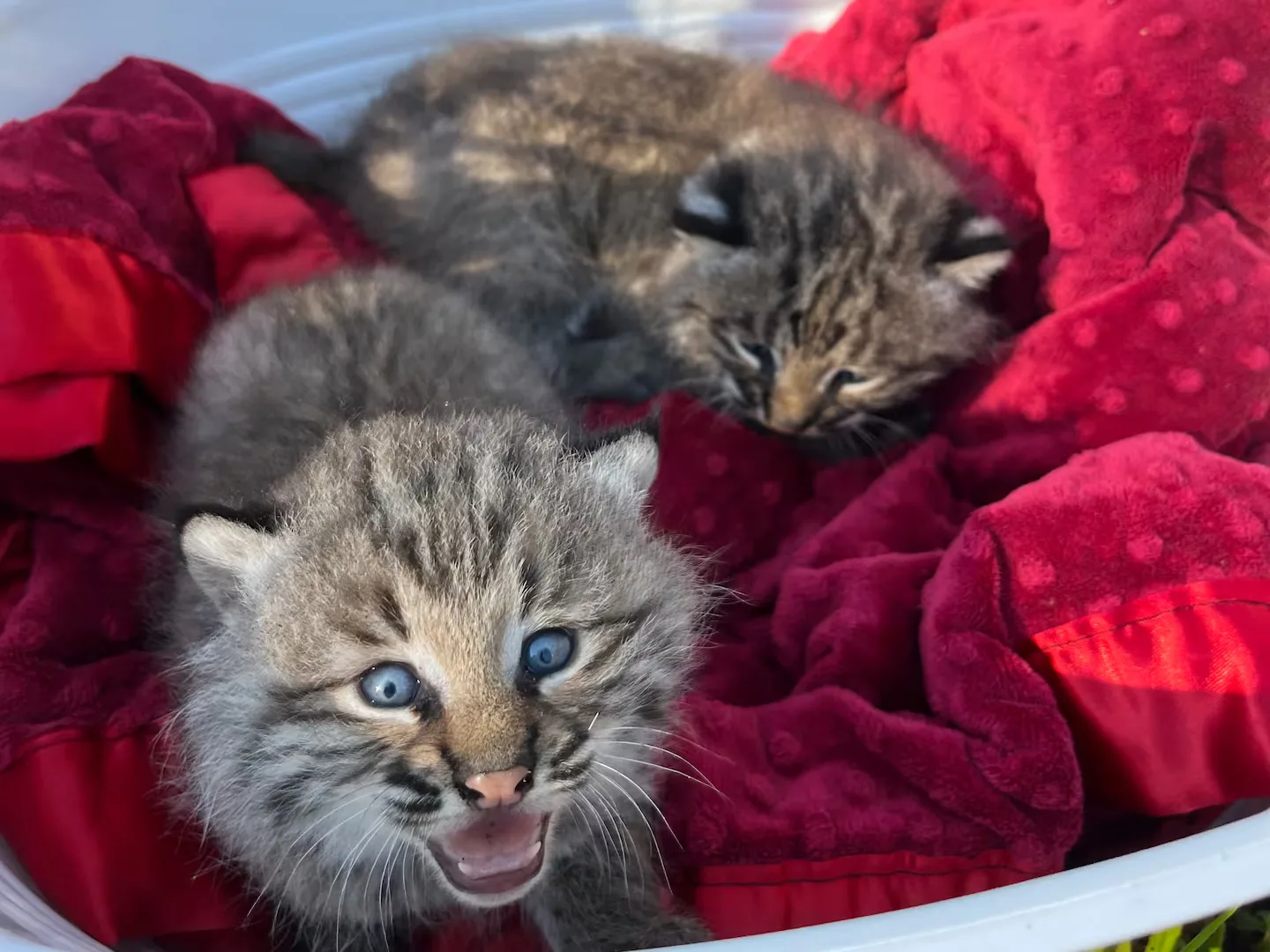
Reports of large wildcat sightings are surging across New England, prompting a lively discussion among readers about whether these elusive creatures are native bobcats or the long-absent mountain lion. While state officials and scientists maintain that the bobcat is the only wildcat species currently inhabiting Massachusetts and surrounding states, a wave of reader correspondence suggests a persistent curiosity and belief in the presence of larger felines.
Emails have flooded in from Massachusetts to Maine, with many readers expressing conviction about seeing cougars. Some subject lines, like “I definitely saw one” and “No mountain lions in Mass? Hah!”, highlight the skepticism towards official pronouncements. One such account comes from Jeff Kaufman, a retired surgeon, who described witnessing evidence of a much larger cat on a colleague’s property in Conway. He noted footprint evidence “the size of her hand,” clearly distinct from that of a bobcat. The discussion also touched upon the “coywolf,” a coyote-wolf hybrid, though the primary focus remained on the larger cat mystery. Many readers submitted photographs, predominantly of bobcats engaged in various natural behaviors, though some were misidentified as mountain lions. Experts point to a distinct physical characteristic to differentiate the two: bobcats possess a prominent facial ruff, which mountain lions lack.
Rekindling a Wild Fascination
Several theories attempt to explain the surge in perceived mountain lion sightings. Sarah Van Arsdale, author of the poem “Catamount,” posits that recent reports may stem from a “deeper longing” to connect with nature in an increasingly digital world. “It’s totally understandable,” she stated, “because we’re so divorced from the natural world, living in cities and immersing ourselves in the internet every day.” This disconnect is further exacerbated by technology. Kathleen Carroll, an assistant professor at the University of Rhode Island and lead of the Rhode Island Bobcat Project, recounted an instance where a local resident used artificial intelligence to identify a mysterious feline in a photo. The AI’s alarming response, urging immediate shelter and law enforcement contact, was for an image that turned out to be a domestic tabby cat. Carroll noted that AI, rather than clarifying, sometimes amplifies confusion.
Glenn Hurowitz, founder and CEO of the environmental nonprofit Mighty Earth, suggests another reason: a public awareness of the *absence* of cougars and a desire for their return to the northeastern United States ecosystem. “I suspect one reason so many people think they’re seeing mountain lions is because they know they’re missing from the ecosystem and they belong here,” Hurowitz said. He and Renee Seacor, Mighty Earth’s rewilding director for the Northeast, lead “Catamount Conversations” advocating for cougar reintroduction. The eastern cougar is culturally significant in regions like Vermont, serving as mascots and inspiring place names, despite its last confirmed sighting in 1881. A recent legislative effort in Vermont to study the feasibility of reintroducing cougars died in committee, but advocates anticipate its resurgence. Hurowitz is optimistic about gaining “bipartisan support inside and outside the Legislature.” He highlighted the success of forest restoration in bringing back species like beavers and turkeys, noting that cougars represent the “missing capstone” of this continental rewilding. The presence of cougars, he argues, could improve forest health by controlling deer populations, thereby reducing the prevalence of tick-borne diseases such as Lyme disease.
However, the potential return of apex predators like cougars raises significant concerns. Carroll, who also has expertise in pumas, and Christopher Hickling, a lead graduate student on the bobcat project, acknowledge the social challenges. The region’s increased human population, along with pets and livestock, creates a higher potential for human-wildlife conflict. While fatal encounters are rare, they do occur. A 2019 incident in Colorado involved a jogger who fought off a cougar attack, sustaining injuries but ultimately surviving. The territorial nature of these cats also presents a challenge. “They’re not going to stay where you put them—nothing ever does,” Carroll stated, emphasizing the difficulty in containing reintroduction efforts to specific zones. Unlike pack animals, cats like cougars are solitary and tend to roam vast distances, exploring diverse territories.
Despite the challenges, the allure of encountering large wildcats persists. Bobcats, while less iconic than cougars, are equally elusive, contributing to the thrill of spotting them. Richard Butler of Pittsfield shared a striking photograph taken in spring 2020 during the early pandemic, a time when many people confined to their homes were observing more wildlife. Butler encountered a lean, muscular bobcat while searching for osprey near the Housatonic River. Describing the encounter, he noted the cat’s deliberate, low walk across the trail, an image that left him “astonished.” These encounters, whether with the confirmed bobcat or the perceived cougar, underscore a deep-seated human fascination with the wild and the desire to coexist with powerful natural elements.