
Snow Patterns Shift: Climate Tech Innovates Winter Preparedness
Changing snowfall across the US is reshaping winter infrastructure and energy demands. New climate technologies help cities and utilities adapt to unpredictable snow patterns in 2026.

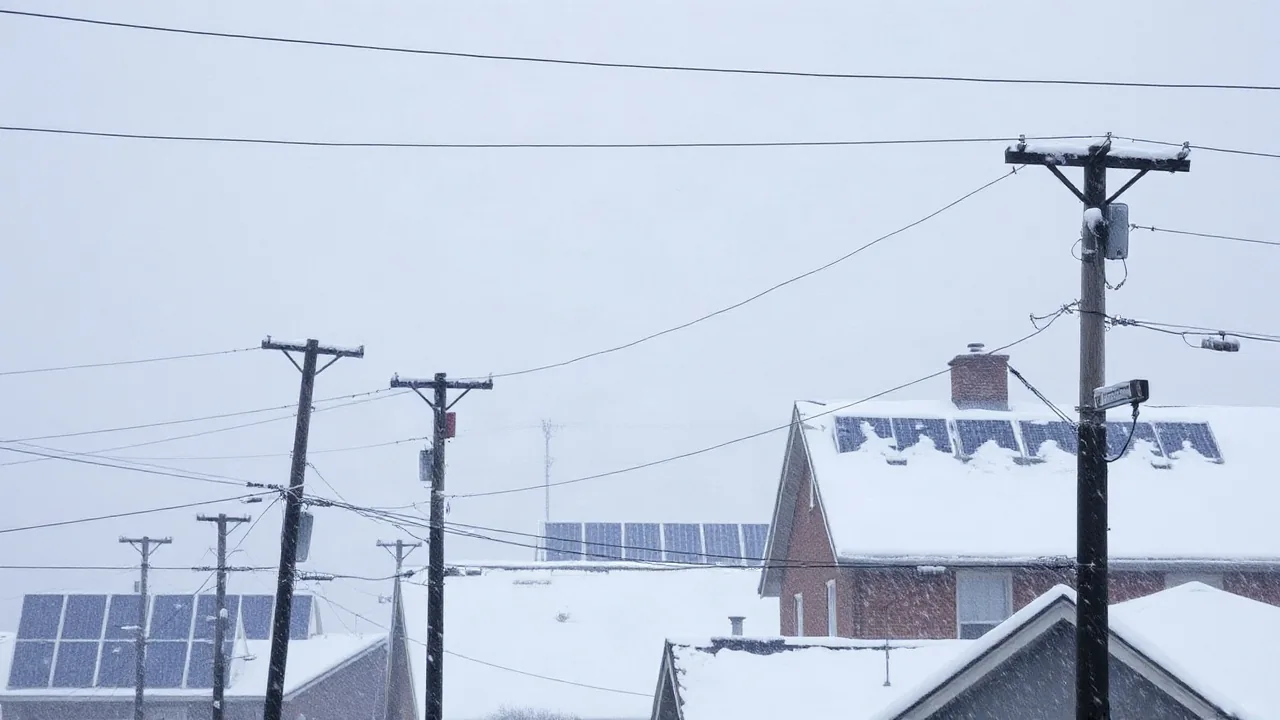
Winter weather in the northeastern United States has become measurably more erratic over the past five years, with Denver recording 89 inches of snow in 2024 and then just 34 inches in 2025, followed by a mild 2026 season. This volatility is forcing energy utilities, municipal departments, and property managers to rethink how they prepare for snow events and manage the resulting strain on power grids.
The shift reflects broader climate tech concerns about winter precipitation patterns. Dr. Rebecca Thorson, a climate scientist at the University of Colorado's Institute of Arctic and Alpine Research, stated in a recent policy briefing: "We are seeing less predictable snow-to-rain transitions and more frequent freeze-thaw cycles, which demand smarter forecasting and distributed energy systems." These patterns have direct consequences for road maintenance, electrical demand, and water supply planning.
Utilities nationwide have begun investing in AI-driven weather prediction systems to improve winter preparedness. Companies like Weather Predictive Inc. and Climavise now offer real-time snow-load analysis and grid-demand forecasting, allowing power companies to route energy more efficiently during unpredictable winter events.
The Energy Challenge in Unpredictable Snow
Heavy snow events create dual pressures on electrical infrastructure. First, snow increases heating demand as temperatures drop. Second, snow accumulation can damage transmission lines and reduce solar panel output. In January 2026, the Texas grid operator ERCOT managed a mid-winter snow event that spiked heating demand by 34 percent in just six hours.
Battery storage systems and distributed renewable energy now play a central role in winter resilience. Companies deploying clean energy solutions have added thermal storage tanks and behind-the-meter batteries to offset heating loads during snow-related grid stress. Vermont's Green Mountain Power reported that residential battery systems reduced peak winter demand by 12 percent in 2026, easing pressure on aging coal and gas plants.
Microgrids, which isolate and support neighborhoods independently during grid failures, have become a standard tool for winter preparedness. Austin and Minneapolis have each installed 15 new microgrids since 2024, specifically designed to maintain power and heating during heavy snow events.
Snow Forecasting and Adaptive Infrastructure
Modern snow prediction relies on ensemble machine learning models that factor in atmospheric pressure, soil temperature, ocean currents, and historical patterns. The National Center for Atmospheric Research unveiled its next-generation snow model in March 2026, improving 10-day snow forecasts by 23 percent accuracy over the previous generation.
Cities are using these forecasts to trigger automated responses. Smart salt-spreaders and heated pavement systems in Pittsburgh and Philadelphia now activate based on predicted snow intensity rather than fixed seasonal schedules. This approach reduces both road salt runoff and unnecessary energy consumption.
Building-level automation has also advanced. Rooftop snow-melt systems powered by solar thermal collectors are becoming standard in new commercial construction across the Midwest and Northeast. Some systems use waste heat from data centers or industrial processes, turning a liability into a resource.
Why Sustainability Matters in Winter Adaptation
The unpredictability of snow creates an argument for sustainability as a risk-management strategy. Regions relying entirely on fossil fuel heating and grid power face higher winter costs and greater outage risk. Those investing in distributed solar, heat pumps, and battery storage report both lower carbon emissions and improved operational resilience.
Heat pump technology has become particularly relevant for winter preparedness. Modern cold-climate heat pumps now operate efficiently at temperatures below freezing, unlike older models. Massachusetts installed over 185,000 heat pumps between 2023 and 2026, simultaneously reducing natural gas demand and cutting heating costs for homeowners during volatile winter weather.
Extreme weather events amplify the case for on-site renewable generation. After a severe ice storm knocked out power for 900,000 households in February 2025, communities with rooftop solar and home battery systems restored heating and refrigeration within hours, while some areas remained dark for weeks.
Insurance companies now offer discounts for properties with battery backup and on-site solar generation, recognizing these as resilience investments. Allstate and State Farm have launched specific programs offering 5 to 8 percent premium reductions for homeowners with verified backup power systems.
Federal funding through the Inflation Reduction Act has allocated $500 million specifically to winter weather resilience projects in 2026. These grants prioritize communities historically vulnerable to snow-related power outages and heating crises, with priority regions including rural Appalachia, northern New England, and the Upper Midwest.
As snow patterns continue to shift, the convergence of weather science, energy technology, and infrastructure planning will determine whether communities adapt cost-effectively or face repeated disruptions. The 2026 winter season has already demonstrated that extreme weather preparedness demands both innovation and sustained investment in clean energy systems.