
Volcano Preparedness Lags Behind Asteroid Threats, Study Warns
A Cambridge University study warns the world is underestimating the threat of supervolcano eruptions, which are more likely than asteroid impacts but receive far less preparation.

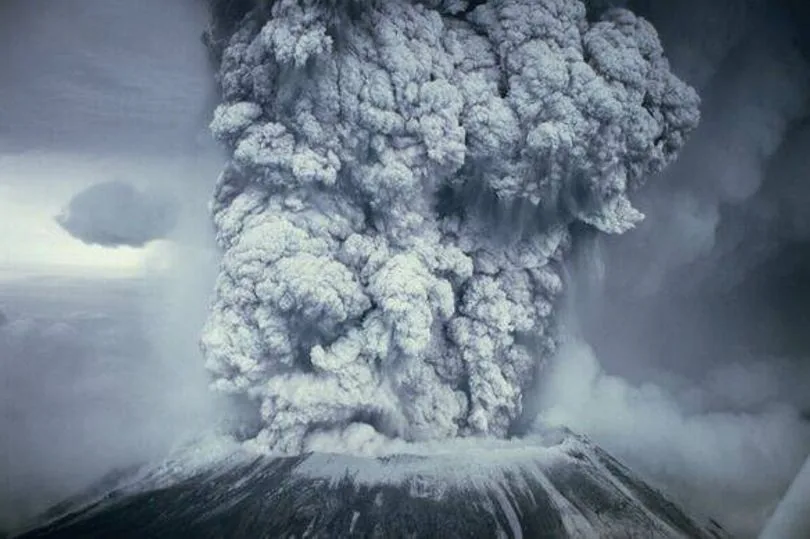
A new study from Cambridge University has issued a stark warning: humanity is severely underestimating the risk posed by supervolcano eruptions. Researchers caution that the planet faces a significant and potentially civilization-ending threat from such events, with a higher probability of occurrence this century than commonly believed. The study highlights a dangerous disparity in global preparedness, with far more resources allocated to mitigating asteroid impacts than to volcanic eruption readiness, despite volcanoes presenting a more immediate danger.
The research, published in the journal Nature, indicates a one-in-six chance of a magnitude seven volcanic eruption occurring within the next 100 years. This level of eruption, while less probable than smaller volcanic events, carries consequences akin to a large asteroid impact, capable of disrupting global supply chains, altering climate patterns, and causing widespread food shortages. The frequency of such colossal eruptions is estimated to be once every 625 years, a rate double previous calculations, and significantly more common than major asteroid collisions.
The last recorded magnitude seven eruption occurred in Indonesia in 1815. The aftermath of that event, known as the "Year Without a Summer," saw global temperatures drop by one degree Celsius, leading to devastating agricultural failures, famine, disease outbreaks, and significant civil unrest. The global economic cost of that single eruption was trillions, impacting a world with a fraction of today's population and interconnectedness.
Underinvestment in Volcanic Risk Mitigation
Despite the catastrophic potential, global investment in preparing for volcanic threats lags far behind that for asteroid defense. "Hundreds of millions of dollars are pumped into asteroid threats every year, yet there is a severe lack of global financing and coordination for volcano preparedness," stated Dr. Lara Mani, a research author from the university's Centre for the Study of Existential Risk. "This urgently needs to change. We are completely underestimating the risk to our societies that volcanoes pose."
The recent eruption of the Tonga volcano in January 2022, the most powerful ever recorded by modern instruments, served as a potent, albeit fortunate, reminder. Researchers described the event as the volcanic equivalent of an asteroid narrowly missing Earth, underscoring the need for greater vigilance. However, this event has not translated into a substantial increase in preparedness funding or international cooperation for volcanic disaster response.
Dr. Mike Cassidy, another author of the study, emphasized the increased vulnerability of the modern world. "We now live in a world with eight times the population and over 40 times the level of trade," he explained. "Our complex global networks could make us even more vulnerable to the shocks of a major eruption." He also pointed out that many significant eruptions may have gone undocumented due to a lack of historical research, particularly in regions like Southeast Asia, or difficulty in analyzing marine and lake sediment cores.
The study suggests that dozens of potentially catastrophic volcanoes may remain unidentified. Over the past 60,000 years, scientists have pinpointed the locations of only a small fraction of the 97 eruptions classified as magnitude seven or higher on the Volcanic Explosivity Index. This lack of knowledge about the precise locations of such supervolcanoes is a critical gap in global safety planning.
The researchers advocate for proactive measures, including enhanced global monitoring systems, greater public education about volcanic risks, and potentially even innovative techniques for magma manipulation to mitigate eruption forces. Addressing this underinvestment is crucial, they argue, to avert potential planetary catastrophe and ensure the resilience of modern societies against one of Earth's most powerful natural forces.