
AI Wearables Integrate Smarter Features into Everyday Gadgets
Artificial intelligence is rapidly transforming wearable technology. From advanced audio glasses to cameras in earbuds, AI is making everyday gadgets more intuitive and powerful, though raising new questions.

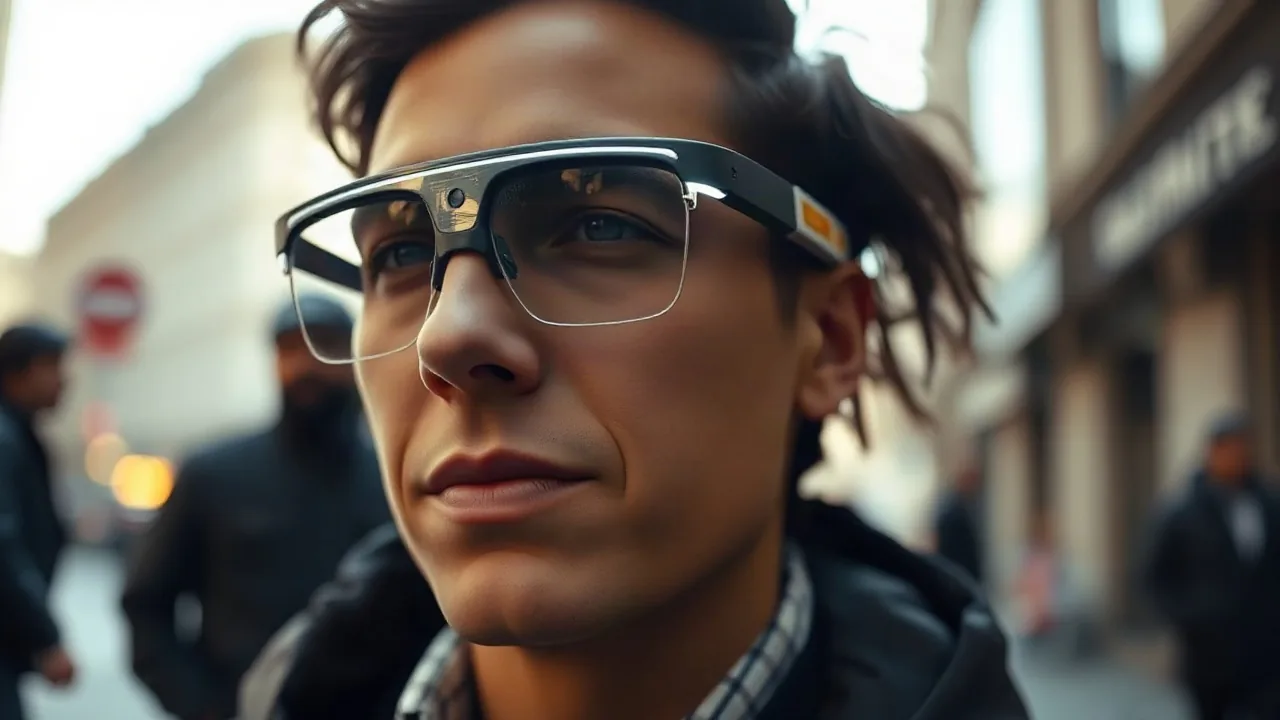
The landscape of personal technology is undergoing a significant transformation as artificial intelligence (AI) rapidly integrates into everyday wearable devices. This evolution is redefining the capabilities of everything from headphones and smartwatches to specialized gadgets, promising more personalized and efficient user experiences. This wave of innovation is not just about incremental upgrades; it represents a fundamental shift in how humans interact with technology on their bodies.
Leading this charge are advancements in audio wearables, with new smart glasses and earbuds incorporating sophisticated AI functionalities. These devices are moving beyond simple audio playback and noise cancellation to offer real-time translation, contextual information delivery, and even proactive assistance. For instance, some audio glasses are equipped with built-in cameras and processors capable of identifying objects, translating signs, and providing discreet notifications, effectively acting as an intelligent digital assistant accessible through sight and sound.
Smart Earbuds Go Beyond Listening
Earbuds, long a staple for music and calls, are also embracing AI's potential. Emerging models are featuring integrated cameras and AI capabilities that allow them to function as discreet recording devices or even tools for augmented reality experiences. Beyond capturing video, these AI-powered earbuds can analyze ambient sounds for security alerts or provide real-time environmental data. This multi-modal approach, combining audio and visual input with intelligent processing, opens up new avenues for personal computing and interaction.
The integration of AI into these gadgets raises important considerations about user control and ethical implications. As devices become more capable of collecting data and making decisions, ensuring human oversight is paramount. Experts highlight the need for clear guidelines and user-friendly interfaces that empower individuals to manage their AI-driven technologies effectively. The goal is to harness the power of AI without compromising personal autonomy or privacy.
This burgeoning market for AI wearables is attracting significant investment and research. Companies are pushing the boundaries of miniaturization and processing power to pack advanced AI algorithms into compact form factors. The aim is to create devices that are not only smart but also seamlessly blend into users' lives, offering predictive capabilities and context-aware assistance. From enhanced fitness tracking that understands your body's signals better to smart eyewear that navigates the world with you, the future of wearables is increasingly intelligent.
However, the rapid advancement of these AI-powered devices also presents new legal and ethical challenges. Questions surrounding data privacy, algorithmic bias, and the potential for misuse are coming to the forefront. As these gadgets become more sophisticated, regulatory bodies and manufacturers are tasked with developing frameworks to address these concerns, ensuring that the deployment of wearable AI technology is responsible and beneficial to society. The ongoing dialogue between technologists, policymakers, and the public will be crucial in shaping this new era of personal computing.