
Apple's Touchscreen MacBook Pro Arrives After 20 Years
Apple is reportedly set to launch its first touchscreen MacBook Pro in October 2026, ending a long-standing resistance to touch-enabled laptops. The new model is expected to feature significant internal upgrades.

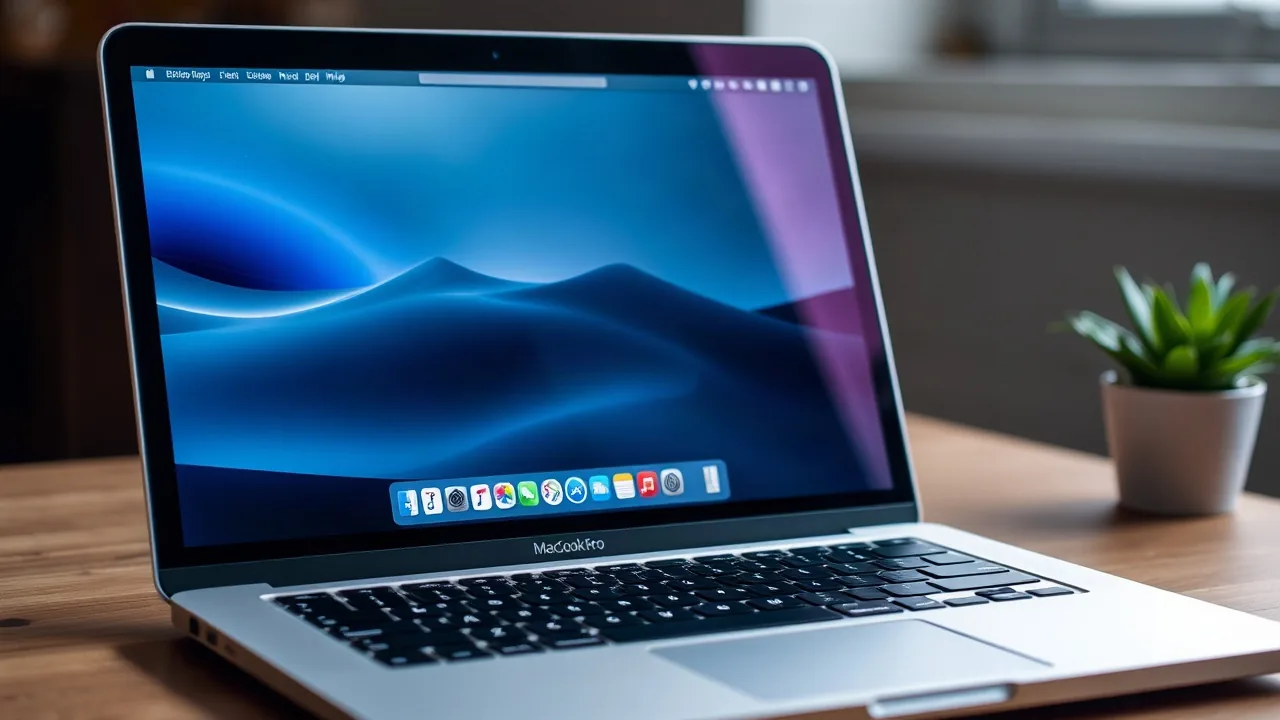
Apple Inc. is poised to introduce its first MacBook Pro model equipped with a touchscreen in October 2026, a move that signifies a major shift for the company's laptop strategy after years of avoiding the technology. The highly anticipated device is expected to be unveiled alongside other product updates during an upcoming event.
For two decades, Apple has maintained a firm stance against incorporating touchscreens into its MacBook line, with former CEO Steve Jobs famously dismissing the idea of a touch-based laptop as ergonomically flawed. The company's approach historically separated its tablet and laptop interfaces, with the iPad catering to touch input and MacBooks relying on trackpads and keyboards. This upcoming release directly challenges that long-held philosophy.
Internal Upgrades and Potential Features
Beyond the touchscreen, the new MacBook Pro is rumored to feature Apple's latest M6 chip, offering substantial performance enhancements. Industry analysts suggest that the integration of touch capabilities, combined with the M6 processor, could redefine user interaction on macOS. Early speculation points to a 14-inch model being among the first to receive the upgrade, although details on larger screen sizes remain unconfirmed. The OLED display technology, which has been a subject of extensive rumors, is also expected to be a key feature, promising improved contrast and richer colors.
The decision to finally embrace touch technology on its professional laptops comes at a time when the laptop market is evolving. Competitors have offered touchscreen laptops for years, often integrating them with stylus support and 2-in-1 convertible designs. Apple's late entry into this space suggests a deliberate strategy to perfect the user experience, ensuring that the touch interface is seamlessly integrated with the macOS operating system and hardware, rather than being a tacked-on feature.
"The market has been asking for this for a long time, and Apple's approach has always been about doing things the 'Apple way'," said tech analyst Sarah Chen. "It's likely they spent years refining how touch would work on a MacBook without compromising the core Mac experience. We're not just talking about a random touchscreen; it's about how it enhances productivity and creativity for Mac users."
This strategic pivot might also be influenced by the convergence of tablet and laptop functionalities across the industry. As devices become more versatile, Apple's move aligns with a broader trend toward more adaptable computing. The company may also be looking to leverage its experience with touch interfaces on the iPad to inform the development of the MacBook's touch capabilities, ensuring a familiar yet distinct user experience.
The unveiling event is also anticipated to include updates to the iMac line, possibly featuring the new M6 chip as well, further solidifying Apple's commitment to pushing the boundaries of its product ecosystem in 2026. The company is expected to provide specific launch dates and pricing for all new devices during the presentation.