
Apple's Foldable iPhone Ultra May Echo iPhone X Launch Delays
Analyst Ming-Chi Kuo predicts Apple's rumored foldable iPhone Ultra will follow a similar delayed launch strategy as the original iPhone X, facing production hurdles.

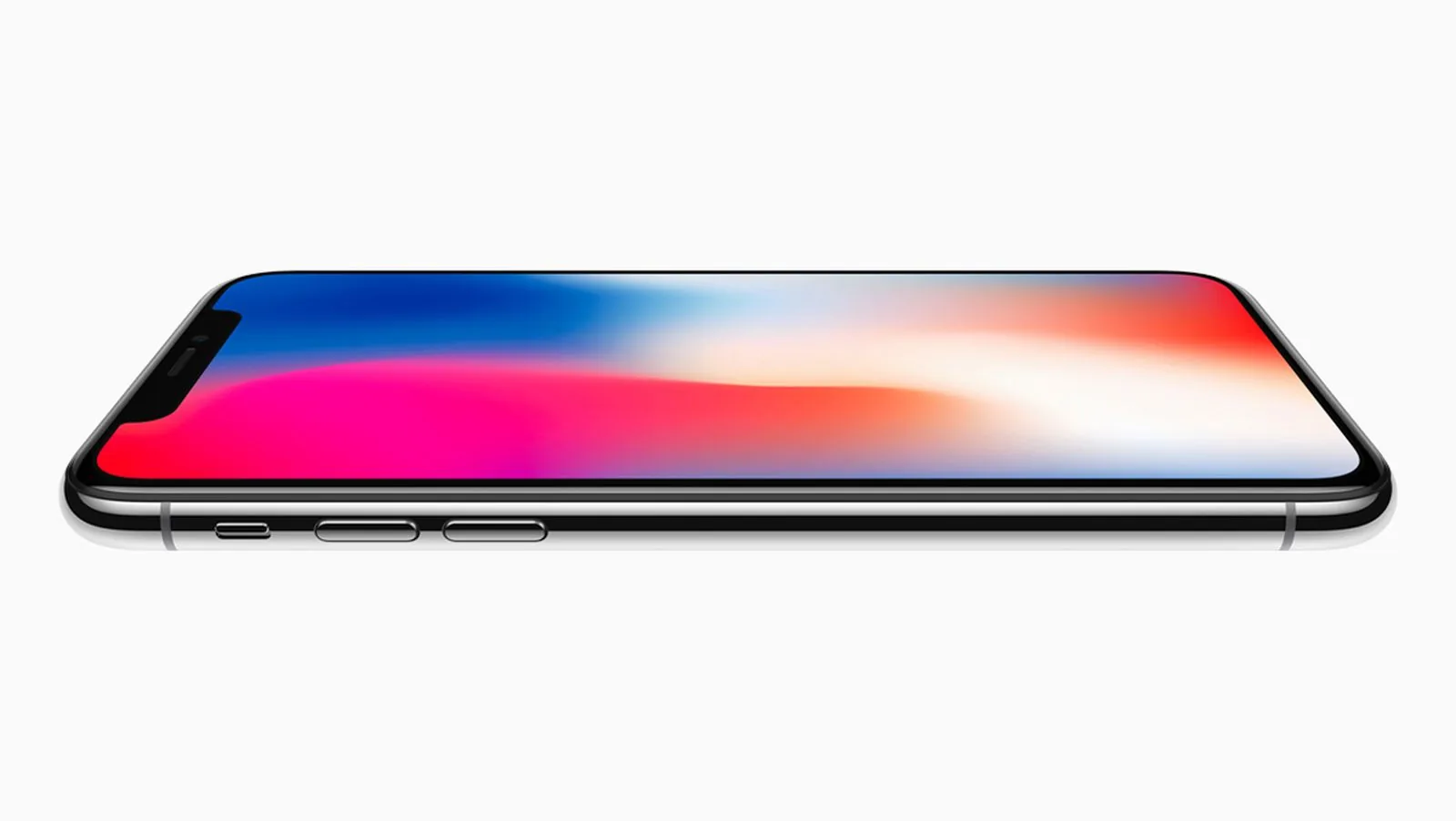
Apple is reportedly preparing to launch its first foldable iPhone, potentially named the iPhone Ultra, with a strategy that mirrors the initial rollout of the groundbreaking iPhone X. According to insights from analyst Ming-Chi Kuo, manufacturing complexities are anticipated to delay the availability of the foldable device, positioning its release after the upcoming iPhone 18 Pro and iPhone 18 Pro Max models.
This projected timeline echoes Apple's 2017 strategy when the iPhone 8 and iPhone 8 Plus became available for pre-order mere days after their September 12 unveiling. In contrast, the highly anticipated iPhone X faced a significant six-week delay, with pre-orders commencing on October 27. Kuo suggests that a similar pattern may unfold for the foldable iPhone, with pre-orders potentially not opening until the fourth quarter of 2026.
Production Challenges Impacting Early Shipments
Kuo's analysis indicates that early production volumes for the foldable iPhone are constrained due to manufacturing challenges. This limitation is expected to affect the initial supply, leading to a staggered release. Apple's suppliers are estimated to ship approximately 7 to 8 million units of the foldable iPhone in 2026. This figure stands in stark contrast to the projected 20 to 22 million units for the combined iPhone 18 Pro and iPhone 18 Pro Max models for the same year. If these projections hold true, consumers might see the foldable iPhone Ultra announced in September but be unable to place orders until at least October.
The premium pricing anticipated for the foldable device further positions it as a niche, high-demand product. Kuo estimates a starting price point in the U.S. ranging from $2,299 to $2,499. This elevated cost, coupled with potential production constraints, could lead to immediate sell-outs upon pre-order availability, with delivery lead times potentially extending to four to six weeks or longer. This scenario reflects the intense demand and supply limitations that characterized the iPhone X launch, where initial scarcity drove significant consumer interest and long waiting periods.
The foldable smartphone market, while growing, remains a segment where Apple has yet to compete. Competitors like Samsung have been iterating on foldable designs for several years, offering various form factors. Apple's entry into this market is expected to bring its signature design philosophy and integration with its ecosystem, potentially setting new benchmarks for durability and user experience in foldable devices. The success of the iPhone Ultra, despite potential initial production hiccups, could significantly influence the future direction of smartphone design and consumer expectations.