
Apple iPhone Leases Start at $17.99 Monthly via Klarna Partnership
Apple is launching a new leasing program for iPhones, starting at $17.99 per month, in a partnership with buy-now-pay-later provider Klarna. The program aims to make devices more accessible amidst rising component costs.

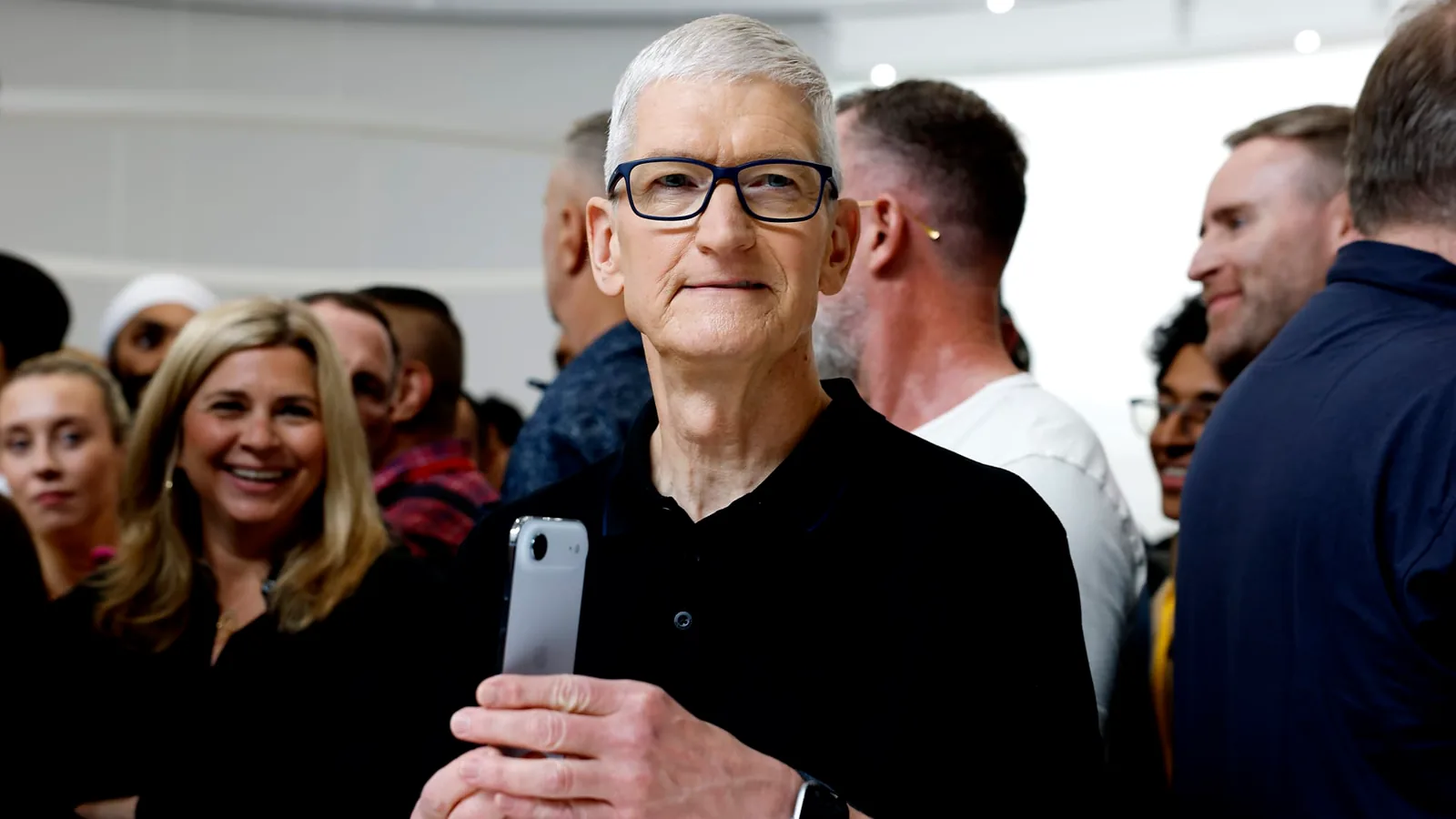
Apple is introducing a new leasing program in the U.S. that allows customers to lease an iPhone for up to two years with monthly payments starting at $17.99. Announced Tuesday, the initiative, dubbed "Apple Upgrade," is a collaboration with the financial services company Klarna. This new offering will be available both in Apple's physical retail stores and through its online store. To qualify, customers will need to pass a basic credit check. The program also extends to other Apple products, with options for one- or two-year leases on Apple Watches, and two- or three-year leases for Macs and iPads.
The move comes as the tech giant faces increasing component costs, which have already led to price hikes on iPads and Macs earlier this year. Analysts anticipate similar price increases for iPhones in 2026, making leasing a strategy to shift consumer focus from the high upfront cost of devices to more manageable monthly payments. Nabila Popal, senior research director at IDC, commented on the trend, stating, "Most of Apple's consumers, especially in the U.S. and other developed markets, are buying devices on installment plans or trade-ins, so we can expect to see much more aggressive offers." This sentiment highlights a broader industry shift towards flexible payment options.
New Leasing Program Details and Implications
The new Apple iPhone leasing program seeks to provide a more accessible entry point for consumers. Unlike the previous iPhone Upgrade Program, which required users to pay over $42 per month for 24 installments with financing from Citizens Bank and included AppleCare, the new Klarna-based plan offers a significantly lower starting monthly cost. Apple has discontinued the U.S. version of the iPhone Upgrade Program, transitioning existing customers to the new Apple Upgrade service.
Under the terms of the lease, devices must be returned after the 24-month term. Alternatively, lessees have the option to purchase their device outright with a final payment or to upgrade to a new model. While there is no security deposit required, and Klarna will not impose late fees, leases will be terminated following three consecutive months of missed payments. The pricing structure will vary, with premium devices commanding higher monthly costs. For instance, an unlocked iPhone 17 Pro could cost $31.99 per month for a two-year lease or $45.99 for a one-year lease. Not all entry-level devices, such as the iPhone 16 and MacBook Neo, are included in this leasing scheme.
Industry analysts have been speculating about increased iPhone prices, with Morgan Stanley estimating a potential $200 rise for the iPhone 18 Pro to maintain gross margins. Component cost analysis by TechInsights suggests that rising memory and other part expenses could inflate an iPhone's bill of materials by as much as $300. In parallel, Apple is reportedly preparing to launch a foldable phone alongside the iPhone 18 Pro lineup in September, with some projections placing its retail price around $2,500, indicating a push towards higher-end and potentially more specialized devices.
This new leasing arrangement positions Apple to compete more directly with major wireless carriers such as AT&T, Verizon, and T-Mobile, which have historically used device financing and subsidies to secure customer loyalty and long-term service contracts. Apple already offers zero-interest financing through Apple Card Monthly Installments. Additionally, for users of Apple Pay, short-term loan options are currently available through Klarna and its competitor, Affirm. The program is expected to potentially shorten the average iPhone replacement cycle, which has reportedly stretched to nearly four years according to Bernstein research, thereby stimulating more frequent device upgrades.