
Samsung Exynos 2700 Outperforms Snapdragon 8 Elite Extreme Gen 6 in Leaked Benchmarks
Internal tests suggest Samsung's upcoming Exynos 2700 chip significantly outperforms Qualcomm's Snapdragon 8 Elite Extreme Gen 6 in CPU and GPU performance. This could mark a major comeback for Samsung's mobile processors.

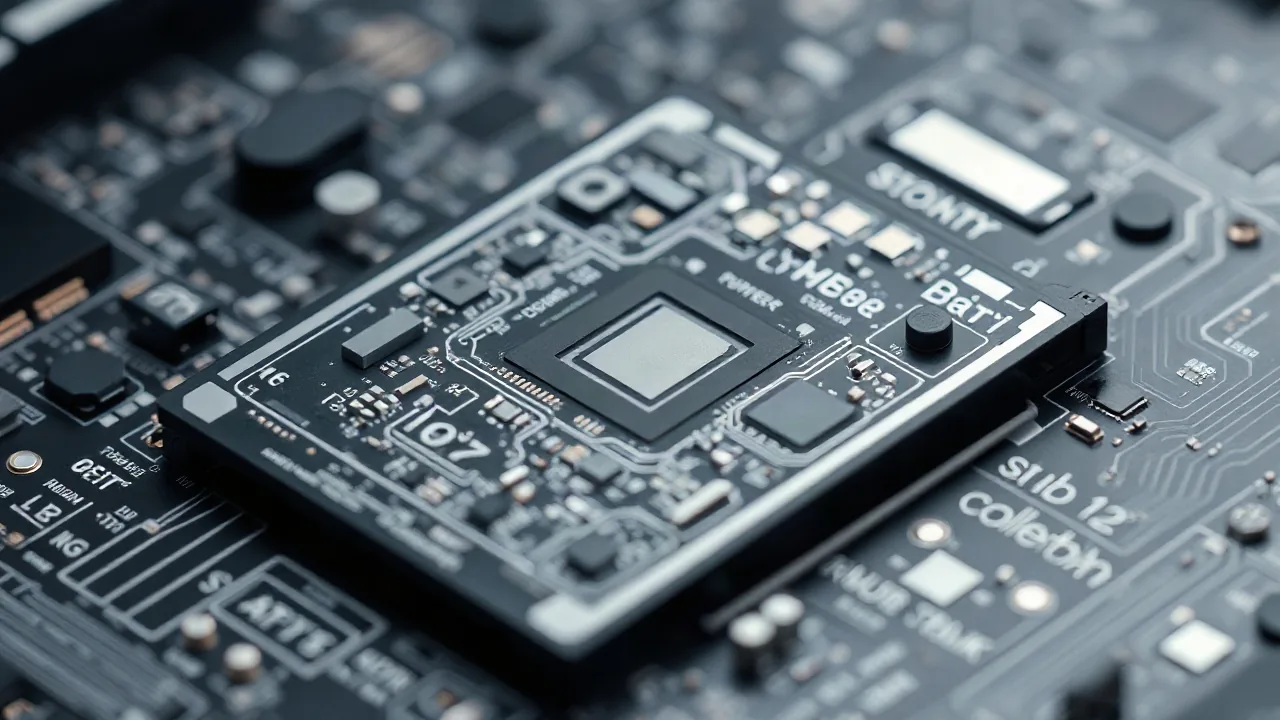
Internal benchmarks for Samsung's next-generation Exynos 2700 processor indicate a substantial performance lead over Qualcomm's anticipated Snapdragon 8 Elite Extreme Gen 6. The leaked results, reportedly originating from Samsung's own testing labs, show the Exynos 2700 achieving up to 20% greater speed in both central processing unit (CPU) and graphics processing unit (GPU) workloads. This development, if confirmed, could signal a significant shift in the competitive landscape for high-end smartphone chipsets, potentially impacting future Samsung Galaxy devices.
The Exynos 2700 is expected to be fabricated on an advanced 2nm process node, a technological leap that contributes to its projected efficiency and power. For years, Samsung's Exynos chips have often lagged behind their Qualcomm Snapdragon counterparts in performance and efficiency, leading to user complaints and fueling demand for Snapdragon-equipped variants of Samsung's flagship phones. This rumored turnaround in performance could address those long-standing concerns and restore confidence in Samsung's in-house silicon development.
A Potential Turning Point for Samsung's Chip Strategy
The significance of these leaked benchmarks lies in Samsung's ongoing efforts to regain its footing in the premium mobile processor market. Historically, the company has invested heavily in its semiconductor division, aiming for vertical integration to control both hardware and software. However, the performance gap with Qualcomm has been a persistent challenge. The Exynos 2700, appearing to challenge the dominance of the latest Snapdragon, suggests that Samsung's latest architecture and manufacturing advancements are finally yielding competitive results.
Details emerging from the purported internal tests suggest that the Exynos 2700 not only excels in raw processing power but also demonstrates improved energy efficiency, a critical factor for smartphone battery life. While specific manufacturing processes and core architectures are yet to be officially confirmed by Samsung, the performance gains hint at innovations in both areas. The 'Exynos 2700' processor is anticipated to power upcoming high-end devices, potentially including the Samsung Galaxy S27 series, slated for release in early 2027.
Qualcomm, currently a dominant force in the Android flagship space, has consistently pushed the boundaries with its Snapdragon line. The Snapdragon 8 Elite Extreme Gen 6, based on a 2nm process, was expected to set a new benchmark for mobile performance. The leaked 'Snapdragon 8 Elite Extreme Gen 6' would feature new CPU cores and an advanced Adreno GPU. However, the reported 20% deficit in benchmark scores would suggest that Qualcomm's packaging or architectural choices may not have fully translated into the expected performance lead, or that Samsung's execution has been superior.
This competition is vital for consumers. A robust rivalry between major chip manufacturers like Samsung and Qualcomm drives innovation, leading to more powerful, efficient, and feature-rich smartphones. Consumers benefit from better gaming experiences, faster app loading times, improved camera capabilities, and longer battery life. The potential emergence of a truly competitive Exynos chip could offer consumers more choices and potentially better value in the premium smartphone segment, breaking the near-duopoly that has characterized recent years.
While these are internal test results and not final product specifications, they provide a compelling preview of what's to come. Official announcements from both Samsung and Qualcomm regarding their 2027 flagship chipsets are eagerly awaited. The industry will be closely watching to see if the Exynos 2700 can maintain this performance advantage through to mass production and whether it can truly dethrone the reigning 'Snapdragon' series.