
AI Music Gear Revolution: Vibe Coding Reimagines Production Tools
A new wave of "vibe coding" is transforming music production, enabling musicians to deeply customize their hardware with AI-powered firmware. This innovation is democratizing complex sound design.

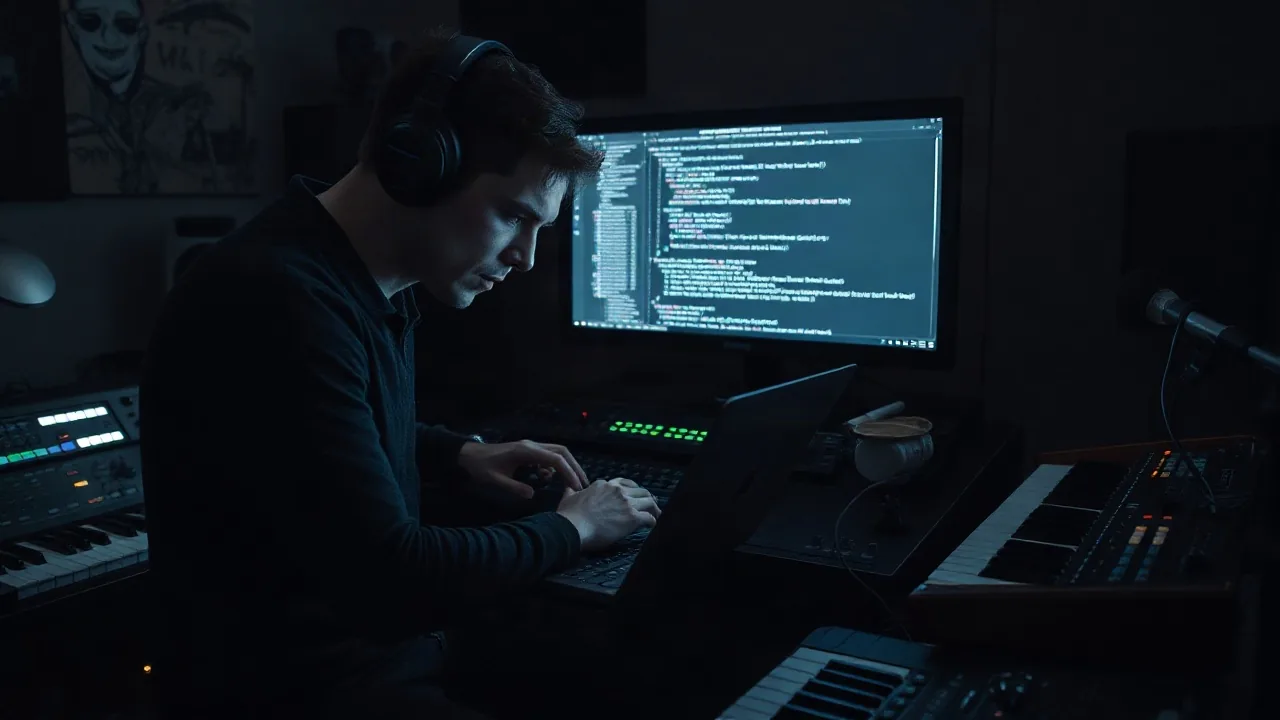
A new movement known as "vibe coding" is fundamentally reshaping the landscape of music production hardware, empowering artists to deeply customize their instruments and tools. This trend, fueled by advancements in artificial intelligence and accessible coding techniques, allows musicians to go beyond the intended factory settings of their gear, creating entirely new sonic possibilities and workflows. The M-Vave FM-1, a portable music production device, has become a focal point for this innovation, demonstrating how firmware can be rewritten to unlock unprecedented creative control.
Traditionally, musicians were limited by the built-in features and firmware of their synthesizers, samplers, and controllers. Vibe coding challenges these limitations by enabling users to modify or replace the software that governs their hardware. This often involves leveraging AI algorithms to generate novel sounds, create intelligent performance mappings, or even alter the fundamental behavior of a device. For instance, custom firmware could allow a drum machine to generate entirely unique percussive textures based on user-defined parameters, or a synthesizer to learn and adapt its melodic output based on a player's style.
Democratizing Advanced Sound Design
The implications of vibe coding extend to making sophisticated sound design more accessible. Previously, achieving highly specialized or experimental sounds often required extensive knowledge of digital signal processing or access to expensive, high-end equipment. Now, by reprogramming existing hardware, musicians can achieve similar results with more affordable tools. The community surrounding vibe coding is rapidly growing, with developers and artists sharing custom firmware, code snippets, and innovative techniques on online forums and social media platforms. This collaborative environment accelerates the pace of innovation and lowers the barrier to entry for those looking to push the boundaries of electronic music creation.
The M-Vave FM-1, in particular, has been a popular subject for vibe coding enthusiasts. Its relatively open architecture has made it an ideal candidate for modification. Users have developed custom firmware that enhances its sequencing capabilities, adds new synthesis engines, and integrates AI-driven generative features. This approach transforms the device from a simple impulse purchase into a deeply personal and infinitely adaptable studio tool. The ability to install custom firmware means that the lifespan and utility of these music devices can be significantly extended, as they can be updated and reimagined with new functionalities long after their initial release.
This revolution in music gear is not just about individual customization; it's also about fostering a new era of creativity and ingenuity in the music gear industry. As more artists and developers engage with vibe coding, we can expect to see a proliferation of highly specialized and uniquely powerful music production tools emerge, driven by the very users who will employ them. The line between hardware manufacturer and user is blurring, leading to a more dynamic and responsive ecosystem for electronic musicians.