
Fitbit Air: 24-Hour Health Tracker Review
Fitbit's new Air wearable is under scrutiny after its first 24 hours. Initial impressions focus on its design, comparison to competitors, and integration with the Google Health app.

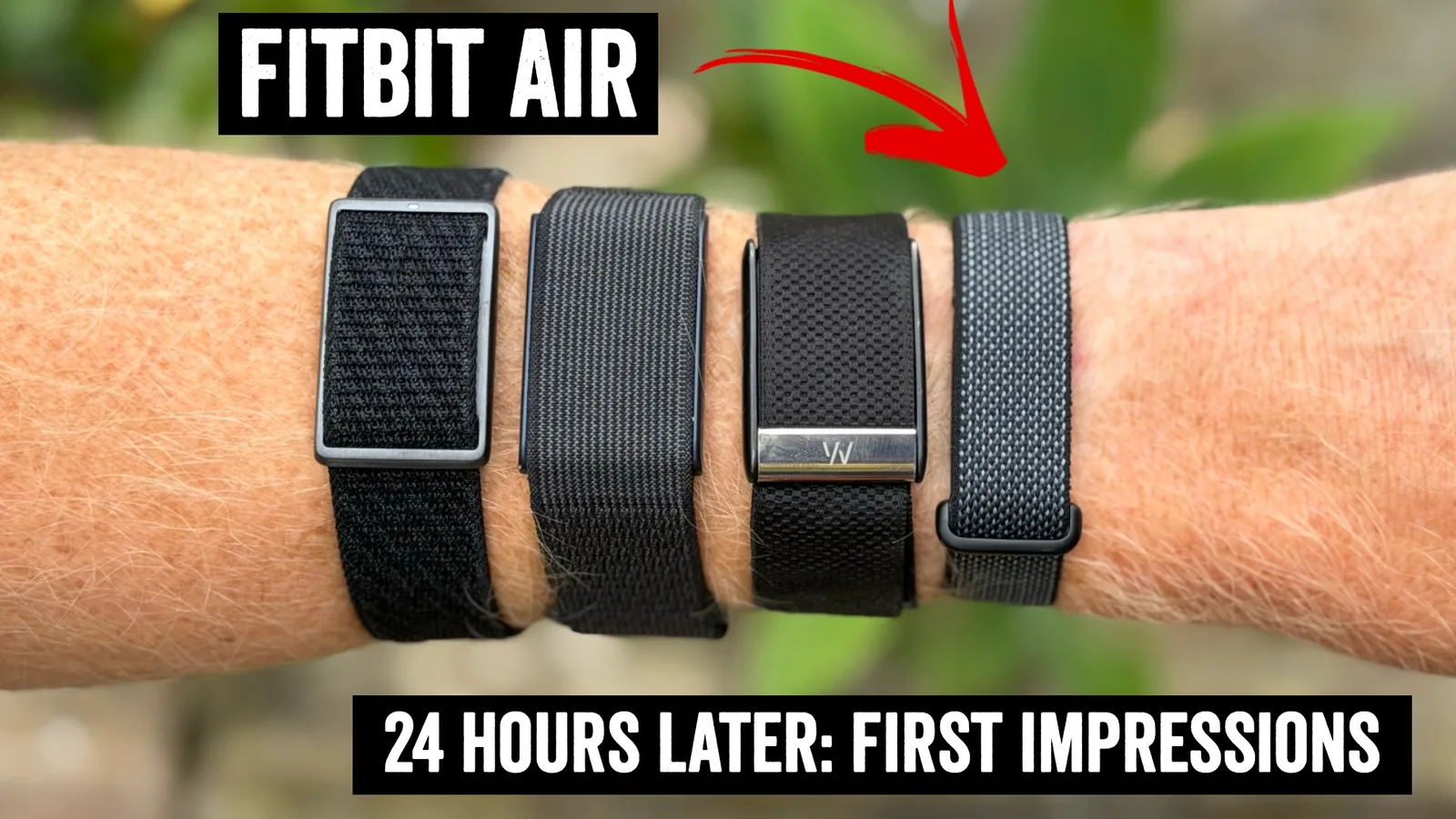
The new Fitbit Air wearable has completed its first 24 hours of use, offering a preliminary look at its capabilities and integration within the evolving Google Health ecosystem. Initial impressions, captured in an unboxing and on-wrist review, highlight the device's physical design and its comparison to other leading health trackers like the Whoop 5.0, MG Band, Polar Loop, and Amazfit Helio. Early adopters are assessing how the Air performs across various activities, including running and cycling, and how its data translates within the revamped Google Health application.
The initial setup involved a comprehensive unboxing, showcasing the device's packaging and included accessories. On-wrist demonstrations were provided for both a standard adult wrist and a smaller wrist, illustrating the wearable's fit and aesthetic versatility. The review process emphasized a 24-hour data collection period before delving into the new Google Health app, which has seen significant updates in recent months, mirroring changes seen in the Fitbit Public Preview app. This integrated approach aims to provide a unified health data experience for users.
Hardware Comparisons and User Experience
Physically, the Fitbit Air is being evaluated against its main competitors. The review noted its form factor and materials in relation to the Whoop 5.0, known for its subscription model and detailed recovery metrics, and the MG Band, which offers a balance of features and price. The Polar Loop, a long-standing player in the fitness tracking market, and the Amazfit Helio, a recent entrant, also serve as benchmarks for the Air's design and functionality. Early user feedback suggests the Air aims for a comfortable, unobtrusive fit, suitable for continuous wear.
The user interface and the companion app experience are crucial components of any health tracker. The integration with the Google Health app is a key focus for the Fitbit Air. Google has been working to consolidate its health tracking efforts, and the Air is expected to be a central piece of this strategy. Users are looking for seamless data syncing, intuitive data visualization, and actionable insights derived from the collected biometric information. The app's performance over the first 24 hours, including how it processes and presents data from activities like running and cycling, will be critical for user adoption.
The performance data gathered during the initial 24-hour period is essential for understanding the Fitbit Air's accuracy and responsiveness. This includes metrics typically tracked by advanced wearables: heart rate variability, sleep stages, activity intensity, and GPS accuracy for outdoor workouts. The review aims to establish a baseline understanding of these metrics, comparing them against known performance from other devices. For serious athletes and health-conscious individuals, the reliability of this data is paramount.
The broader context for the Fitbit Air's release involves Google's ongoing efforts to expand its footprint in the wearable technology market, particularly after its acquisition of Fitbit. The integration of Fitbit's established brand and user base into Google's broader digital health strategy is a significant development. The success of the Fitbit Air could pave the way for further innovations and a more unified approach to personal health monitoring under the Google umbrella. This release represents a critical step in Google's long-term vision for health technology.