
Google Unveils $29 Pixel Tag Tracker to Rival Apple AirTag
Google launched the $29 Pixel Tag, a new item tracker designed to compete with Apple's AirTag. It utilizes Google's Find Hub network and offers Bluetooth and Ultra Wideband connectivity.

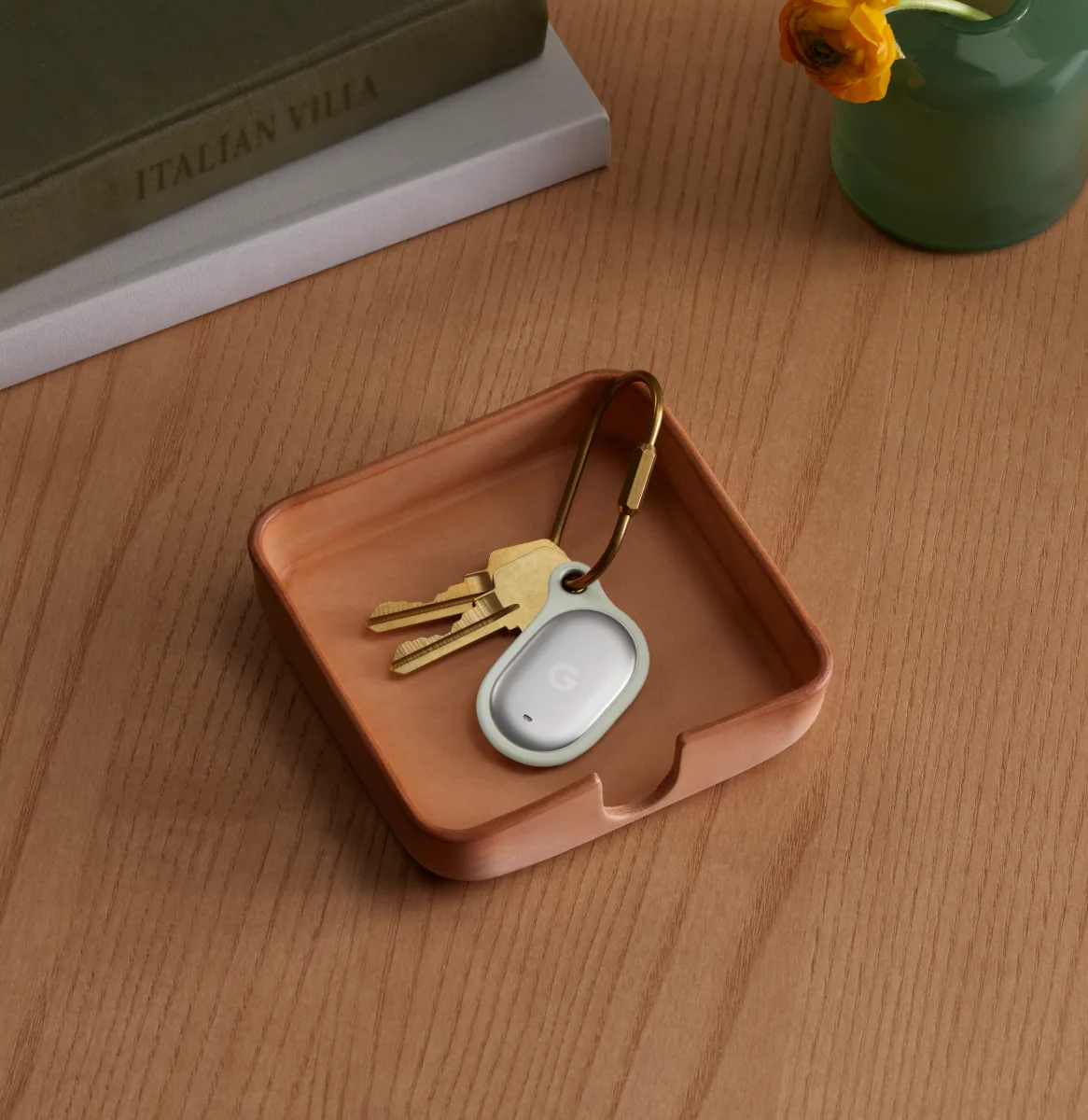
Mountain View, CA – Google officially entered the item tracking market on Wednesday, unveiling the Google Pixel Tag at its Made by Google 2026 event. The new device is positioned as a direct competitor to Apple's popular AirTag, offering similar functionality for locating misplaced belongings.
Priced at $29 for a single unit and $99 for a four-pack, the Pixel Tag will be available for purchase starting November 11, 2026. Like the AirTag, which relies on Apple's vast network of iPhones, the Pixel Tag leverages Google's extensive Find Hub network. This network taps into the billions of Android devices worldwide, enabling users to pinpoint the location of their tagged items.
The functionality is integrated into the existing Android Find Hub, a system already in place to help users locate lost Android smartphones and other compatible devices. Users can also locate and ring their Pixel Tag using a Pixel Watch, adding another layer of convenience for users within the Google ecosystem.
While offering similar core features, the Pixel Tag distinguishes itself visually and dimensionally from its primary rival. Apple's AirTag is a small, circular device, whereas Google has opted for a slimmer, elongated design. The Pixel Tag measures 1.1 inches wide and 1.8 inches high, with a thickness of 0.2 inches. For comparison, the AirTag is 1.26 inches in diameter and 0.31 inches thick. Both devices are remarkably close in weight, with the Pixel Tag at 0.4 ounces and the AirTag at 0.39 ounces.
Durability and Connectivity Features
Both the Google Pixel Tag and the Apple AirTag boast an IP67 rating for water, dust, and splash resistance. This certification signifies that both trackers can endure submersion in up to 1 meter of water for a maximum of 30 minutes. This robust protection makes them suitable for attachment to everyday items like keychains and bags, which are often exposed to the elements.
Connectivity options for the Pixel Tag include Bluetooth and Ultra Wideband (UWB) technology, the latter enabling precise location finding for users with compatible devices. Unlike the AirTag, the Pixel Tag does not feature Near Field Communication (NFC) capabilities. A built-in speaker on the Pixel Tag allows users to audibly locate the device when in close proximity. Powering the tracker is a user-replaceable CR2032 coin cell battery, identical to the one used in the AirTag. Google estimates that this battery will provide approximately one year of operational life before requiring replacement.
The introduction of the Pixel Tag signifies Google's strategic move to capture a share of the burgeoning item tracker market. With billions of Android devices in circulation, the potential reach of the Find Hub network offers a significant advantage. This expansion also provides consumers with more choice in a market previously dominated by Apple, enhancing the competitive landscape for consumer electronics.