
Nintendo Switch 2 Price Hike Set for September, US Costs Rise
Nintendo is raising the price of its Switch 2 console globally starting September, with US prices increasing to $499.99. The company cited market conditions for the change.

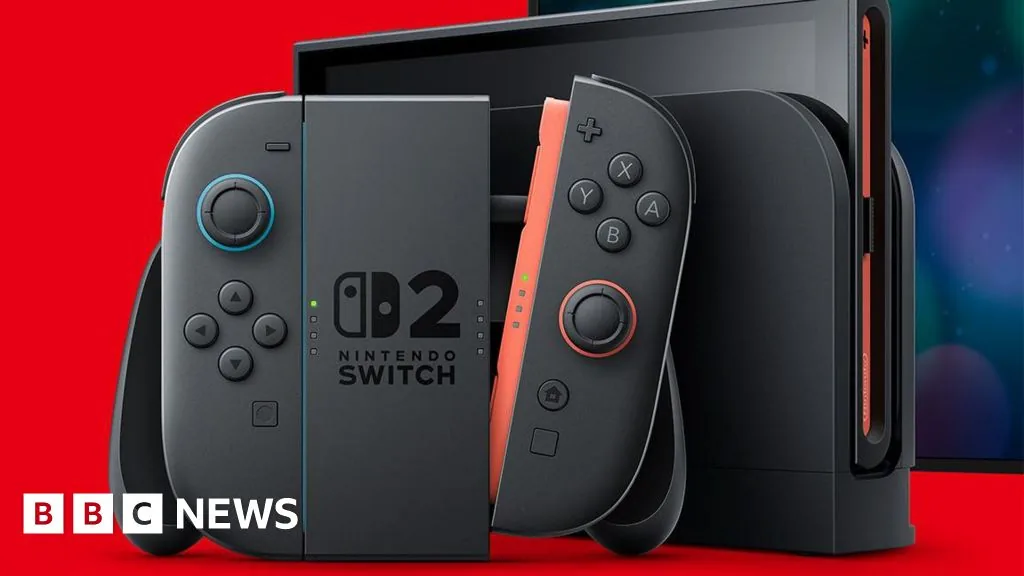
Nintendo announced Tuesday that the price of its popular Switch 2 console will increase worldwide starting in September. The adjustment will see the console's price rise from $449.99 to $499.99 in the United States and from €469.99 to €499.99 in most European countries. A revised price for the United Kingdom, where the Switch 2 currently retails for £395.99, will be confirmed at a later date, the company told BBC Newsbeat. Nintendo issued a "sincere apology" for the impending cost increase, attributing the decision to "changes in market conditions."
This marks the latest price adjustment among major console manufacturers. Sony recently implemented a further price increase for its PlayStation 5 console. Nintendo also revealed price changes for its home market in Japan, set to take effect later this month for both the Japanese-language Switch 2 and all original Switch models. Additionally, the company plans to raise subscription prices for its online services in Japan, where costs have traditionally been lower than in international markets.
"We sincerely apologize for the impact these price revisions may have on our customers and other stakeholders, and we deeply appreciate your understanding," a Nintendo spokesperson stated. The company also shared its latest sales figures, reporting nearly 20 million Switch 2 consoles sold since its launch in June. Nintendo achieved a profit of 424.0 billion yen (approximately $2.7 billion USD), a 52% increase over the previous fiscal year.
Supply Chain and Economic Factors Influence Pricing
The decision to increase the Switch 2 price appears to be influenced by a confluence of economic factors impacting hardware production. The cost of essential components like Random Access Memory (RAM) and storage has surged recently. This rise is partly driven by immense demand from artificial intelligence (AI) data centers, which has created shortages and inflated prices for these critical parts. Nintendo's pricing strategy may also be a response to external pressures, including former U.S. President Donald Trump's tariff plans that were announced around the time of the console's release. Analysts have also suggested that ongoing global uncertainties, such as geopolitical conflicts like the war in Iran, could disrupt supply chains and further escalate production costs.
The original Nintendo Switch, launched in 2017, has seen remarkable longevity, selling over 139 million units worldwide. The successor, the Switch 2, builds on this success with enhanced features, though specific details remain largely under wraps. Industry observers will be watching closely to see how consumers react to the increased price point for the new hardware. Historically, Nintendo has managed to maintain strong sales even with competitive pricing, but this latest hike occurs amidst a challenging economic climate and rising component costs for all technology manufacturers.