
Octopuses inspire search-and-rescue robots with squeeze ability
Scientists and roboticists are studying how octopuses squeeze through tiny spaces to design better search-and-rescue machines.

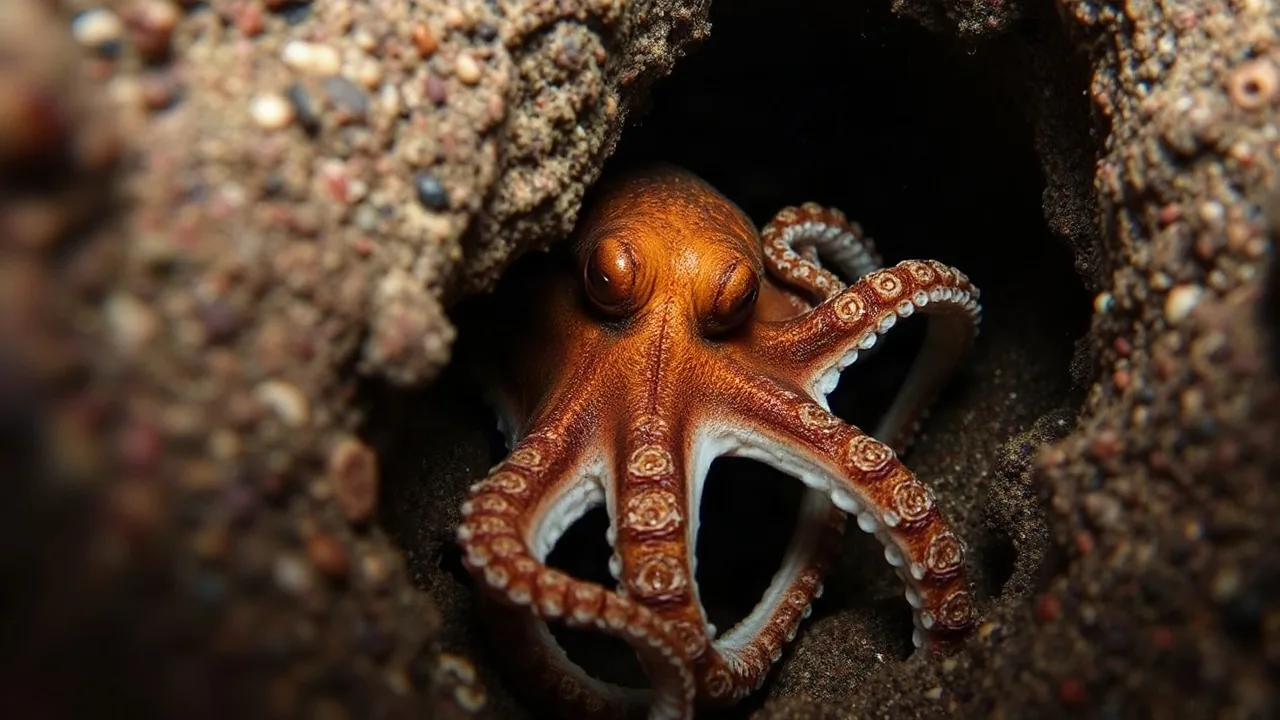
Marine animals long celebrated for their intelligence and dexterity are now inspiring a new approach to machine design. For aquarium professionals and laboratory researchers, containing these creatures has always presented a distinct challenge, as they can slip through openings that seem impossibly small. According to reports, octopuses utilize two specific strategies to compress their bodies through tight gaps.
This remarkable biological feat has caught the attention of engineers looking to improve disaster response technology. Wenci Xin, a roboticist at the National University of Singapore, views the animals as an ideal model for future mechanical systems. Traditional search-and-rescue robots are usually constructed in long and narrow forms to navigate confined environments.
Designing flexible rescue machines
Instead of relying on rigid, snakelike designs, Xin envisions machines that mimic the flexible and squishy nature of cephalopods. Such soft-bodied technology could potentially maneuver through unstable debris, collapsed structures, and other unpredictable disaster zones where traditional hardware struggles to operate.