
Sony AI Camera Assistant Faces Backlash Over Technical Glitches
Sony's new artificial intelligence camera assistant encountered widespread user complaints about misidentification errors and slow processing, forcing the company to acknowledge technical shortcomings in the gadget feature.

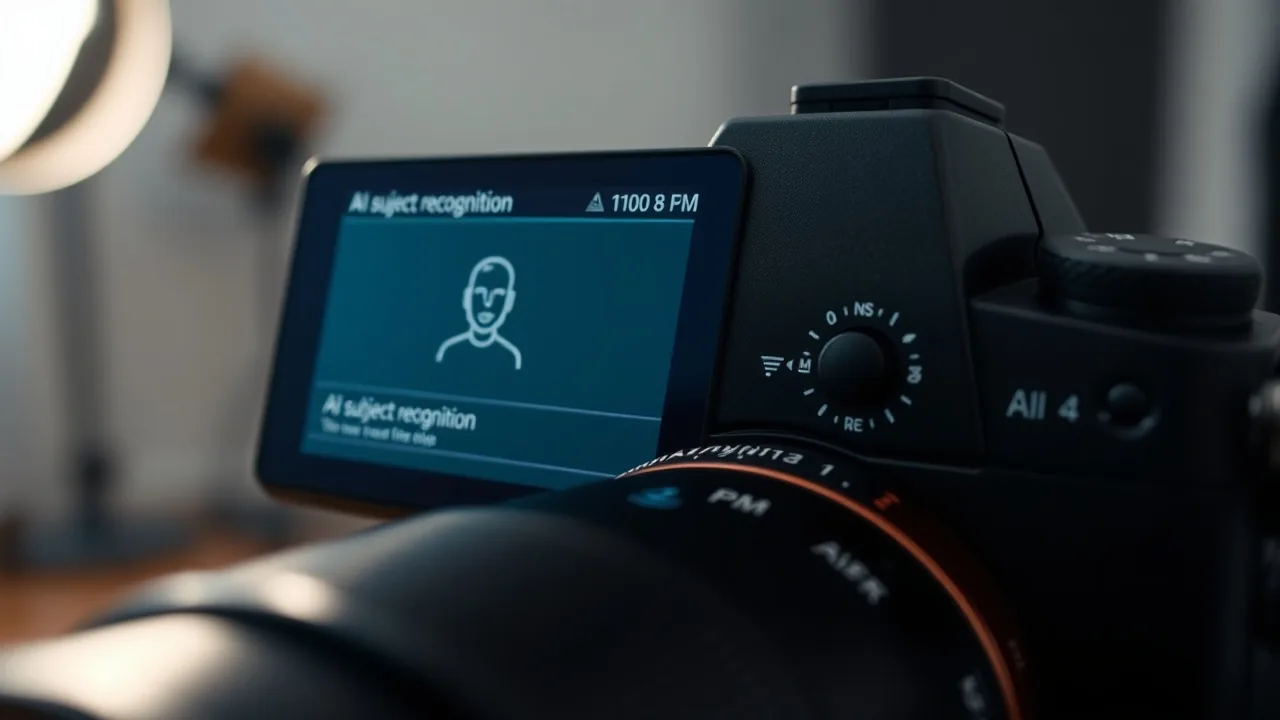
Sony rolled out its AI camera assistant feature across select camera models in May 2026, promising intelligent scene recognition and automated adjustment capabilities. Within days, user forums and social media filled with reports of the system failing to identify basic subjects, suggesting incorrect camera settings, and occasionally freezing during operation.
The backlash centers on Sony AI camera versions distributed through recent firmware updates to mirrorless and compact camera lines. Early adopters reported the feature struggled to distinguish between human subjects and animals, miscalculated optimal exposure in mixed lighting, and occasionally required a hard reset to restore normal camera function.
"We've been receiving substantial user feedback regarding the accuracy and responsiveness of the AI assistant," Sony spokesperson Hiroshi Tanaka told reporters on May 17. "We recognize the initial rollout did not meet our quality standards and are prioritizing a corrective update."
What Went Wrong
Technical analysis from independent camera reviewers identified several core issues affecting the feature's performance. The most frequently reported problems include:
- Incorrect subject classification in backlit conditions
- Delayed response times ranging from 2 to 8 seconds when processing scenes
- Inability to recognize text or QR codes in macro photography mode
- Inconsistent white balance adjustments across consecutive shots
Users on photography forums noted the artificial intelligence system appeared to confuse skin tones in certain lighting scenarios, raising concerns about bias in the training dataset. One user, Portland-based photographer Marcus Chen, documented 47 consecutive test shots where the system failed to properly identify his subject's face before suggesting a manual override.
Sony's initial firmware release allocated approximately 512 megabytes of processing memory to the AI model. Industry analysts suggest this constraint may have forced compression of the neural network, reducing its accuracy on edge cases that the training data did not heavily feature.
Consumer and Expert Reaction
The gadget backlash expanded beyond camera enthusiasts. Photography influencers on YouTube and Instagram posted video demonstrations showing the feature's failures. Some content creators disabled the assistant entirely, recommending subscribers avoid enabling it until Sony released fixes.
"This is a reminder that bundling AI into hardware before the technology is mature creates real frustration for paying customers," said Dr. Elena Rodriguez, computational imaging researcher at Stanford University, in a statement to press. "The enthusiasm for AI integration outpaced the engineering discipline needed to deliver a working product."
Online retailers reported a spike in one-star reviews for Sony's latest camera models, with many complaints specifically citing the problematic AI assistant. Some retailers offered discounts or extended return windows to manage customer dissatisfaction.
Photography trade publications including DPReview and LensRentals issued guidance suggesting users revert to manual mode or disable the AI feature until Sony published a corrective patch. This recommendation raised questions about whether Sony should have delayed the feature's public release.
Sony's Response and Path Forward
On May 18, Sony announced it would release an interim firmware update within 10 business days. The company committed to retraining portions of its AI model using expanded datasets and increasing allocated memory for processing. A second, more comprehensive update was scheduled for Q3 2026.
Sony also opened a dedicated support page for the tech news and announced it would offer affected customers a credit toward future accessory purchases. The gesture did little to quell criticism that the feature should have undergone more rigorous testing before public release.
This incident reflects broader industry tensions around deploying consumer electronics with AI features. Manufacturers face pressure to launch cutting-edge capabilities quickly, yet face reputational damage when the technology underperforms. Sony's experience suggests the photography sector is unlikely to tolerate half-baked artificial intelligence integration.
The company's handling of the backlog will likely influence customer confidence in future AI-enabled camera features from Sony and competitors, setting an expectation that smartphone features and camera automation must work reliably before reaching users' hands.