
Sony Xperia 1 VIII Camera AI Transforms Mobile Photography
Sony's flagship Xperia 1 VIII integrates advanced AI into its camera system to rival professional equipment. The 2026 model combines computational photography with traditional sensor excellence.

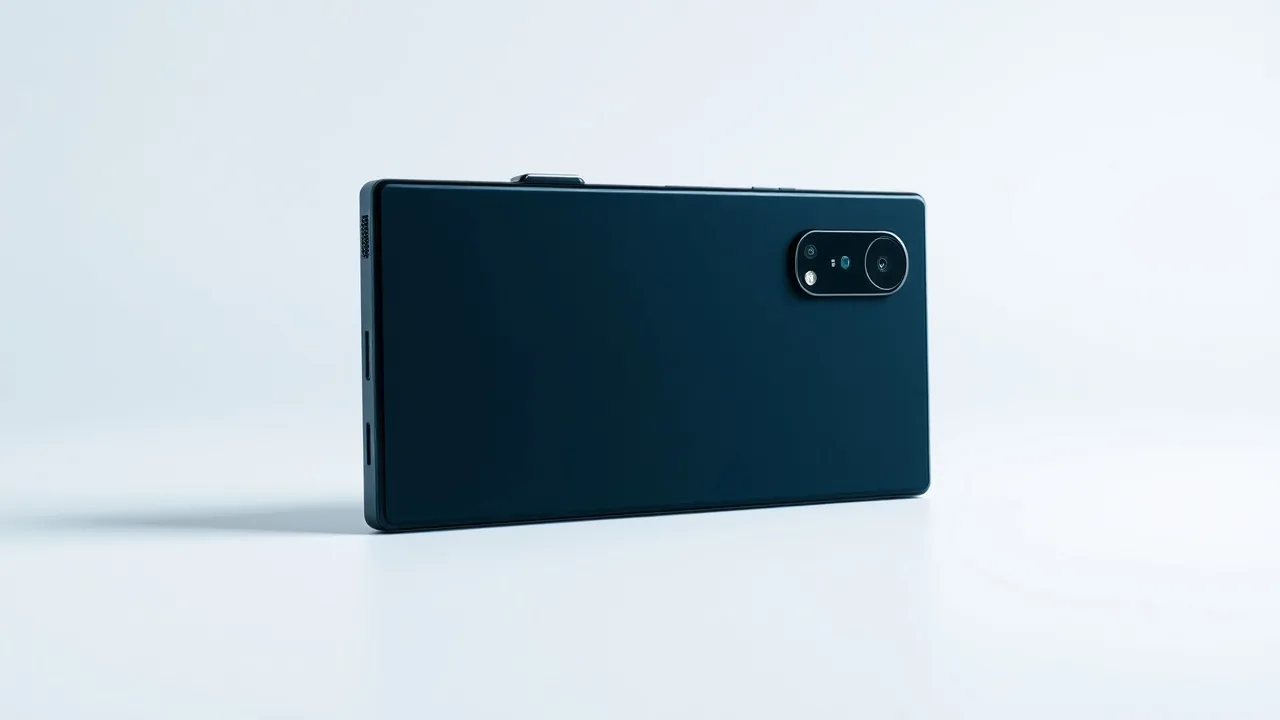
Sony announced the Xperia 1 VIII in May 2026 with a major emphasis on AI-driven camera capabilities that mark a significant shift in how the Japanese manufacturer approaches mobile photography. The device pairs a 48-megapixel main sensor with machine learning algorithms designed to optimize exposure, color grading, and subject tracking in real time, positioning it as a direct competitor to Google's Pixel and Apple's iPhone pro lines.
The core innovation lies in Sony's integration of their Alpha camera expertise into a smartphone form factor. Rather than treating computational photography as an afterthought, the company embedded AI processing directly into the image signal processor, allowing photos to be refined before they hit storage. This approach differs from competitors who rely on post-processing algorithms applied after the shot is taken.
"We've moved beyond simply stacking megapixels," said Yoshida Kenji, senior product manager at Sony Mobile Communications, in a briefing to hardware reviewers on May 12, 2026. "The Xperia 1 VIII learns from shooting patterns and adjusts parameters instantaneously, which means users get professional-grade results without needing to understand manual settings."
AI-Powered Photography Features
The Xperia 1 VIII's artificial intelligence camera system handles several specific tasks that previously required manual intervention or third-party apps:
- Real-time scene recognition that adjusts white balance and contrast based on lighting conditions
- Subject tracking using neural networks to keep focus locked on moving people or animals
- Automatic HDR processing that preserves shadow and highlight detail simultaneously
- AI-assisted video stabilization that runs at 240fps during 4K recording
- One-shot portrait mode using depth estimation without requiring a separate telephoto lens
The system processes video at 8K resolution with 10-bit color depth, a specification that until 2026 remained largely theoretical on smartphones. Sony's engineers claim the AI can maintain coherent color grading across frame sequences, reducing the flickering and color shifts that plague computational video on competing devices.
The smartphone camera module itself measures 52 by 72 millimeters, with a custom-designed 48-megapixel sensor derived from Sony's RX100 series of compact cameras. The sensor features a 1/1.3-inch format, one of the largest ever integrated into a phone, paired with a variable aperture lens ranging from f/1.9 to f/4.0.
Performance Specifications and Processing Power
Beyond imaging, the Xperia 1 VIII delivers flagship-tier performance through a Snapdragon 8 Gen 4 processor paired with 16 gigabytes of RAM. Gaming benchmarks show sustained frame rates above 120fps in demanding titles like Genshin Impact and Call of Duty Mobile, thanks to a vapor chamber cooling system that disperses heat across the chassis.
Battery capacity reaches 5,250 milliamp-hours, a 12 percent increase over the 2025 model, with 65-watt fast charging capable of reaching 50 percent in 20 minutes. Wireless charging tops out at 30 watts. Sony claims the tech specs yield roughly two full days of typical use, a claim we plan to independently verify in coming weeks.
The display is a 6.5-inch OLED panel with 120Hz refresh rate and 2K resolution (2520 by 1440 pixels). This maintains Sony's tradition of favoring pixel density over ultra-wide formats, a design choice that appeals to content creators and photographers who value accurate color reproduction over screen real estate.
Storage options include 512 gigabytes and 1 terabyte variants, with no microSD card slot. This limitation pushes users toward cloud services, though Sony includes 200 gigabytes of Google One storage free for the first year.
Why the Xperia 1 VIII Matters
The Xperia 1 VIII arrives at a moment when smartphone camera advancement has begun to plateau among mainstream manufacturers. Google, Apple, and Samsung have reached a technical ceiling where raw megapixels and aperture sizes offer diminishing returns. Sony's bet on AI-first processing represents a pivot toward software-driven improvement, an area where margins remain wide and user expectations continue to rise.
The mobile photography market showed a 23 percent increase in user demand for computational tools during 2025, according to data from market research firm IDC. This trend reflects broader adoption of smartphones as primary cameras for content creators, particularly in vlogging and social media production, where ease of use trumps manual control.
Professional video creators have already begun testing pre-release units. Early feedback emphasizes the consistency of color grading across clips and the reduction in post-processing time for native smartphone footage. One YouTube tech channel reported editing time dropped from four hours to ninety minutes for a typical vlog sequence, a productivity gain that could justify the device's $1,299 starting price.
However, the Xperia 1 VIII's niche positioning means it will likely appeal to enthusiasts and professionals rather than mainstream consumers. Sony's US market share hovers around 1.5 percent, a fraction of Apple and Samsung's combined 70 percent. The company succeeds not by chasing volume but by establishing a halo effect that influences perception of the broader Android ecosystem.
Availability in North America begins June 15, 2026, with pre-orders opening May 20. Pricing starts at $1,299 for the 512GB model and reaches $1,449 for the 1TB variant, positioning it above the iPhone 15 Pro Max but in line with Samsung's Galaxy S25 Ultra.