
Data Center GPU Lifespans Dramatically Shorter Than Gaming Cards
Data center GPUs, essential for AI, last only 1-3 years due to constant high utilization and heat, significantly less than gaming GPUs which can last up to eight years with maintenance.

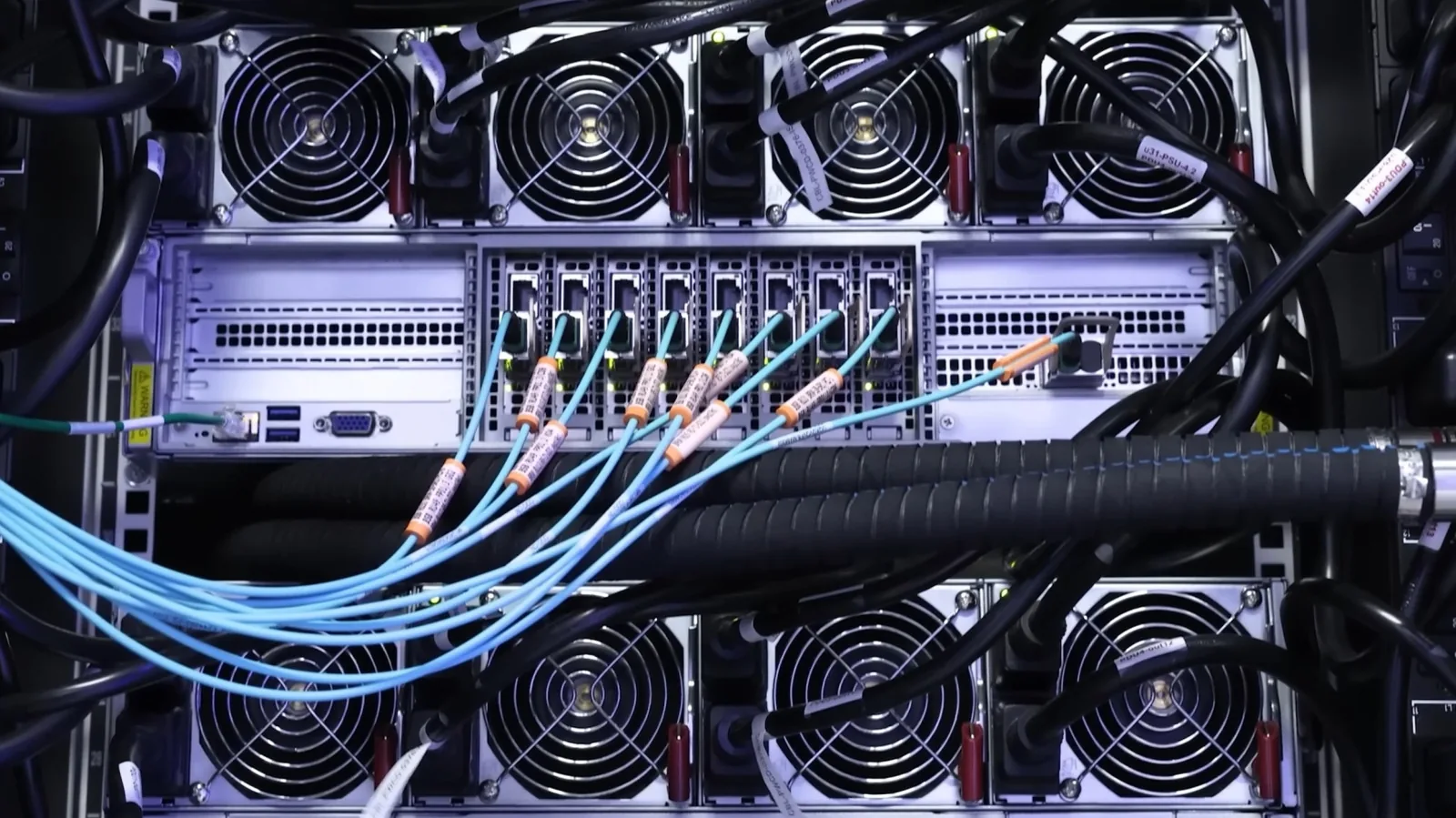
The relentless demand for artificial intelligence is putting an unprecedented strain on specialized computer hardware, particularly Graphics Processing Units (GPUs) within data centers. These powerful processors, also coveted by gamers and graphics professionals, are being consumed at an alarming rate, with their operational lifespans dramatically shortened compared to consumer-grade cards. An anonymous AI architect at Google revealed that data center GPUs under heavy load can degrade and fail within as little as one to three years. This accelerated wear and tear is attributed to their constant state of high utilization, exposure to excessive heat, and often insufficient maintenance protocols.
Even GPUs in data centers with lower usage rates typically do not exceed a five-year lifespan. In stark contrast, a gaming GPU, when subjected to regular care and maintenance, can remain functional for up to eight years. While the average gamer does not operate their hardware 24/7 with the same intensity as a data center, the disparity highlights a significant difference in hardware longevity. Companies operating these massive AI infrastructure hubs are essentially burning through GPUs multiple times faster than even the most dedicated individual users.
The Scale of GPU Consumption
The newest generation of "gigawatt data centers" are increasingly being outfitted with hundreds of thousands of GPUs. If each of these GPUs has an average lifespan of three years or less, a single facility could necessitate the replacement of over 300,000 units during the time a typical home gaming PC might only require one. This presents a substantial challenge for tech companies aiming to scale their AI operations sustainably. The core function of a data center is to store and process vast amounts of data, a task that is only expected to grow in importance in our increasingly data-driven world. Replacing such a high volume of expensive hardware every few years is becoming an impractical and costly endeavor, prompting a search for more sustainable solutions.
Google is exploring alternatives like its Tensor Processing Units (TPUs), specialized accelerators designed specifically for large-scale AI workloads. According to Amin Vahdat, Google's Chief Technologist for AI Infrastructure, the company's seven and eight-year-old TPUs are still operating at 100% utilization, demonstrating a potential for longer-lasting, task-optimized hardware. Innovations in cooling technology are also playing a role. For instance, Nvidia's liquid-cooled data centers operate at precise temperatures that allow processors to maintain peak performance without accelerated degradation. Addressing the issue of GPU lifespan is crucial for the future development of AI infrastructure. Without improvements in efficiency and hardware longevity, the rapid consumption of these components could lead to continued price volatility and supply chain issues for consumer markets. The race is on to find more sustainable and cost-effective ways to power the AI revolution.