
Google Rolls Out AI Upgrades for Android, Anticipating Apple's Siri Push
Google announced significant AI advancements for its Android 17 operating system, including enhanced Gemini capabilities and creator tools. These updates arrive just weeks before Apple is expected to reveal its own AI enhancements for iOS and Siri.

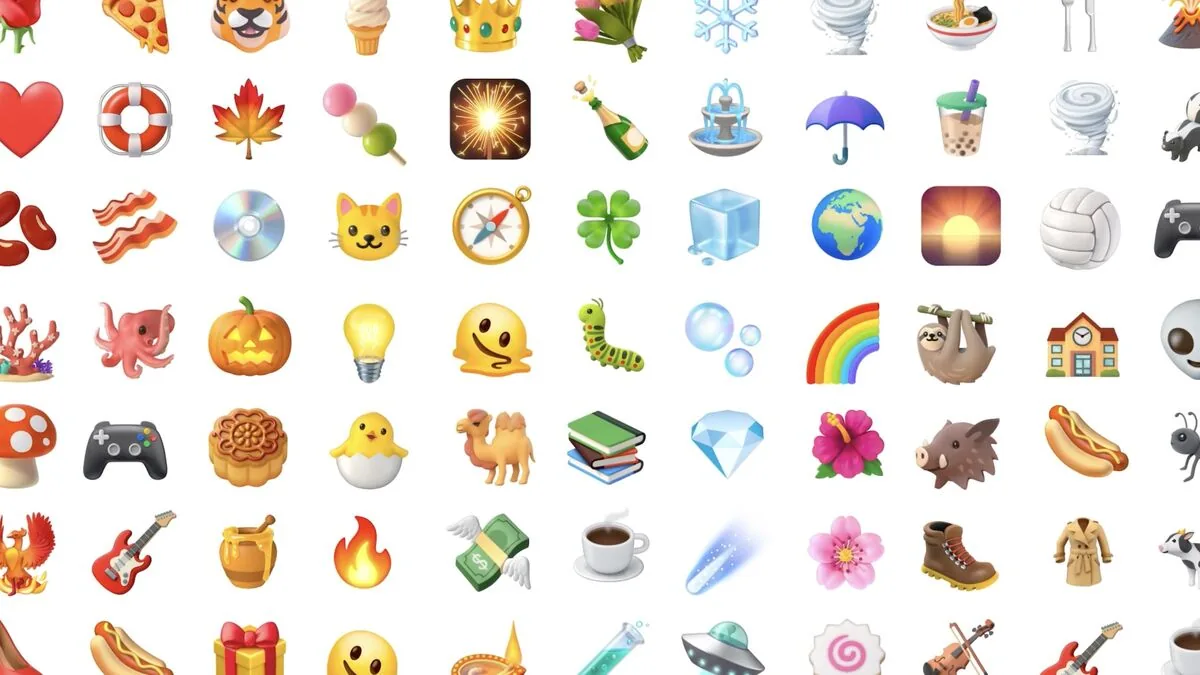
Alphabet Inc.'s Google has unveiled a wave of new features for its upcoming Android 17 operating system, spotlighting advancements in artificial intelligence. The announcements, made on Tuesday, come several weeks before rival Apple Inc. is expected to introduce substantial upgrades to its iOS platform and AI technologies, including a revamped Siri. The Android updates also include a new "Googlebook" laptop platform, enhanced capabilities for the company’s Gemini AI assistant, redesigned emoji, and tools aimed at creators who regularly share video content on platforms like Meta Platforms Inc.'s Instagram.
The new features aim to make Android devices more intuitive and helpful, integrating AI more deeply into daily tasks. Google’s Gemini AI, which powers many of these new capabilities, will offer more conversational and context-aware interactions, allowing users to perform complex actions with simple voice commands. For content creators, the improvements focus on streamlining the video creation and editing process directly on mobile devices, potentially reducing the reliance on desktop software for quick social media uploads.
AI Integration and Creator Tools
Central to the Android 17 update is the expanded role of AI. Google emphasized how Gemini will be more proactive, anticipating user needs and offering relevant information or actions without explicit prompting. This includes features like summarizing lengthy conversations, drafting emails based on brief notes, and even assisting with coding tasks. "Our goal is to make the Android experience more intelligent and seamless, empowering users to do more with their devices," said a Google spokesperson during the announcement event.
The redesigned emoji system is also a notable change, offering more nuanced expressions and customization options. For creators, Google highlighted new video editing tools built directly into the camera app, allowing for real-time effects, improved stabilization, and faster rendering. These enhancements are designed to compete with the advanced creative suites available on other platforms and to keep Android users engaged with popular social media trends. The company also teased improved integration with third-party apps, making it easier to share content across different services.
This strategic move by Google positions Android as a strong contender in the evolving landscape of mobile AI. As the tech industry increasingly focuses on AI-driven user experiences, these updates signal Google's commitment to staying ahead. The company hopes these advancements will not only enhance the user experience on Android devices but also attract new users and retain existing ones, particularly in the creator economy.
The timing of Google's announcement is clearly strategic, aiming to capture market attention before Apple's expected unveiling of its own AI-focused updates. Apple's Siri has long been a subject of user feedback regarding its capabilities compared to rivals, making the upcoming WWDC event a crucial moment for the company to demonstrate progress. Google's proactive release of new Android AI features could set a benchmark and influence user expectations for what AI assistants can and should do on smartphones.
Beyond AI and creator tools, Google also introduced the "Googlebook," a new laptop platform that integrates deeply with the Android ecosystem. While details were sparse, the company suggested it would offer a seamless experience for users who switch between their Android phones and laptops, further solidifying Google's hardware and software strategy. The company plans to roll out these Android 17 features later this year, with developer previews expected soon.