
Googlebook Laptops Debut: Premium Chromebook Alternative for Android Users
Google is launching "Googlebook," a new line of premium laptops that aim to bridge the gap between Android and ChromeOS. These devices promise enhanced integration with Android smartphones and AI features.

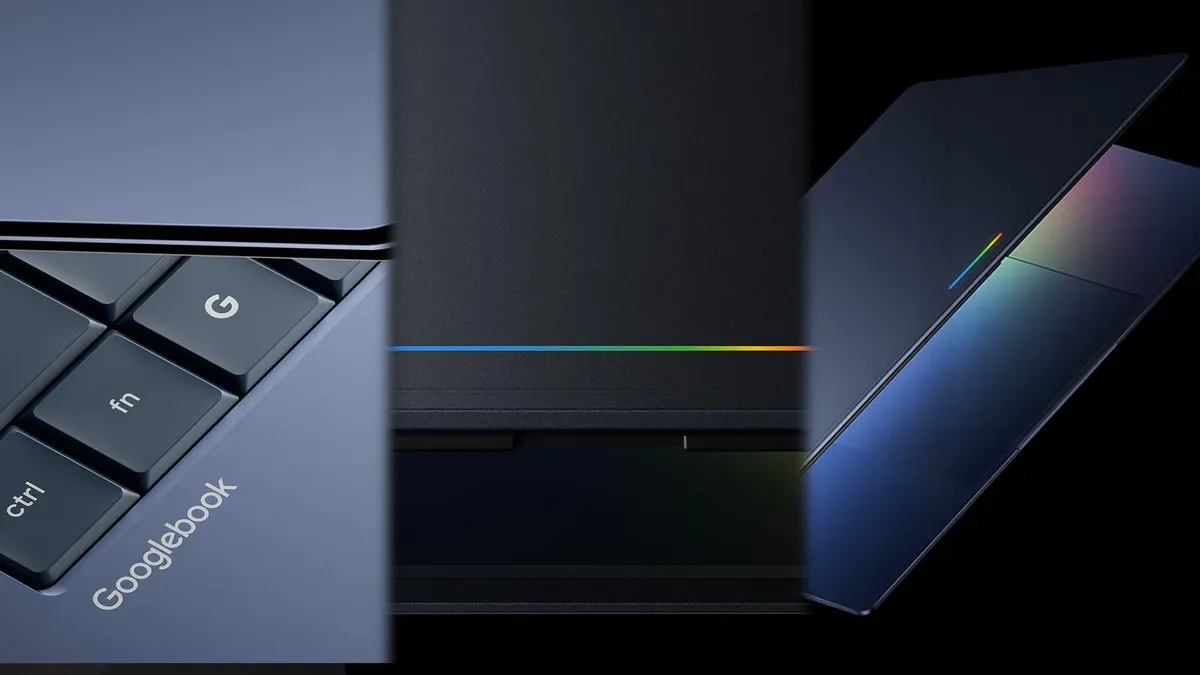
Google has officially announced "Googlebook," a new category of laptops set to launch this fall, designed to offer a premium experience and deeper integration with the Android ecosystem. This new line aims to merge the functionalities of ChromeOS and Android into a unified operating system, potentially creating a more seamless experience for users who rely heavily on their smartphones. The announcement comes as Google prepares for its annual developer conference, Google I/O, scheduled for May 19, where more details are expected to be unveiled.
The introduction of Googlebook represents a strategic move by Google in the increasingly competitive laptop market. It appears to be a direct response to the growing consumer demand for devices that offer strong inter-device connectivity, a trend exemplified by Apple's recent offerings like the $599 MacBook Neo. Google's strategy with Googlebook involves delivering higher-quality hardware powered by a unified OS that leverages its latest AI engine, Gemini Intelligence, to enhance user experience and offer competitive features.
Enhanced Android Integration and AI Capabilities
A key selling point for the new Googlebook devices will be their native support for Android applications, allowing users to run phone apps directly on their laptops without requiring separate downloads. This feature is further enhanced by the "Cast My Apps" functionality, which enables seamless app mirroring from a smartphone to the Googlebook. This aims to replicate the fluid integration seen between Apple's devices, making it easier for users to stay within the Google ecosystem.
Beyond app integration, Googlebook will incorporate advanced AI features powered by Gemini Intelligence. Examples include "Create My Widget," an AI tool that generates custom widgets for the Googlebook's desktop based on natural language prompts, such as creating a detailed itinerary for a family vacation. Furthermore, Google is improving cross-device file sharing with a new "Quick Share" feature, designed to be compatible with Apple's AirDrop, allowing easy transfer of photos, videos, and files between devices. This feature will initially be available on Google Pixel phones, with wider support for other Android manufacturers planned.
According to Alexander Kuscher, senior director of tablets and laptops at Google, the company is committed to integrating these new AI capabilities across its product lines. "The idea here is to bring native support for Android apps to the laptop experience on Googlebook, including the new overarching AI engine, Google Intelligence," Kuscher stated. This push towards AI-driven features aims to make the devices more intuitive and personalized for users.
Despite the excitement around Googlebook, Google has emphasized that traditional Chromebooks are not being discontinued. The company has committed to supporting software updates for existing Chromebooks until at least 2034. This assurance is crucial for the millions of Chromebook devices currently in use in educational institutions, businesses, and by consumers worldwide, alleviating concerns about obsolescence. Kuscher confirmed, "Chromebooks are not dead," acknowledging the significant installed base and the practical need to support them.
While specific hardware specifications for the new Googlebook models are yet to be announced, Google has confirmed that premium devices will be available from manufacturers including Acer, Asus, HP, Dell, and Lenovo. A distinctive design element revealed is the "Glow bar," an LED light strip on the back of each Googlebook, intended to serve as a unified design language across the new product line. As the launch approaches, consumers can anticipate manufacturers unveiling their specific Googlebook models starting this summer, with the devices hitting the market in the fall.