
Google's Pixel Event: Trevor Noah Hosts Modest Upgrades Amid AI Focus
Google unveiled its latest Pixel devices, including the Pixel 11 and Pixel Watch 5, at a New York event hosted by Trevor Noah. The upgrades are modest, with a strong emphasis on integrating Gemini AI into the user experience.

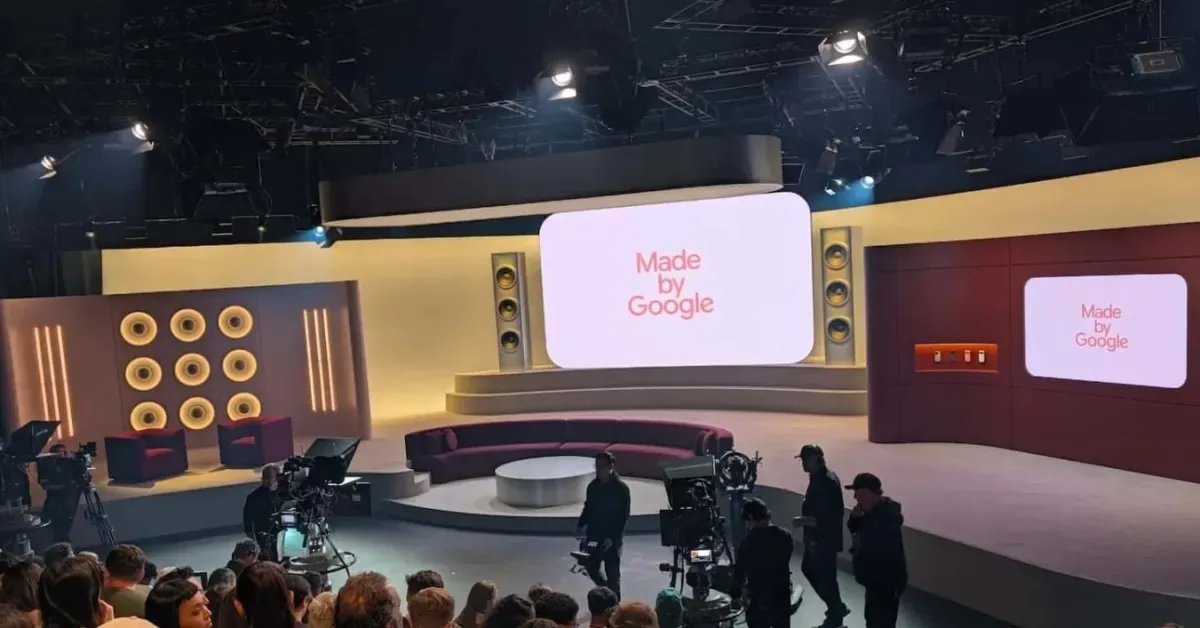
New York, NY – Google hosted its annual Made by Google hardware event on August 13, 2026, in New York City, showcasing its latest Pixel smartphone and smartwatch lineup. Comedian Trevor Noah helmed the presentation, which highlighted the integration of Google's Gemini artificial intelligence across its devices, though the hardware itself represents a more measured evolution rather than a radical leap.
The event, a departure from the typical Silicon Valley keynote format, aimed to position the Pixel brand as a mainstream contender. Rick Osterloh, head of Google's hardware division, emphasized the transformative potential of AI, stating, "This is a huge change in how we use phones and watches every day right now. And we’re also using Gemini to reimagine devices that people have taken for granted for years, things like laptops, smart speakers, TVs and in cars." The presentation featured a mix of Google executives and various celebrities and athletes, including Alex Cooper and Steph Curry, who attempted to amplify the product messaging.
While the production quality and humor, guided by Noah's stand-up background, were noted improvements over the previous year's event, the core message revolved around incremental hardware advancements powered by AI. The newly announced Pixel 11 starts at $899, with the Pixel 11 Pro beginning at $1,099, offering enhanced Gemini capabilities. The Pixel Watch 5 also made an appearance, focusing on subtle improvements to its user interface and functionality.
Gemini AI Takes Center Stage
The strategy underpinning the new Pixel devices is a deep integration of Gemini AI. Google executives stressed that Gemini is not just an add-on feature but a fundamental reimagining of how users interact with their devices. From proactive assistance on the Pixel 11 to enhanced health tracking on the Pixel Watch 5, the AI aims to make devices more intuitive and personalized. This push signifies Google's commitment to competing at the forefront of the AI race, particularly against rivals like OpenAI and Anthropic, whose own AI advancements have set a high bar.
The company's internal focus on AI development has been intense. Reports suggest that Google co-founder Sergey Brin personally urged key staff to prioritize Gemini's development, leading to a strategic reshuffling of teams, with some shifting from DeepMind to the core Google AI division. This internal drive underscores the strategic importance of Gemini for Google's future hardware and software ecosystem. The ambition is to make Google's hardware indispensable by embedding advanced AI that learns and adapts to user needs.
However, the question remains whether these AI-driven enhancements, coupled with the modest hardware upgrades, will be enough to capture a significant share of the mainstream market. Historically, the Pixel line has struggled to achieve the widespread adoption of its competitors, despite critical acclaim for its camera technology and software experience. This year's event, while more polished, did little to suggest a dramatic shift in consumer perception, leaning heavily on celebrity endorsements and a slick presentation to bridge the gap.
Beyond the Pixel announcements, the tech world has been buzzing with other significant developments. Honor finally launched its long-anticipated gimbal camera phone, priced around $1,500, offering a unique mobile photography experience. Amazon's decision to train AI models on Twitch streamer content by default, requiring an opt-out, also sparked discussion. Additionally, OpenAI's xAI released Grok 4.6, claiming intelligence levels comparable to advanced models from OpenAI and Anthropic, though its naming convention has drawn criticism.
The broader AI landscape continues to evolve rapidly. Apple is reportedly in talks with publishers to enhance Siri's ability to access real-time news, mirroring strategies employed by AI companies like Perplexity and OpenAI. Meanwhile, former Google executives are reportedly in discussions to launch AI startups valued at up to $10 billion, indicating sustained investor confidence in the sector.