
Microsoft Consolidates Copilot Apps, Discards Underperforming AI Features
Microsoft is merging its consumer and business Copilot apps and retiring several AI features, including Group Chats and AI-generated podcasts, by August 18, 2026. This move aims to simplify its AI strategy and compete better with rivals.

Microsoft is streamlining its artificial intelligence offerings by merging its separate consumer and business Copilot applications and discontinuing several underperforming AI features. This strategic shift, confirmed by Microsoft's support documentation, acknowledges the overlap between personal and professional AI use cases and addresses the complexity of its previous approach, which struggled to position Copilot as a direct competitor to established AI models like ChatGPT, Claude, and Gemini.
The consolidation reflects a broader trend within the AI app sector, where companies are integrating functionalities to enhance user experience and market position. Competitors such as Anthropic have merged Cowork into Chat, OpenAI integrated its Operator feature into ChatGPT, and Google has bolstered its Gemini app with advanced research and web browsing capabilities. Microsoft’s decision aims to simplify its AI ecosystem and present a more unified front in the rapidly evolving AI landscape.
AI Feature Sunset and Feature Replacements
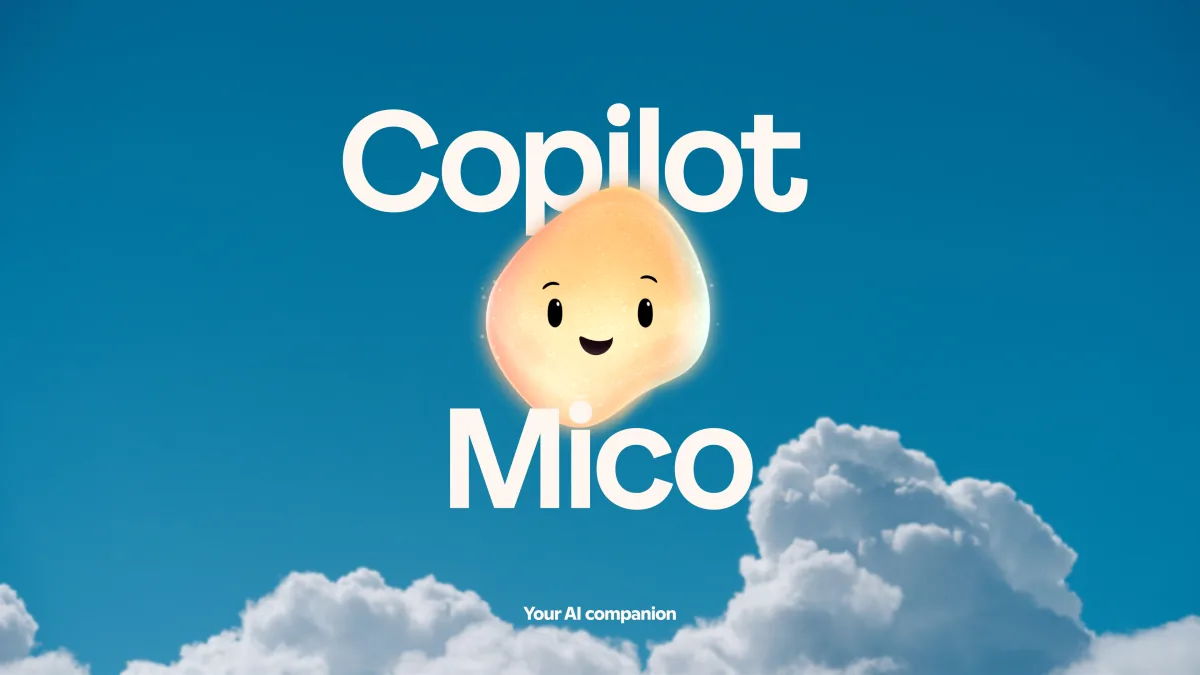
By August 18, 2026, users will see the removal of several features from the standalone Copilot app. These include Group Chats, AI-generated podcasts, Copilot Labs experimental features, and the Deep Research function. For paying professional users, the Researcher tool is expected to provide a comparable alternative to Deep Research. Additionally, Microsoft is retiring Mico, the animated character designed to represent Copilot, a move that signals a departure from anthropomorphic AI assistants and a focus on core functionality. The company has cautioned that other features might be temporarily unavailable during the transition period, and files created with the distinct Copilot app will be transferred to OneDrive for safekeeping.
This consolidation is a significant step for Microsoft, which two years ago heralded AI as a “generational shift” it intended to lead. The company's initial strategy involved distinct apps for different user segments, but this proved too complex and diluted the brand's impact. By merging the apps, Microsoft seeks to create a more cohesive user experience and leverage its AI development more effectively.
The decision to retire features like AI-generated podcasts and Deep Research indicates a pragmatic approach to product development, prioritizing those AI capabilities that demonstrate tangible value and user engagement. The AI market is intensely competitive, with significant investments from major tech players. Microsoft's move is designed to improve its standing against rivals who have already begun consolidating and refining their AI product suites.
The broader implications of this move suggest a maturing AI market where simplification and efficacy are becoming paramount. As users become more accustomed to AI tools, the demand shifts from novelty to utility. Microsoft's strategic pivot with Copilot demonstrates an adaptation to these evolving user expectations and market dynamics. The company is betting that a unified, streamlined AI assistant will ultimately prove more successful than a collection of disparate, experimental features.