
OnePlus Exits US, Europe as Oppo Restructures
OnePlus is reportedly ceasing operations in the US and Europe this week as part of a larger restructuring by parent company Oppo. Realme is also set to exit the Chinese market.

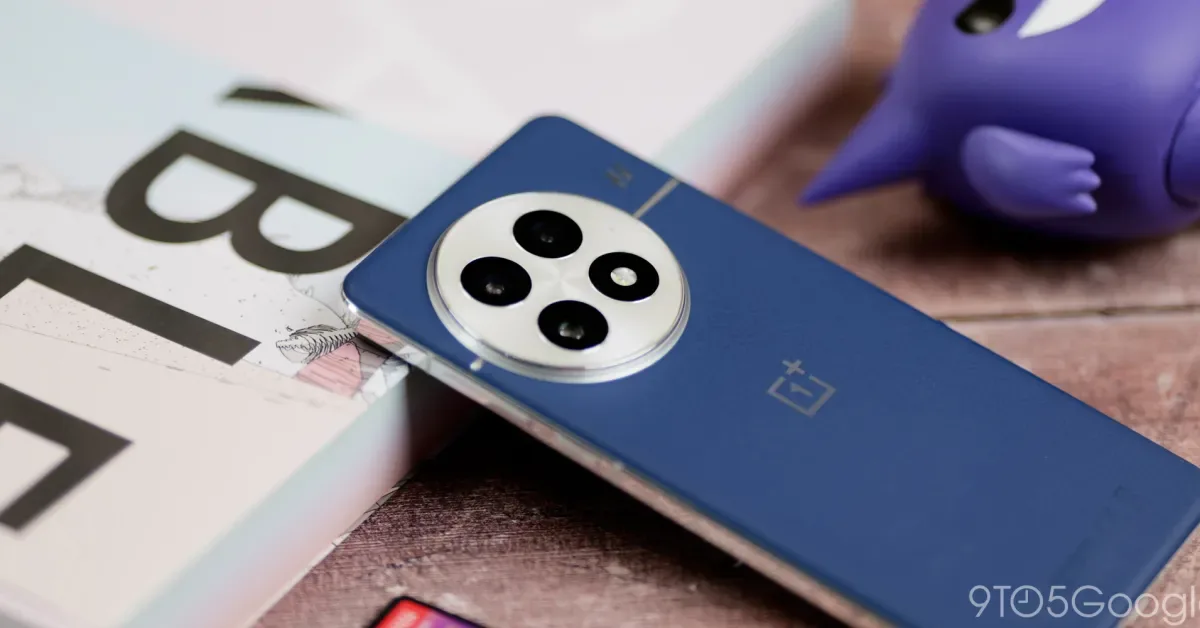
OnePlus is reportedly set to cease operations in the United States and Europe as early as this week, a significant development stemming from a broad restructuring effort by its parent company, Oppo. This move, detailed in a recent Bloomberg report, signifies a major shift for the smartphone brand, which has cultivated a dedicated following in these key markets. The restructuring also involves other Oppo-affiliated brands, with Realme slated to exit the Chinese market.
The strategic realignment is driven by Guangdong Oppo Mobile Telecommunications Corporation Ltd., the parent entity overseeing these brands. According to sources familiar with the private plans, Oppo aims to consolidate its market presence. While OnePlus will wind down its activities in the US and Europe, it is expected to maintain operations within China. However, the brand's global withdrawal is planned to extend to India at some point in 2027. Meanwhile, Realme, another prominent mobile business under the Oppo umbrella, will discontinue its presence in China.
Oppo Focuses on Central Europe, Realme Targets Nordics
As part of this strategic pivot, Oppo intends to concentrate its marketing and product development efforts on central European markets. Concurrently, Realme is being repositioned to target the Nordic region. This geographical refocusing suggests a deliberate attempt by Oppo to streamline its global strategy and allocate resources more effectively. The timing of the official announcements remains unconfirmed, but the ongoing operational changes indicate an imminent public disclosure.
The implications of these reported shutdowns are considerable for consumers and the competitive landscape of the smartphone industry. OnePlus, known for its performance-oriented devices and user-friendly OxygenOS, has built a strong community. The discontinuation of its services in major Western markets leaves a void for enthusiasts who have come to rely on its offerings. Similarly, the exit of Realme from China, a fiercely competitive and vast market, signals a significant strategic decision by Oppo. Industry analysts suggest that this move could be an attempt to streamline operations and avoid direct competition within its home market while focusing on expanding brand influence in other regions.
The broader context of this restructuring involves the evolving dynamics of the global smartphone market. Increased competition, shifting consumer preferences, and the high cost of research and development necessitate strategic adjustments for major players. Oppo, like other manufacturers, is navigating these challenges by optimizing its brand portfolio and market penetration strategies. The decision to cease operations in specific regions for OnePlus and Realme appears to be a calculated move to enhance overall profitability and market share for the Oppo group.
The future of operating systems like OxygenOS and Realme UI, which have distinct user bases, also comes into question. Reports suggest that these UIs may eventually be discontinued as part of the integration process, potentially pushing users towards Oppo's native software. This consolidation could lead to a more unified software experience across Oppo's brands, but it also risks alienating users who prefer the unique characteristics of OxygenOS or Realme UI. The move also prompts speculation about which brands might fill the gap left by OnePlus in the US and European markets.