
Windows 10 Security Updates Extended Free Through October 2027
Microsoft is offering free security updates for Windows 10 until October 2027. Users can enroll via a Microsoft account, with European residents qualifying automatically.

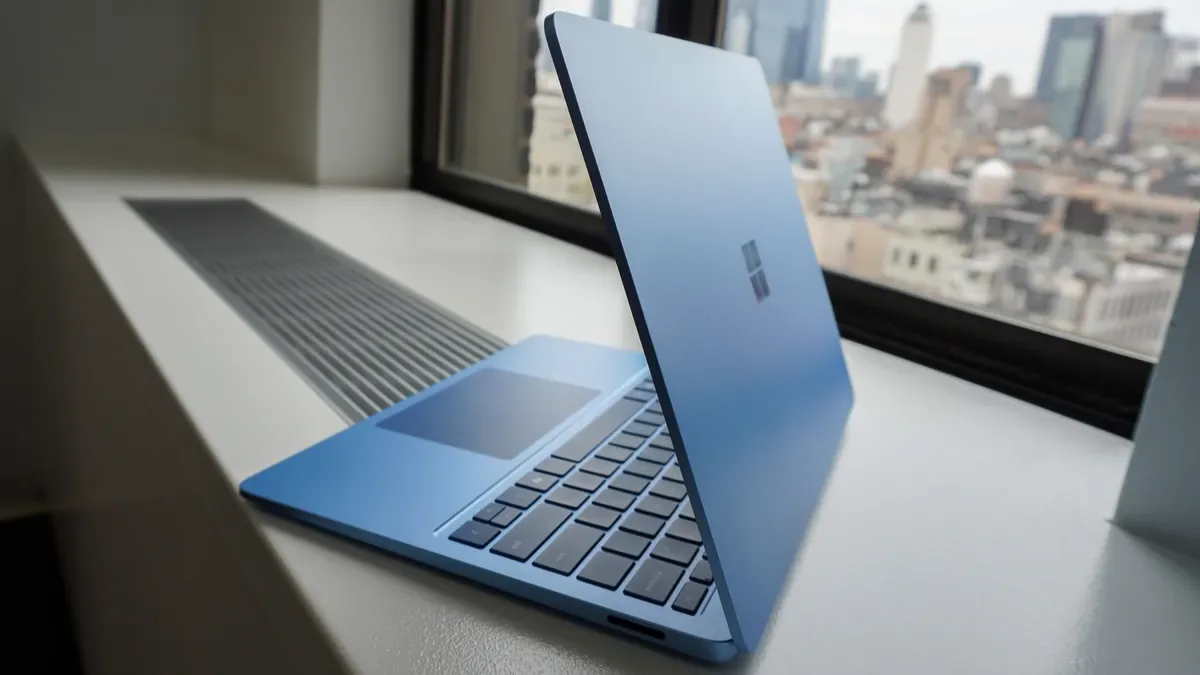
Microsoft has extended free security updates for Windows 10 PCs through October 12, 2027, offering users a crucial lifeline beyond the operating system's original end-of-support date. This extended coverage, previously slated to end in October 2026, now provides an additional year for users to transition or continue using their existing hardware without compromising security.
The Extended Security Updates (ESU) program, initially introduced with a $30 annual fee for Windows 11 users, has been made accessible for free to personal Windows 10 users. To qualify for these free updates on personal devices, users must enroll through a Microsoft account. Once activated with a single Microsoft account, eligibility can be extended to up to 10 PCs by signing in to each with the same account. This security patch provision is available for Windows 10 versions 22H2, including Home, Professional, Pro Education, and Workstation editions, provided the latest cumulative update is installed.
Qualifying for Free Extended Security Updates
To obtain the free ESU subscription, users generally need to sign in with a Microsoft account during the enrollment process. The setup is integrated into the Windows Update settings, where an "Enroll now" option initiates the wizard. For users already signed in with a Microsoft account and utilizing Windows Backup to sync settings to the cloud, the enrollment can be seamless. Alternatively, users can opt to redeem 1,000 Microsoft Rewards points or, in some cases, may face the $30 charge if other free options are not met. This initiative targets personal use, with commercial devices joined to an Active Directory domain or managed by Mobile Device Management software being ineligible for the free program.
A significant exception to the Microsoft account requirement exists for customers in the European Economic Area (EEA). Individuals in any of the 30 EEA countries automatically qualify for free ESU subscriptions without any need for additional steps or account linkage, a move confirmed by both the Euroconsumers Group and Microsoft. This broad availability aims to support millions of users who may not yet be ready to upgrade their hardware to meet Windows 11 compatibility requirements.
Enterprise and business customers are not included in this free offering. Commercial organizations must enroll through the Microsoft Volume Licensing Program or Cloud Service Provider partners, with subscription costs starting at $61 per device annually and escalating in subsequent years. The primary goal of extending these free security updates is to provide a more manageable transition period for consumers, mitigating the security risks associated with unsupported operating systems.
For users who don't immediately see the ESU offer, Microsoft advises ensuring all Windows 10, version 22H2 updates are installed and that a Microsoft account is linked. While some advanced users have explored registry edits or PowerShell commands to force the offer's appearance, success with these methods has been inconsistent. Microsoft continues to support the evolution of its operating systems, with Windows 11 now the current standard, but acknowledges the user base still reliant on the widely adopted Windows 10 platform. This extension is a practical measure to safeguard a substantial segment of its user base.
The free ESU subscription is tied to the Microsoft account, but once activated on a PC, it remains effective even if the user switches to a local account or a different Microsoft account. Users should be aware that the free options, such as using Windows Backup to sync settings, might require additional steps or considerations, especially regarding cloud storage limits if OneDrive is involved.