
Antarctic Cold Snap Hits Record Low Amid Global Heat
Antarctica's Concordia research station recorded its coldest temperature in 14 years at -119.4°F on July 18, contrasting with global heatwaves.

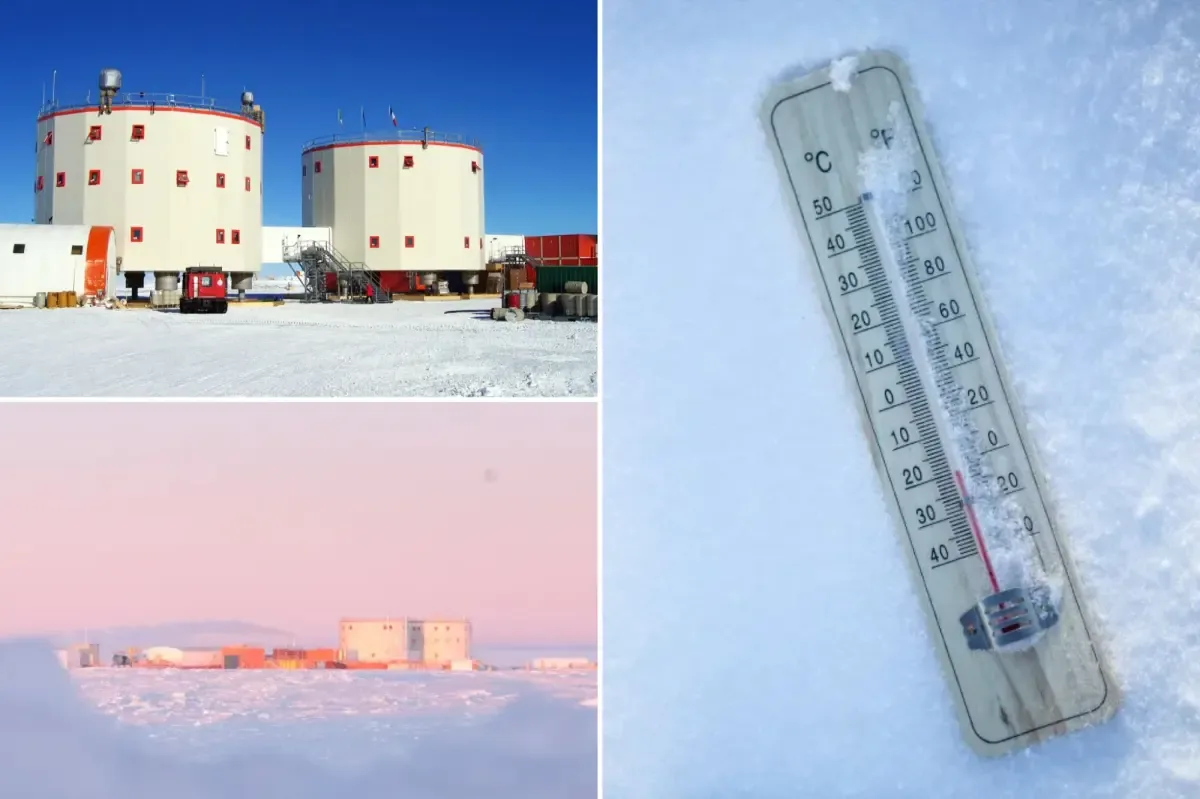
The Earth reached its lowest temperature in 14 years last month when Antarctica's Concordia research station registered a frigid –119.4°F (–84.1°C) on July 18. This extreme cold was recorded twice in the early morning hours at the remote station, marking the coldest temperature observed anywhere on Earth since 2012. These frigid readings occurred while the Northern Hemisphere experienced record-high temperatures and widespread wildfires.
Concordia, situated 600 miles from the coast at an elevation of 10,500 feet on an ice cap, routinely experiences winter temperatures below –112°F. However, the July low was still exceptionally cold. "During winter, there is no sunlight for months, the atmosphere is extremely dry and stable, and under clear skies, heat continuously escapes to space because there are no clouds, allowing temperatures to fall to extraordinary levels," explained Gabriele Carugati, the station leader for Italy’s National Antarctic Research Program. He emphasized that even at Concordia, where extreme cold is expected, temperatures below minus 84°C are remarkable and illustrate the variability of Antarctic weather.
Antarctic Isolation and Climate Context
The isolated location of Concordia makes it an ideal site for atmospheric and weather research. During the winter, travel by plane is impossible, and the nearest research facility, Vostok Station, is over 370 miles away. In fact, experts note that the research team at Concordia is technically more isolated than astronauts on the International Space Station, which orbits about 250 miles above Earth. The record for the coldest temperature at Concordia was previously set in 2010 at –120.5°F. The all-time lowest temperature ever recorded on Earth was –128.6°F, registered at Vostok Station in July 1983.
Satellite data suggests that temperatures in shallow depressions near the East Antarctic ice sheet peak could potentially drop even further, possibly reaching –144°F. Scientists believe these areas represent the coldest naturally achievable temperatures on the planet. These extreme cold events in Antarctica are unfolding as the Northern Hemisphere grapples with record-breaking heat. Even Antarctica itself is not immune to warming trends; last month, Argentina's Esperanza base on the Trinity Peninsula recorded its hottest-ever winter temperature at 59.7°F.
Researchers point to melting from below due to rising ocean heat as a significant threat to Antarctic ice shelves, potentially accelerating sea-level rise globally. These findings contrast with the recent record low temperatures. Carugati clarified that while climate change refers to long-term global trends, individual weather events can still exhibit exceptional cold. "Antarctica is influenced by complex atmospheric processes, so an extreme low temperature at one location does not contradict the broader picture of global warming," he stated. Recent extreme cold in Antarctica serves as a reminder of the complex and often counterintuitive ways the planet's climate is changing.