
Boeing Starliner Delays Threaten NASA's Space Access, Officials Say
Ongoing issues with Boeing's Starliner spacecraft are raising significant concerns for NASA, potentially jeopardizing the agency's future access to space and requiring extensive delays.

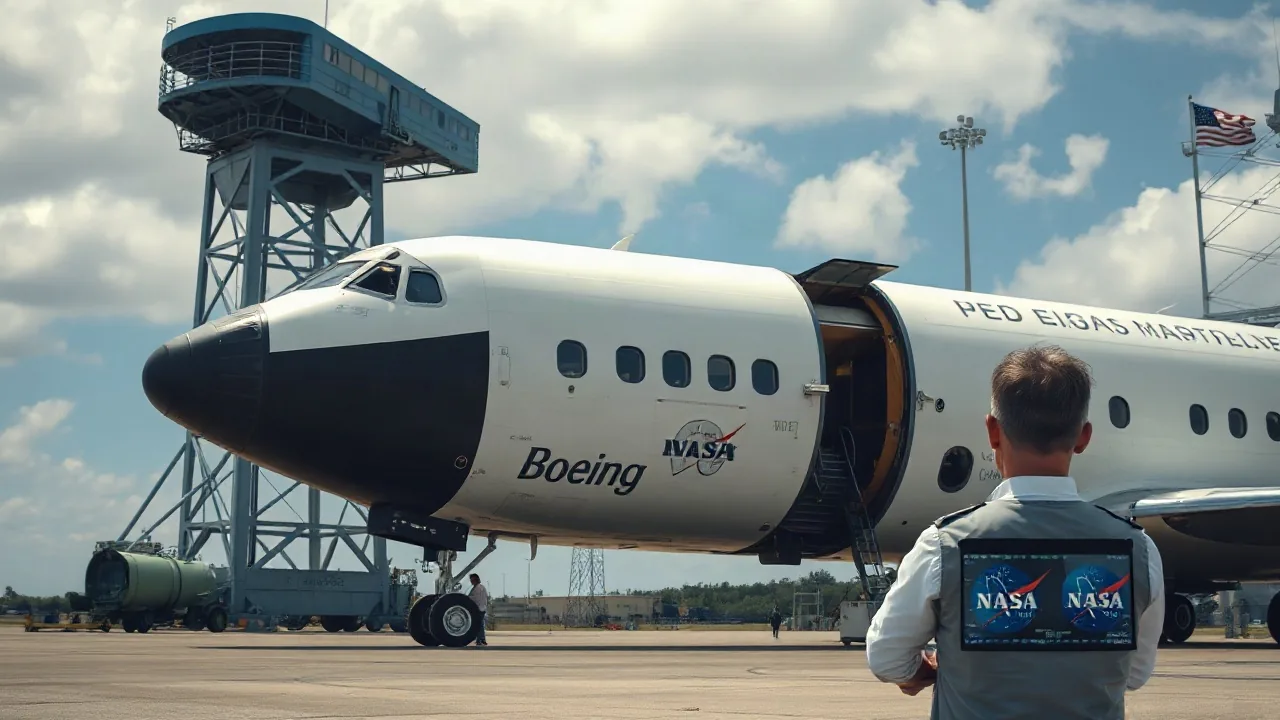
NASA is facing critical uncertainty regarding its future access to space due to persistent and severe problems plaguing Boeing's Starliner capsule. The spacecraft, intended to ferry astronauts to the International Space Station (ISS) as part of NASA's Commercial Crew Program, has been plagued by technical issues, leading to significant delays and forcing the space agency to re-evaluate its launch schedules and contingency plans.
The latest setbacks have pushed potential crewed missions into 2028 and may even necessitate a new rocket for future flights, according to recent statements from NASA officials. These developments cast a shadow over the reliability and timeline of a crucial component of the agency's human spaceflight capabilities. The Starliner program has been a source of frustration for both NASA and Boeing since its inception, with numerous test flights experiencing unexpected technical glitches.
Ongoing Technical Challenges and NASA's Response
Recent reports indicate that the Starliner program is grappling with a series of complex technical challenges that are proving difficult to resolve. These issues range from propulsion system anomalies to software glitches, each contributing to the prolonged development cycle. NASA has been working closely with Boeing to diagnose and rectify these problems, but the pace of resolution has been slow. The space agency has been forced to consider alternative strategies, including an unpiloted test flight slated for the end of the year, to gather more data and assess the spacecraft's readiness without risking crewed missions.
The impact of these delays extends beyond just the Starliner program itself. It puts immense pressure on the ISS, which relies on the Commercial Crew Program for regular crew rotations and cargo resupply. With fewer reliable options for transporting astronauts, NASA faces the risk of reduced operational capacity on the orbiting laboratory. This situation underscores the critical importance of having multiple, dependable launch systems for maintaining continuous human presence in low Earth orbit.
"The current situation with Starliner presents a significant challenge to our long-term spaceflight objectives," stated a senior NASA program manager, who requested anonymity due to the sensitive nature of the ongoing discussions. "We are committed to ensuring the safety of our astronauts above all else, which necessitates a thorough and rigorous testing process, even if it leads to extended timelines."
The Starliner's troubled history includes several high-profile failures and near-misses during its development and testing phases. In 2019, its first uncrewed orbital flight test (CFT) suffered software problems that prevented it from reaching the ISS. A subsequent crewed flight test in 2022 also encountered significant issues with its propulsion system, forcing an early return to Earth. These recurring problems have eroded confidence in the spacecraft's reliability and raised questions about Boeing's capacity to deliver on its contractual obligations to NASA.
The extensive delays and ongoing technical hurdles associated with the Boeing Starliner program raise serious questions about the future of commercial crewed spaceflight. NASA's reliance on private contractors for critical launch services, while intended to foster innovation and reduce costs, now appears to be a potential vulnerability. The agency is exploring all available options to mitigate the impact on its ISS operations and ensure the continuity of its human spaceflight program. This includes re-evaluating potential partnerships and strengthening oversight of its contractors. The overarching goal remains to provide safe and reliable access to space, a mission that is currently facing unprecedented obstacles due to the Starliner's persistent issues.