
July's Buck Moon Shines Bright Over Midsummer Skies
The July Buck Moon illuminated the midsummer night sky on July 30, 2026. This annual celestial event coincided with a conjunction of several planets, offering a spectacular view for skygazers.

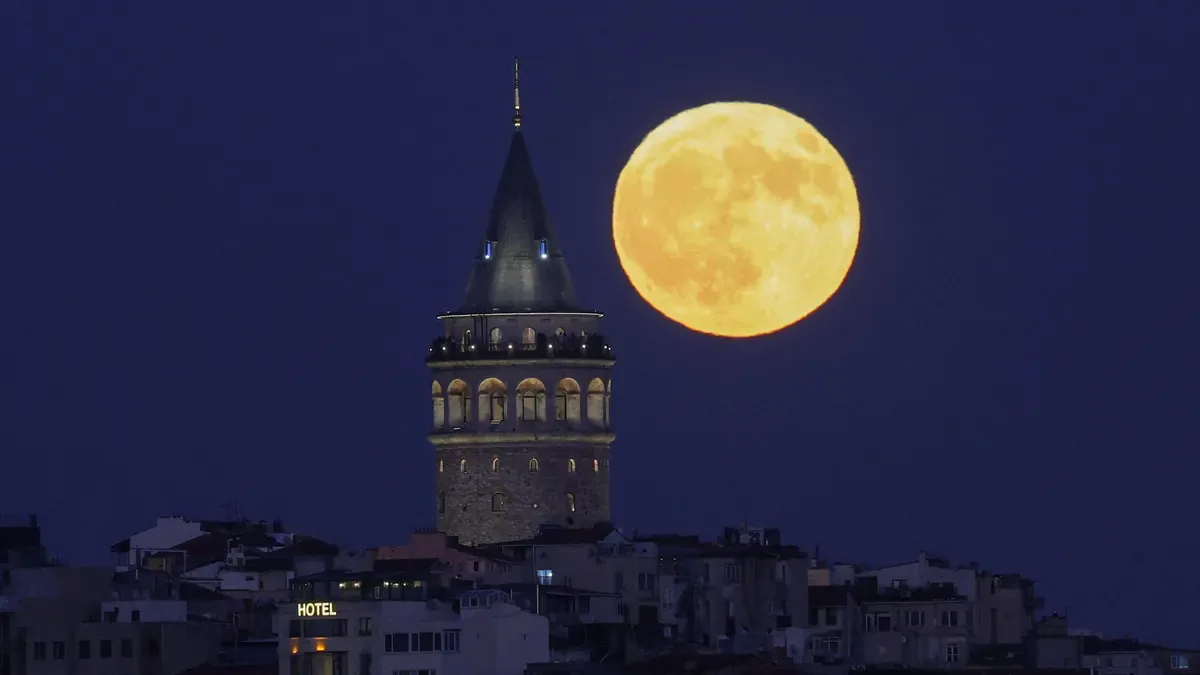
The full July Buck Moon reached its peak illumination on the night of July 30, 2026, gracing the midsummer skies with its brilliance. This much-anticipated lunar event, traditionally known as the Buck Moon, provided a stunning backdrop for a mini planetary parade, with several planets aligning for optimal viewing alongside the moon.
Skywatchers across the United States and around the globe were treated to the spectacle. The moon's rise coincided with the peak of summer in the Northern Hemisphere, adding a particular charm to the celestial display. This year's Buck Moon offered a particularly clear and bright presentation, drawing attention from amateur astronomers and casual observers alike.
A Look at the Origins and Significance of the Buck Moon
The name 'Buck Moon' originates from Native American traditions, specifically the Algonquin tribes, who observed that male deer, or bucks, begin to grow their new antlers in July. This naming convention highlights the deep connection between natural cycles and celestial events in indigenous cultures. The full moon in July has historically served as a marker for seasonal changes and agricultural activities.
This year's lunar event was made more exciting by the presence of several planets. While not a rare conjunction, the alignment of planets like Jupiter and Saturn with the prominent Buck Moon created a particularly engaging celestial panorama. Astronomers noted that the conditions for viewing were favorable, with many regions experiencing clear weather. The apparent proximity of these celestial bodies to the moon, though a trick of perspective, amplified the visual appeal of the night sky.
The phenomenon of the Buck Moon is a reminder of the consistent cycles of the Earth's orbit and its relationship with the Moon. Each full moon throughout the year carries a unique name and associated folklore, often tied to agricultural patterns or animal behaviors observed during that specific month. The July full moon, for instance, signaled the height of summer, a time of abundance and growth in nature.
Events like the Buck Moon serve as valuable opportunities for public engagement with astronomy. Organizations and amateur astronomy clubs often host viewing parties, providing telescopes and educational resources to the public. These gatherings not only allow people to witness celestial events up close but also foster a greater appreciation for space and science. The July 2026 Buck Moon continued this tradition, drawing crowds to parks and observatories for shared viewing experiences.
The visual splendor of the Buck Moon is amplified by its position in the sky relative to the observer. As a full moon, it appears opposite the sun, often rising around sunset and setting around sunrise. The specific timing and trajectory of the moon and planets across the sky on July 30th were closely tracked by enthusiasts. The USA Today and other outlets featured stunning photographs capturing the moon's ascent over various landscapes, from city skylines to rural horizons.
Beyond its aesthetic appeal, the study of lunar cycles and planetary movements continues to be a cornerstone of astronomical research. While the naming of moons like the Buck Moon is rooted in ancient observation, modern science uses these celestial events as points of reference for understanding orbital mechanics, gravitational influences, and even the potential for future space exploration. The ongoing fascination with the Buck Moon underscores humanity's enduring curiosity about the cosmos.