
Space Startup's 'Sunlight-as-a-Service' Test Alarms Astronomers
An unannounced test by a US space startup aiming to provide "sunlight-as-a-service" has drawn sharp criticism from astronomers. The demonstration, which involved illuminating Earth from orbit, has raised concerns about light pollution and potential disruptions.

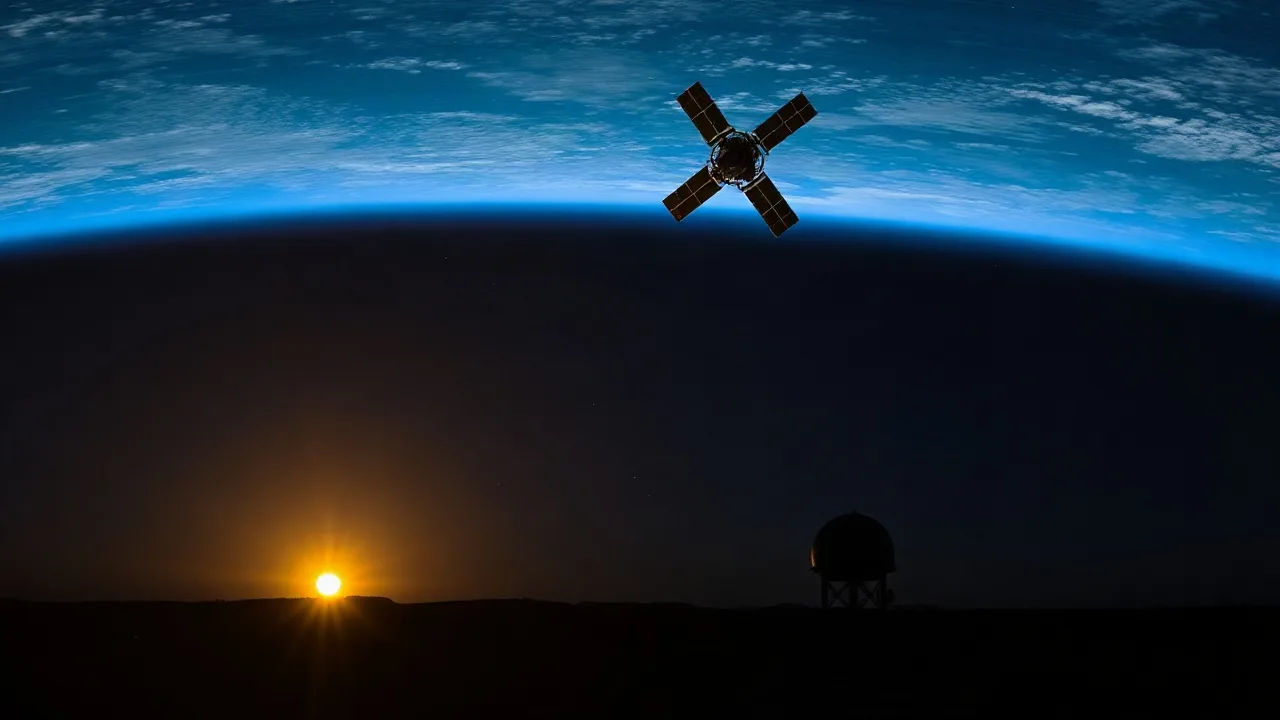
A controversial U.S. startup, identified as a "sunlight-as-a-service" provider, conducted an unannounced orbital test last week that has sent ripples of concern through the astronomical community. The demonstration involved a satellite intentionally reflecting sunlight towards Earth during nighttime hours, a move that blindsided many scientists and has sparked immediate backlash over potential impacts on ground-based observations and nocturnal ecosystems.
The company, whose name has not been widely disclosed in connection with this specific test, aims to revolutionize nighttime illumination by selling controlled bursts of sunlight beamed from orbit. This latest demonstration, however, occurred without prior notification to the scientific bodies that monitor the night sky. Astronomers expressed frustration and alarm, citing the potential for such artificial light sources to interfere with sensitive telescopes and obscure faint celestial objects crucial for research.
Concerns Over Light Pollution and Scientific Interference
The primary concern voiced by astronomers is the potential for increased light pollution. Even controlled reflections could scatter, creating an unpredictable and persistent glow in the night sky. This added brightness can overwhelm astronomical instruments, making it difficult or impossible to observe faint nebulae, distant galaxies, and other phenomena that require extremely dark conditions. Dr. Evelyn Reed, a senior astrophysicist at the Stellar Institute, stated, "This is precisely the kind of uncoordinated deployment we feared. Our ability to conduct fundamental research depends on maintaining the integrity of the night sky, and actions like these directly threaten that integrity."
Beyond scientific interference, there are also worries about the ecological impact. Many species rely on natural darkness for navigation, foraging, and reproduction. Introducing artificial sunlight, even for limited periods, could disrupt these delicate natural cycles. The company, however, has claimed its technology is designed to be highly controlled and minimal, with reflections precisely targeted. Yet, without transparency and independent oversight, these assurances are difficult to verify.
The incident highlights a growing tension between commercial space ventures and the scientific community. As more private companies launch satellites for various purposes, including those that interact with Earth's atmosphere and light, the need for clear regulations and communication protocols becomes increasingly urgent. Organizations like the International Astronomical Union have previously called for stricter guidelines on artificial light emissions from space-based assets. The unannounced nature of this test underscores the challenges in establishing and enforcing such standards.
This development comes at a time when the proliferation of satellite constellations, such as Starlink by SpaceX, has already raised concerns among astronomers about increased sky brightness and radio interference. This "sunlight-as-a-service" concept, while potentially offering novel applications, introduces a new dimension of complexity to the ongoing debate about responsible space utilization. The startup's demonstration serves as a stark reminder that the expansion of commercial activities in orbit must be balanced with the preservation of celestial observation and natural nocturnal environments.