
New Dinosaur Species Unearthed in England's Ancient Wetlands
Paleontologists have identified a new species of iguanodontian dinosaur, Paludohadros proudlovii, from fossils found in brickworks in Surrey, England. This herbivore lived in the region's wetlands around 125 million years ago.

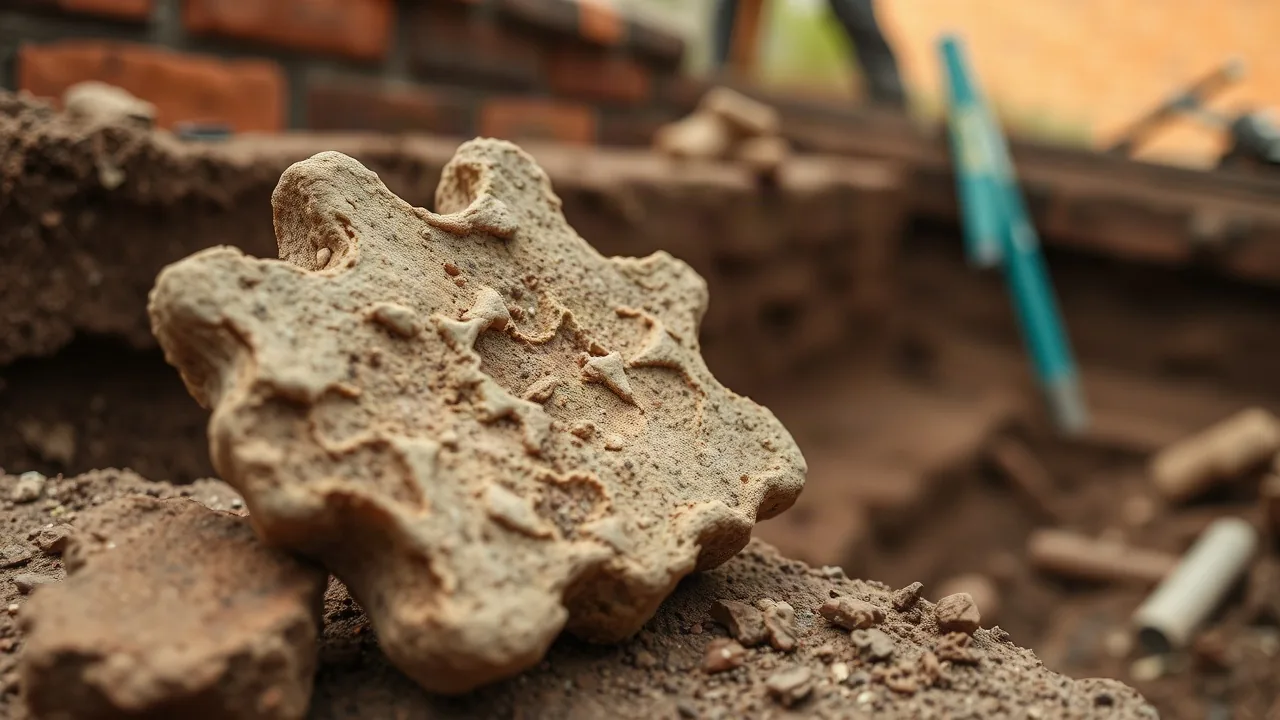
A new species of dinosaur, named Paludohadros proudlovii, has been identified by paleontologists based on fossilized remains discovered in brickworks in Surrey, England. This herbivorous dinosaur, an iguanodontian, inhabited the region's wetlands approximately 125 million years ago during the Early Cretaceous period. The scientific name honors Michael Proudlove, a devoted dad and husband and a dedicated volunteer at the Natural History Museum in London, whose family donated his extensive fossil collection to the museum.
The fossils, comprising partial skeletons including skull elements, vertebrae, and limb bones, were unearthed from deposits at the former Bramble Bottom brickworks. These findings are crucial for understanding the diversity of dinosaurs that populated Europe during the Mesozoic Era. Paludohadros proudlovii possessed distinctive anatomical features, notably a robust build and what is described as a 'spike-thumb', characteristic of iguanodontians, which likely aided in defense or foraging.
New Insights into Early Cretaceous Ecosystems
The discovery of Paludohadros proudlovii adds significant detail to our understanding of the ecosystems that existed in England during the Early Cretaceous. The presence of this new species suggests a more complex food web than previously understood for that period and location. Its habitat in wetland environments indicates that dinosaurs were well-adapted to diverse landscapes, from open plains to marshy areas. Researchers from the University of Portsmouth and the Natural History Museum were instrumental in analyzing the fossils, using advanced imaging techniques to study the bone structure and morphology.
Dr. David Norman, a leading paleontologist and one of the researchers involved, stated, "This discovery highlights the rich paleontological heritage still hidden within the United Kingdom. Each new find helps us piece together the puzzle of prehistoric life." The excavation and subsequent study were a collaborative effort, involving amateur fossil collectors, museum curators, and university researchers. The bones were initially recovered decades ago but have only recently been thoroughly examined and identified as a new species.
The geological context of the Bramble Bottom brickworks provides a window into the past, showing that this area was once a dynamic floodplain. The types of sediments found alongside the dinosaur fossils indicate a freshwater environment, likely a river delta, teeming with life. Other fossil evidence from the site includes plant remains, fish, and the bones of other small reptiles, painting a picture of a vibrant and diverse prehistoric ecosystem. The classification of Paludohadros proudlovii as an iguanodontian places it within a well-known group of herbivorous dinosaurs that were widespread across the globe during the Jurassic and Cretaceous periods. However, specific adaptations and variations within this group, as seen in Paludohadros proudlovii, are vital for understanding regional evolutionary pathways.
The scientific description of the new species was published in the journal 'Cretaceous Research'. This formal recognition allows for more targeted research into its evolutionary relationships and paleoecology. The specimen is now housed at the Natural History Museum, where it will be available for further study and public exhibition, offering a tangible connection to England's ancient past and the remarkable biodiversity of the dinosaur era.