
French Astronaut Sophie Adenot Conducts Historic Spacewalk Today
European Space Agency astronaut Sophie Adenot is set to become the first French woman to perform a spacewalk on August 18. She will join NASA astronaut Anil Menon for a 6.5-hour excursion outside the ISS.

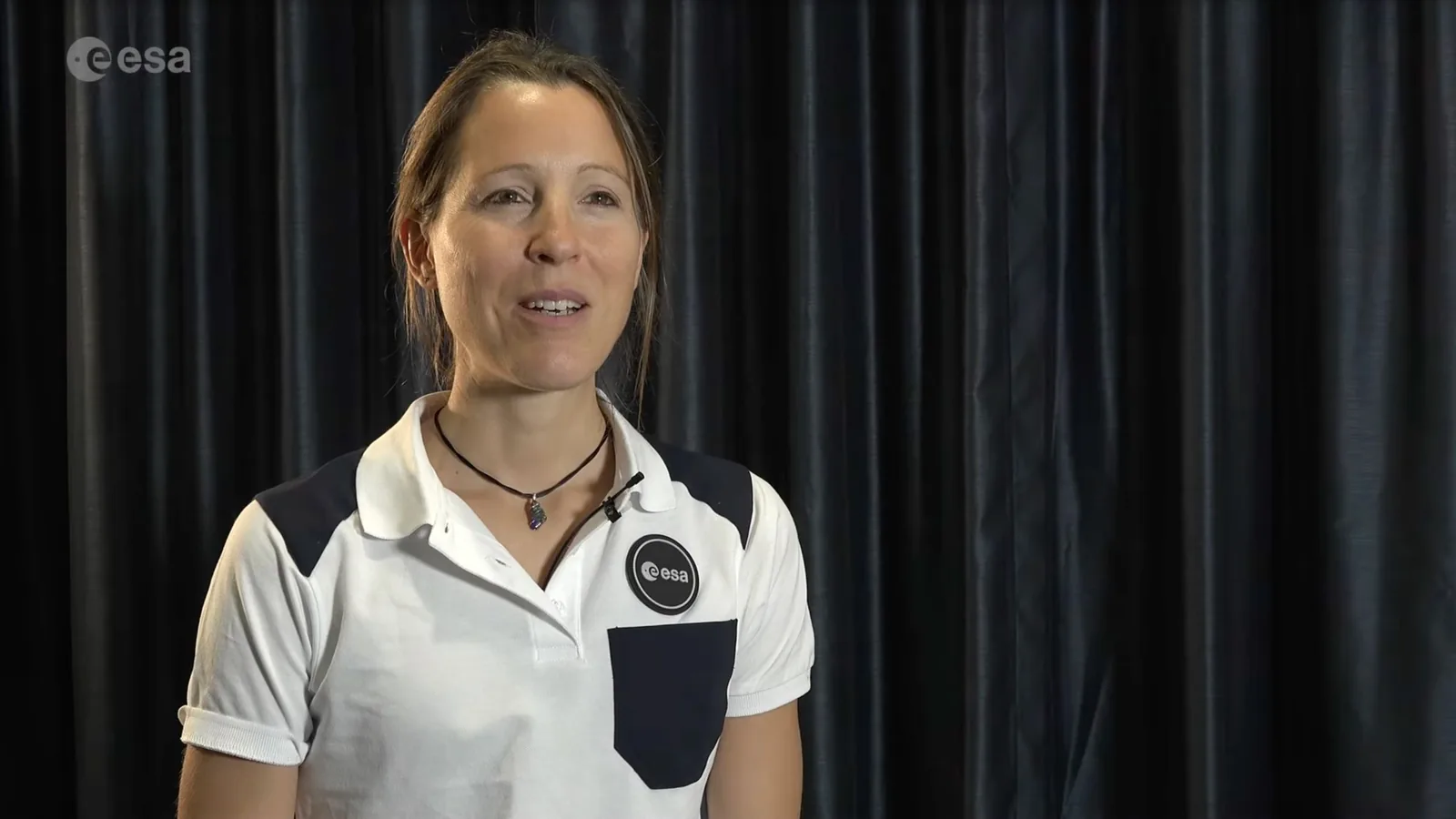
European Space Agency (ESA) astronaut Sophie Adenot is poised to make history on August 18, becoming the first French woman to undertake a spacewalk. She will join NASA astronaut Anil Menon for a significant excursion outside the International Space Station (ISS), scheduled to begin around 8:35 a.m. EDT (1235 GMT). The 6.5-hour mission will focus on replacing a critical space-to-ground antenna.
The antenna replacement is essential for maintaining high-speed data transmission between the Mission Control Center in Houston and the orbiting laboratory. NASA officials emphasized its role in enabling vital communications. This marks the second spacewalk for Anil Menon, whose first excursion on August 6 was slightly delayed due to an unexpected reading from a carbon dioxide sensor on his spacesuit. After troubleshooting, the sensor returned to normal, but NASA opted for caution, rescheduling Menon's subsequent spacewalks.
Mission Details and Astronaut Background
Today's spacewalk, designated the 282nd in the ISS's history, sees Adenot as "crewmember 2" and Menon as "crewmember 1." Adenot, part of the SpaceX Crew-12 mission, arrived at the ISS in February 2026. Menon reached the station on July 14 via a Russian Soyuz spacecraft. While Adenot achieves a personal and national milestone, the distinction of the first French person to perform a spacewalk belongs to Jean-Loup Chrétien, who conducted an EVA outside the Soviet Mir space station in 1988. Adenot's achievement highlights the growing role of women in space exploration and the international collaboration inherent in maintaining the ISS.
The spacewalk will be broadcast live, with coverage beginning at 7 a.m. EDT (1100 GMT), offering the public a direct view of this historic event. The careful planning and execution of such missions underscore the complex engineering and rigorous safety protocols required for human activities in the harsh environment of space. The ISS continues to serve as a vital platform for scientific research and technological advancement, pushing the boundaries of what is possible beyond Earth.