
Giant Prehistoric Crocodiles Dominated South American Megawetlands
Paleontologists revealed that massive prehistoric crocodiles like Purussaurus were apex predators in South America's Miocene megawetlands, using brutal hunting tactics on colossal prey.

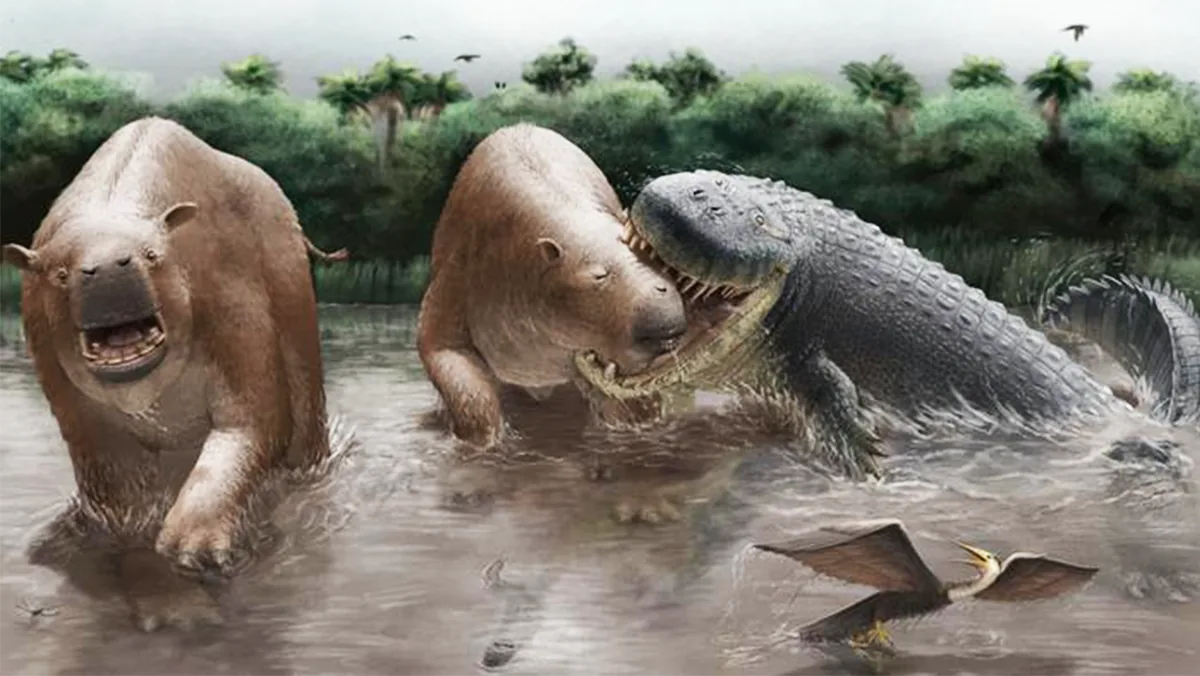
Approximately 10 million years ago, during the Middle Miocene epoch, South America's northwestern region was dominated by the vast Pebas megawetland system. This expansive freshwater environment, characterized by interconnected waterways, fostered an array of giant crocodylians that reigned as apex predators. A recent study, published in the Journal of Vertebrate Paleontology, highlights the dominant role these ancient reptiles played atop the food chain, based on fossil evidence analyzed by an international team of paleontologists from the University of Helsinki.
Ascending to the apex predator status was a significant achievement, given the intense competition present. The prehistoric landscape teemed with formidable rivals, including saber-toothed marsupials, human-sized flightless birds known as 'terror birds,' and immense anacondas, all vying for survival. However, the ecosystem offered an abundance of prey, ensuring enough sustenance for multiple large predators. "There was so much prey available that mammalian predators couldn’t have eaten it all," explained study author Oscar Wilson in a statement.
The prey itself was as colossal as the predators. Ancient South American megafauna, such as towering ground sloths and prehistoric relatives of rhinoceroses, formed the diet of these giant crocodylians. The researchers examined fossils belonging to species like Pericotoxodon platignathus, a rhino relative, alongside those of two extinct elephant-like species: Xenastrapotherium kraglievichi and Granastrapotherium snorki.
Evidence of Predation and Ecological Impact
Analysis of these megafauna fossils revealed distinctive markings consistent with crocodylian predation. Circular puncture wounds were predominantly found on the head, neck, and jaws of the prey animals. This pattern mirrors the hunting methods of modern crocodiles, which employ ambush tactics, dragging their victims underwater to secure a kill.
The only known crocodylian from that era with a bite force capable of inflicting such injuries was Purussaurus neivensis, a colossal caiman relative. This formidable reptile reached the length of a school bus, weighed close to two tons, and possessed a correspondingly immense appetite. "The frequency of marks likely made by Purussaurus suggests that it was an important predator in these tropical ecosystems," Wilson stated. The study posits that Purussaurus played a crucial ecological role, not only by controlling herbivore populations but also by providing scavenging opportunities for other species.
Longer-limbed, terrestrial crocodylians known as sebecids, which inhabited the same region, likely benefited from the kills made by Purussaurus. The researchers suggest these animals scavenged from the carcasses left behind. Considering the array of fearsome predators coexisting in the ancient Pebas system, the longevity of South American megafauna is a testament to the resilience of life in these prehistoric megawetlands.
The findings shed light on the complex predator-prey dynamics of the Miocene epoch and underscore the significant ecological impact of these giant crocodiles. Their dominance highlights a period where reptiles, rather than mammals, occupied the top tiers of many food chains across the globe. Further research into the fossil record of the Pebas system promises to reveal more about this unique ancient ecosystem and its inhabitants.