
NASA Aims for Permanent Moon Base with New Science Missions
NASA is advancing its Artemis program by selecting three new science investigations to support the development of a permanent lunar base. These missions will focus on finding water ice and potential sheltered locations for future astronauts.

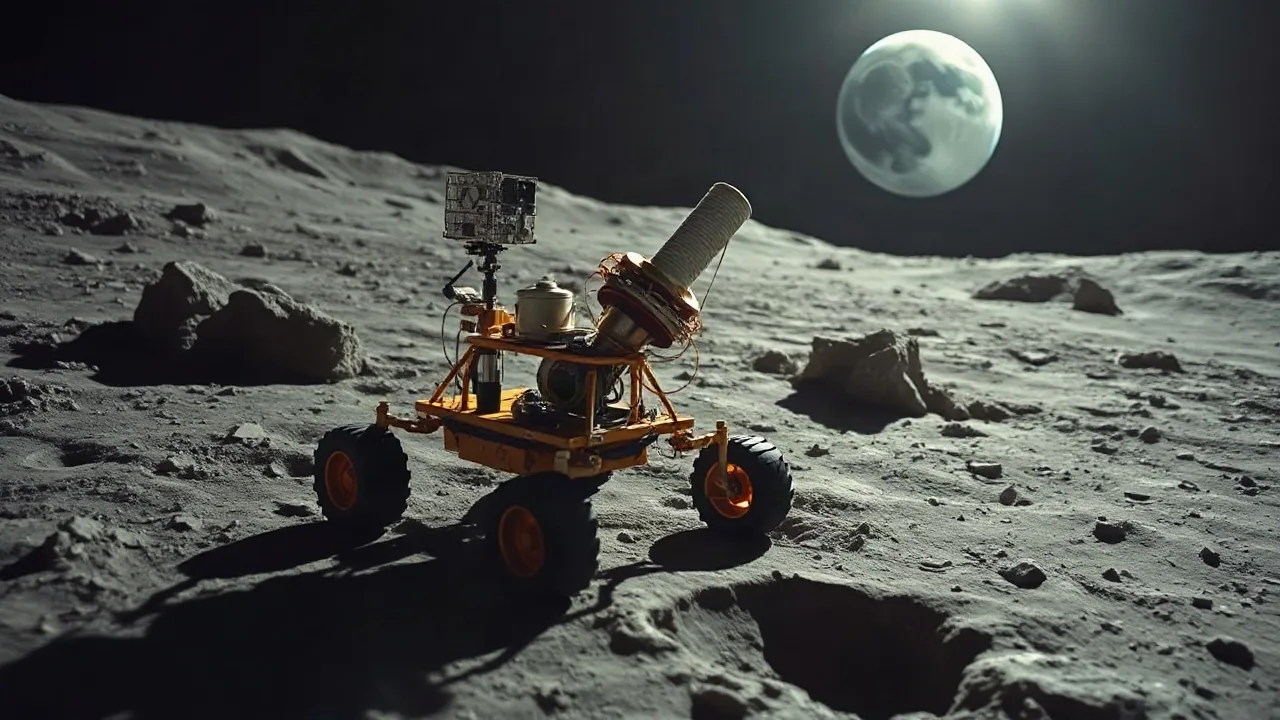
NASA is stepping up its commitment to establishing a permanent human presence on the Moon by selecting three new scientific investigations. These missions, slated to deploy in the coming years, will scout for crucial resources like water ice and identify potential sheltered locations, laying the groundwork for sustained lunar habitation. The announcement comes as part of the agency's broader Artemis program, which aims to return astronauts to the lunar surface and build infrastructure for long-term exploration.
The selected payloads will utilize a variety of instruments to analyze the lunar environment. One investigation will focus on detecting subsurface water ice, a critical resource for drinking water, oxygen production, and rocket fuel. Another will search for natural lava tubes or craters that could provide shelter from harsh lunar radiation and extreme temperature fluctuations. The third mission aims to further characterize the lunar regolith (soil) to assess its suitability for construction materials and other in-situ resource utilization (ISRU) applications.
Laying the Foundation for Lunar Settlement
Establishing a permanent base on the Moon presents a monumental engineering and scientific challenge. Unlike the Apollo missions, which were short-term sorties, sustained lunar operations require reliable access to resources and protection from the unforgiving lunar environment. Water ice, if found in sufficient quantities, could significantly reduce the cost and complexity of long-duration missions by providing a local source for life support and propellant. Similarly, finding naturally shielded locations would offer a more immediate and cost-effective alternative to constructing heavily fortified habitats.
NASA’s strategic focus on these foundational elements underscores a shift towards a more sustainable model of space exploration. By leveraging the Moon as a proving ground, the agency seeks to develop and test the technologies and operational strategies necessary for eventual human missions to Mars. This approach not only accelerates scientific discovery but also fosters the growth of a future lunar economy, potentially involving commercial partners and international collaborations. The insights gained from these new investigations are expected to directly inform the design and deployment of future habitats and infrastructure.
The selections represent a crucial step in translating ambitious lunar settlement goals into tangible progress. Each investigation is designed to provide actionable data that will guide engineers and planners in making critical decisions about where and how to build the initial phases of a permanent base. The agency is working closely with commercial partners, such as those involved in the Commercial Lunar Payload Services (CLPS) initiative, to expedite the delivery of these scientific instruments to the lunar surface. This collaborative approach aims to increase the pace of lunar exploration and research, bringing the vision of a lasting human presence on the Moon closer to reality.