
NASA's Artemis 3 Mission: Complex Earth Orbit Test Flights Ahead
NASA's Artemis 3 mission, originally slated for a lunar landing, will now focus on complex Earth orbit rendezvous and docking tests. This mission is a crucial step for future moon missions.

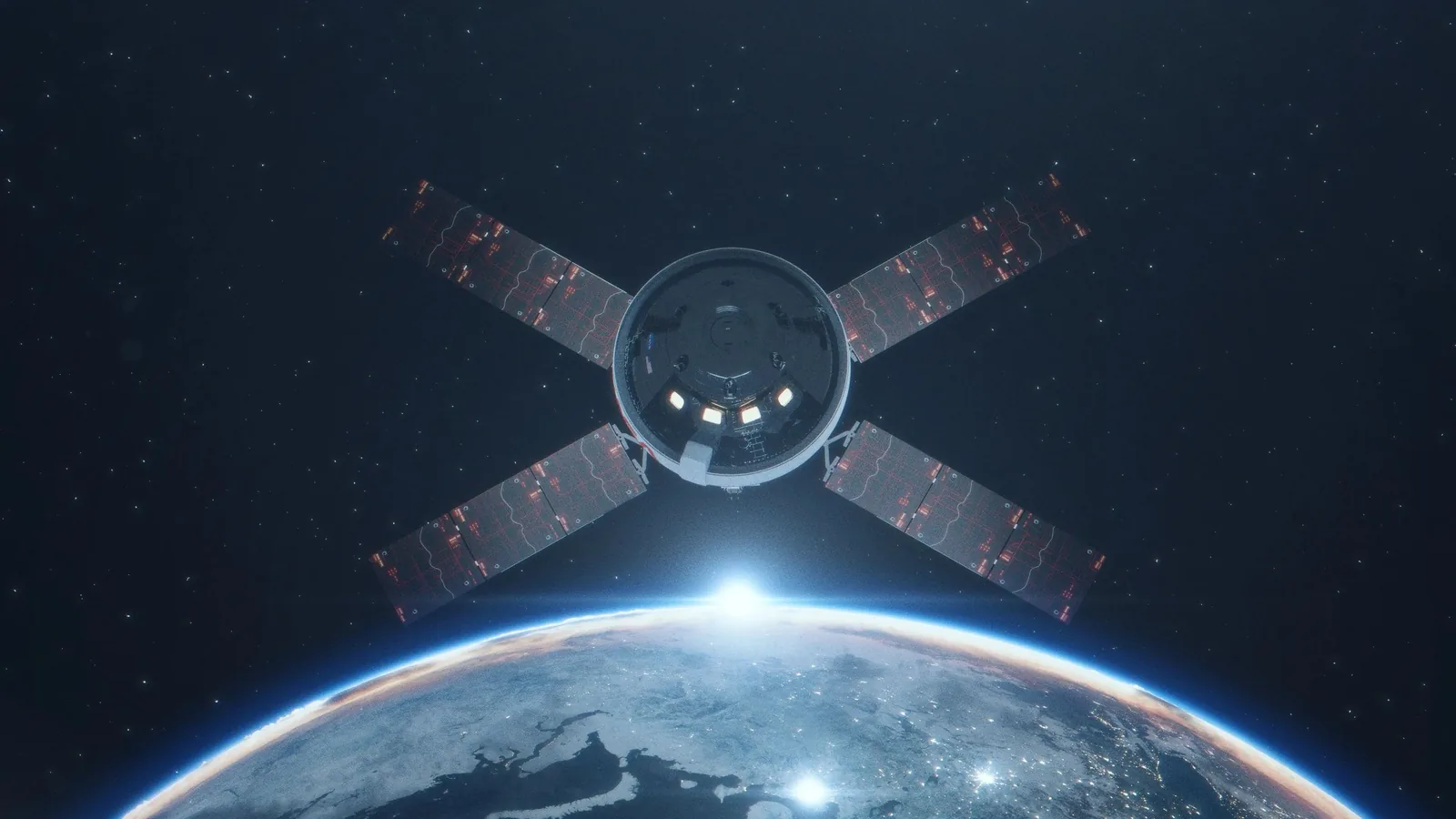
NASA is revamping its ambitious Artemis program, revealing new details about the upcoming Artemis 3 mission. Instead of a direct lunar landing, the mission will now serve as a critical testbed for complex rendezvous and docking operations in Earth orbit. This strategic shift, announced on Wednesday, May 13, aims to refine crucial procedures before astronauts return to the Moon.
"While this is a mission to Earth orbit, it is an important stepping stone to successfully landing on the moon with Artemis 4," stated Jeremy Parsons, Moon to Mars acting assistant deputy administrator at NASA’s Exploration Systems Development Mission Directorate in Washington, D.C. "Artemis 3 is one of the most highly complex missions NASA has undertaken."
The revised Artemis 3 plan will see four astronauts launch aboard NASA's Space Launch System (SLS) rocket, traveling to orbit in the Orion spacecraft. The primary objective will be to practice docking with one or more privately developed lunar landers, specifically SpaceX's Starship and Blue Origin's Blue Moon, which are slated for future lunar missions. This maneuver represents a significant departure from the initial plan that would have seen astronauts land near the Moon's south pole.
Preparing for Lunar Operations
This orbital rehearsal will allow astronauts to spend extended periods aboard the Orion spacecraft, evaluating life support systems more thoroughly than during the recent Artemis 2 mission, which lasted approximately 10 days. The exact duration of Artemis 3 has not yet been specified. Notably, the SLS rocket for Artemis 3 will feature a dummy "spacer" in place of its functional upper stage, the interim cryogenic propulsion stage (ICPS). This change acknowledges that the mission will not require the ICPS to propel Orion toward the Moon.
Instead, the European-built service module of the Orion spacecraft will provide the necessary propulsion for maneuvering within low Earth orbit. This orbital configuration is intended to increase overall mission success by offering greater flexibility for launch windows for all participating elements, including the SLS rocket, the Starship lander pathfinder, and the Blue Moon Mark 2 lander pathfinder. NASA officials confirmed that the mission will operate in low Earth orbit, a detail previously assumed but not explicitly stated.
Further advancements for Artemis 3 include the integration of a new, upgraded Orion heat shield. Additionally, astronauts may have the opportunity to enter at least one of the lander test articles during the mission, providing valuable hands-on experience. The specific lander, whether Starship or Blue Moon, that will be utilized for these tests remains undecided. Many critical mission details, such as the final astronaut crew selection, planned scientific experiments, and testing protocols for new Artemis spacesuits being developed by Axiom Space, are still being finalized.
NASA is actively seeking industry input to enhance communication systems for the mission, as the standard Deep Space Network will not be employed. This focus on refining operational procedures and testing hardware in a controlled environment underscores the agency's commitment to a safe and successful return of humans to the lunar surface. The complexities of Artemis 3 highlight the intricate planning and technological development required for NASA's broader lunar exploration objectives, setting the stage for future crewed missions, including the eventual landing planned for Artemis 4.